

Why Oman is Capturing Gen Z's Attention
For a generation that prioritises authentic experiences and off-the-beaten-path destinations, Oman presents a perfect mix of accessibility, safety, and raw natural beauty. Unlike some of its glitzier neighbours, Oman offers a more grounded sense of Arabian
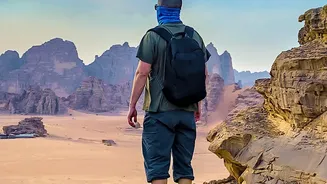
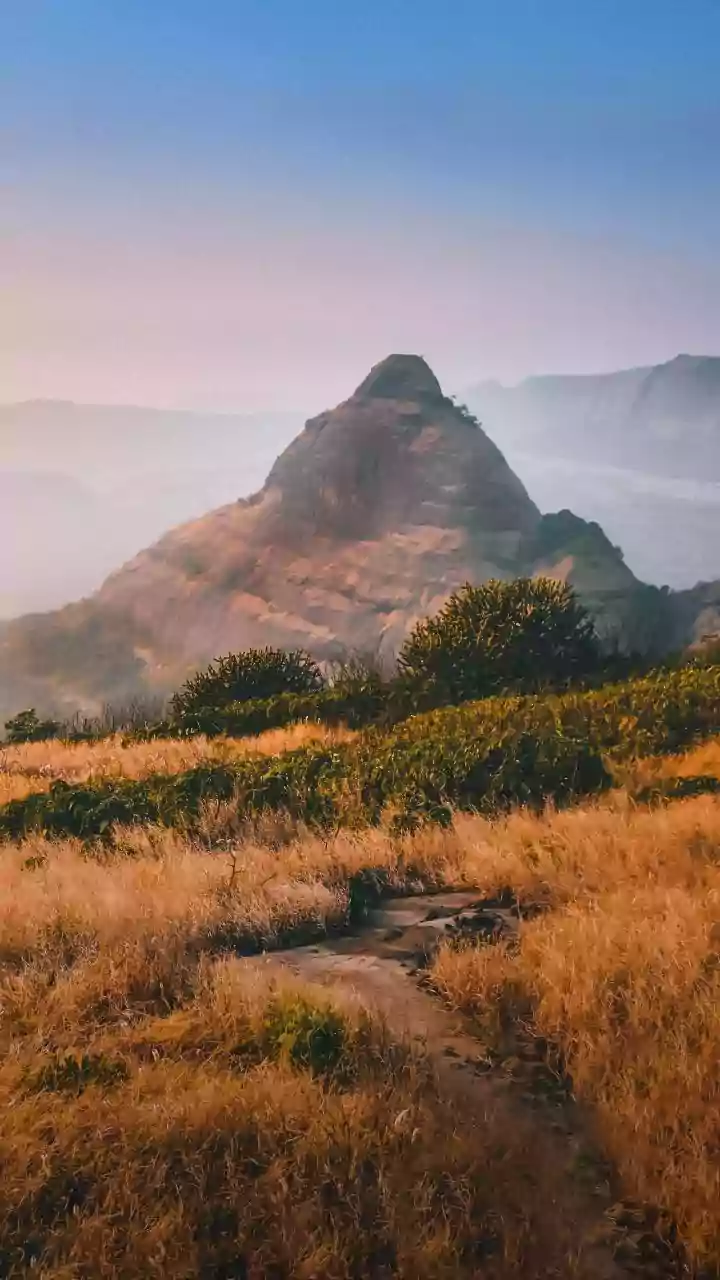
culture. It's a place where stunning natural landscapes—from vast deserts and dramatic mountains to turquoise wadis (riverbeds)—are the main attraction. Gen Z travellers, known for being digitally connected yet seeking disconnection, find appeal in the serene emptiness of the Omani desert. The country's reputation for safety and a welcoming atmosphere further lowers the barrier for young explorers, including solo female travellers, looking for adventure without unnecessary risk.
The Freedom of the Open Desert
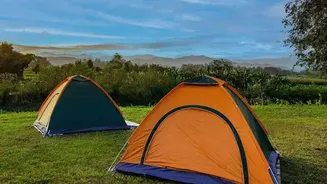
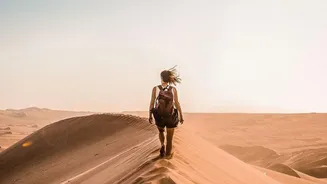
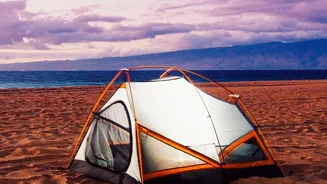
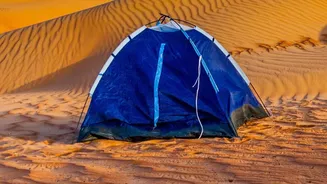
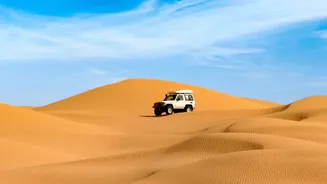
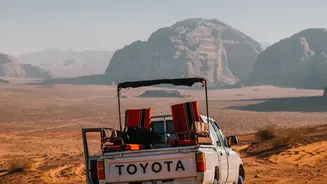
The core of this travel trend lies in one liberating fact: wild camping in Oman is not only possible but widely accepted and legal on most public lands. This cultural norm allows travellers to experience the country’s prized natural assets, like the iconic Wahiba Sands (also known as Sharqiyah Sands), in the most immersive way possible. For the cost of renting a vehicle and buying supplies, visitors can have a million-star hotel room under an unpolluted night sky. The experience is less about roughing it and more about freedom—the ability to drive into the dunes, find a secluded spot, and witness a desert sunrise in total silence. This DIY approach to accommodation is the ultimate budget hack, allowing funds to be redirected towards experiences like dune bashing or renting a 4WD, which is essential for safely navigating the sands.
Cracking the Budget Code
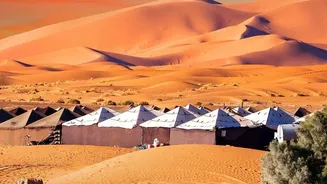
The perception of the Gulf as an expensive destination is being challenged by these resourceful travellers. The journey often begins with booking flights on budget-friendly airlines that connect major Indian cities to Muscat. From there, the cost savings snowball. Renting a 4WD, while an initial expense, often becomes more economical than a combination of hotel stays and guided tours, especially for a small group. Groceries and camping gear can be affordably purchased at hypermarkets like Lulu in Muscat. While organised desert camps are an option, with prices ranging from around 20 OMR for a basic setup to over 100 OMR for luxury glamping, the free alternative of wild camping is what makes the trip truly accessible for those on a tight budget. By cooking their own meals over a campfire and sleeping in tents, travellers can explore Oman for a fraction of the traditional cost.
Beyond the Dunes
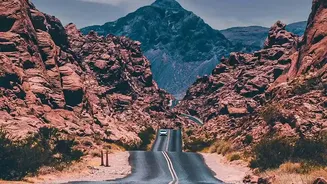
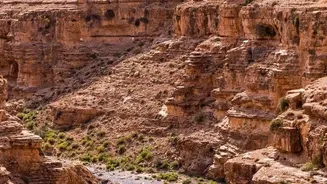
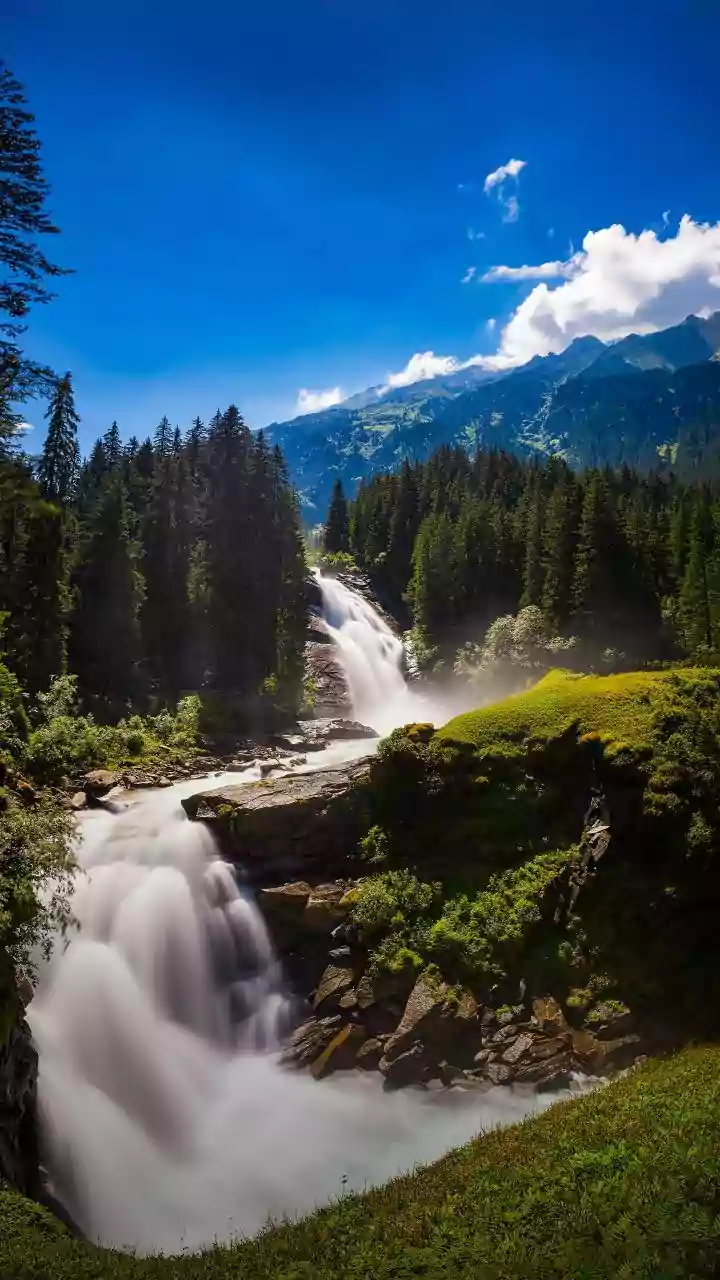
While the desert is the main draw, the appeal of an Omani road trip is its sheer diversity. The same trip can include a swim in the emerald pools of Wadi Shab or Wadi Bani Khalid, a hike in the cool air of the Jebel Shams mountains (Oman's 'Grand Canyon'), and a visit to the historic forts and bustling souqs of cities like Nizwa and Muscat. This variety allows travellers to craft a dynamic itinerary that blends adventure with culture. The country’s excellent road infrastructure and the ease of self-driving make it possible to move between these distinct environments seamlessly. A morning swim in a wadi can be followed by an afternoon drive into the desert, culminating in a night spent camping under the stars, offering a packed and memorable travel experience.