





The Coach Is Your Guide
The single most important element of any group fitness class is the instructor. A great coach does more than just call out exercises; they create a motivating and safe environment. Before or during your trial class, observe the instructor's style. A good
coach is a clear communicator, explaining not just what to do, but why you're doing it. They should have a solid understanding of body mechanics and be able to demonstrate exercises with proper form. Look for an instructor who is attentive to the whole class, not just the front row. They should make an effort to connect with participants, learn names, and show genuine interest in helping everyone succeed. Don't be shy about introducing yourself before class begins. Letting the instructor know you're new and mentioning any past injuries or concerns allows them to offer support and keep an eye on you. An instructor who is approachable and encouraging is a huge green flag.
Modifications Are A Strength, Not A Weakness
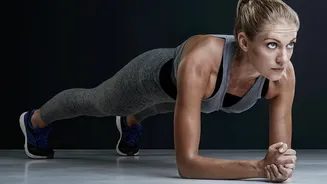
The availability of exercise modifications is a sign of a well-designed, inclusive class. Modifications are not about taking the easy way out; they are about making the workout effective and safe for your current fitness level and body. Every person enters a class with a different background, from seasoned athletes to complete beginners. A good class accommodates this by offering options. For example, an instructor might suggest walking instead of running, performing a push-up on your knees, or using a lighter weight. This adaptability prevents injury and allows you to master proper form before advancing. If you don't feel an exercise working the intended muscles or if you feel pain, it's a sign you need a tweak. A quality instructor will proactively offer these options without making anyone feel singled out. This approach ensures you can challenge yourself appropriately and build a strong foundation for future progress.
Finding the Right Crowd Size
Class size can dramatically shape your experience, and the ideal number often depends on your personal preference. Larger classes can offer incredible energy and a powerful sense of community, which many people find highly motivating. However, they can sometimes feel crowded, making it hard to find space or get the equipment you need. In a very large class, it's also more difficult to get personalized attention from the instructor. Smaller classes, on the other hand, provide a more intimate setting. This allows for more direct coaching, feedback on your form, and a better chance to ask questions. Research suggests that satisfaction with the instructor tends to decrease as class size increases because that personal connection is harder to build. For beginners, a smaller class might be beneficial for learning the ropes in a less intimidating environment. Consider what kind of atmosphere helps you thrive: the electric buzz of a big group or the focused guidance of a smaller one.
Your Pre-Class Checklist
Before you commit, do a little homework. Most studios describe their classes online, which can help you find a workout you’ll actually enjoy. Trying a class with a friend can also make the experience less intimidating and more fun. When you arrive for your trial, position yourself in the middle of the room. This allows you to see the instructor clearly while also having experienced participants in front of you to observe. Pay attention to the overall environment: Is the equipment clean and well-maintained? Is there enough space to move safely without colliding with others? Finally, trust your gut. The goal of a trial class is not just to get a good workout, but to see if the environment is a place where you feel supported, comfortable, and motivated to return. If you don't love it the first time, consider trying it again or checking out a different instructor, as each brings a unique personality to their class.