






Beyond the Familiar Menu
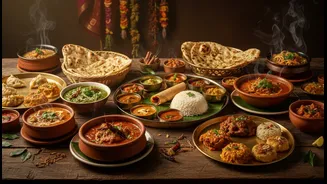
A significant shift is underway in India's dining scene. The era of one-size-fits-all Indian menus, heavily dominated by popular Punjabi and Mughlai dishes, is giving way to a more nuanced and exciting culinary landscape. Diners are increasingly looking
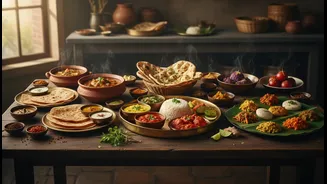
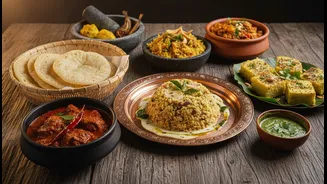
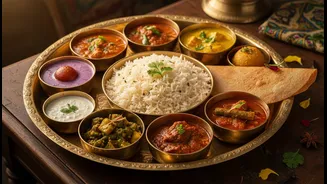
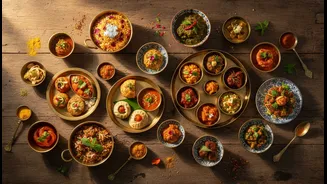
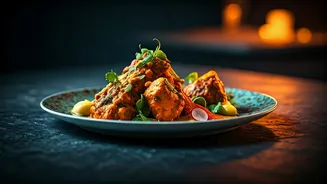
beyond the usual suspects, driven by a desire for authenticity and new experiences. This has spurred a movement where restaurants are becoming proud ambassadors of India's vast and varied culinary heritage, showcasing dishes that were once confined to home kitchens or specific regions. The generic 'Indian' restaurant is being replaced by specialists, inviting patrons to journey through the country's diverse flavours plate by plate.
Chefs as Culinary Custodians
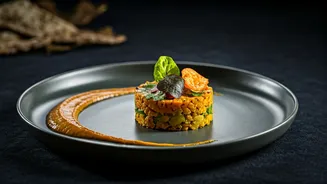
At the heart of this transformation are chefs who have taken on the roles of culinary historians and archivists. They are travelling to remote villages, consulting with community elders, and delving into historical texts to unearth recipes and cooking techniques that have been lost or neglected over time. This isn't about fusion or reinterpretation in the traditional sense; it's about preservation and revival. Chefs like Vanika Choudhary of Noon in Mumbai and Aditya Bal have become known for their dedication to showcasing indigenous ingredients and forgotten dishes. This movement aims not to create museum pieces, but to reintroduce these flavours to a new generation of diners, ensuring their continuity.
The Rise of the Hyper-Local
This new wave is characterized by a focus on hyper-local and micro-regional cuisines. Restaurants are curating menus that tell the story of a specific place, its geography, and its people. In cities like Delhi and Mumbai, you can find restaurants dedicated to the distinct cuisines of Bihar, such as Potbelly, or the coastal flavours of Kerala at places like Kappa Chakka Kandhari. This specificity is a response to a more informed and curious diner. The focus on hyper-local sourcing not only provides fresh, seasonal ingredients but also supports local farmers and producers, creating a more sustainable food ecosystem. This trend celebrates the idea that Indian food is not a monolith but a vibrant mosaic of countless culinary traditions.
A Hunger for Authenticity
What's driving this change? A confluence of factors is at play. Increased domestic travel, the influence of social media, and a growing sense of cultural pride have made Indians more eager to explore their own culinary backyard. Diners today are more adventurous, and industry insights suggest a significant percentage are actively seeking out regional cuisines. They want to know the story behind their food—which valley a particular grain comes from or the history of a specific spice blend. This shift is also a pushback against the homogenisation of food, a desire to connect with roots and experience something genuine. This hunger for authenticity has created a fertile ground for restaurants that offer not just a meal, but a rich culinary narrative.