





So, What Exactly Is Japandi?
Japandi is a design portmanteau, elegantly fusing ‘Japanese’ and ‘Scandinavian’ aesthetics into a single, cohesive style. At first glance, the two might seem like distant cousins—one rooted in the ancient Japanese philosophy of wabi-sabi (finding beauty
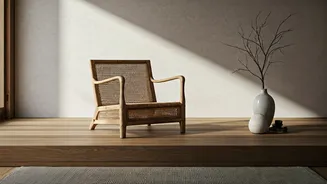
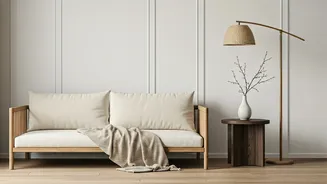
in imperfection) and the other in the cozy Nordic concept of hygge (a sense of comfortable contentment). Yet, they share a profound common ground: a deep appreciation for minimalism, functionality, and natural materials. Japandi takes the best of both worlds. From Japan, it borrows its sleek lines, refined elegance, and a calming, uncluttered ethos. From Scandinavia, it inherits a sense of warmth, rustic comfort, and a palette of soft, muted tones. The result is a space that feels simultaneously modern and timeless, spare but soulful, and intentionally crafted for peace and living.
The Japanese Influence: Wabi-Sabi and Function
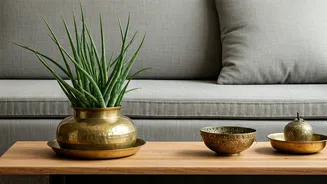
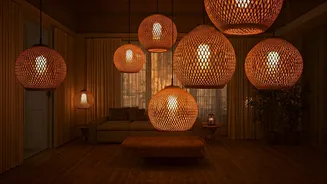
The Japanese side of the equation is grounded in principles that have been refined for centuries. It’s about more than just a clean look; it's about intentionality. This influence brings a focus on craftsmanship and the beauty of natural, imperfect materials like bamboo, paper, and dark-stained woods. The wabi-sabi philosophy encourages embracing asymmetry and the marks of time, seeing value in a handcrafted ceramic bowl that isn't perfectly round or a wooden table that shows its grain. Functionality is paramount; every object in a Japandi space has a purpose. There is no room for clutter or purely decorative flourishes that serve no role. This leads to organized, thoughtful spaces where you can move and breathe freely, creating a sense of tranquility.
The Scandinavian Influence: Hygge and Comfort
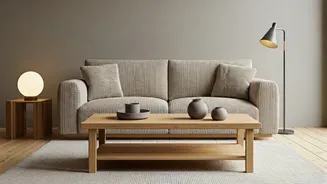
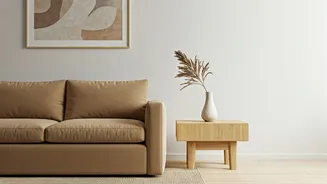
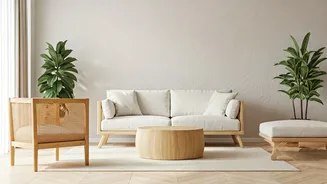
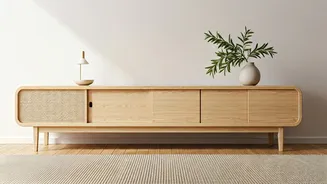
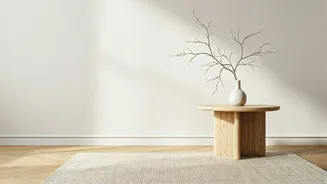
While Japanese minimalism can sometimes feel stark to a Western eye, the Scandinavian influence is what makes Japandi so inviting. This is where the 'hygge' comes in. Scandi design introduces a layer of softness and warmth, preventing the minimalist aesthetic from feeling cold or clinical. Think plush wool throws, shearling cushions, and soft, natural fiber rugs layered over light wood floors. The color palette also leans into this cozy feeling, incorporating shades of cream, beige, oatmeal, and soft gray. Light-toned woods like oak, maple, and ash are common, brightening the space and reflecting natural light—a precious commodity in Nordic winters. This focus on comfort and livability is the perfect counterbalance to Japanese formalism.
Why This Hybrid Style Is So Popular
The viral appeal of Japandi isn't just about aesthetics; it’s about how it makes us feel. In a world of overstimulation and constant noise, the home has become a sanctuary. Japandi offers a blueprint for creating a space that is calming, intentional, and connected to nature. It rejects the disposable culture of fast furniture, instead championing well-made, durable pieces that last a lifetime. This emphasis on sustainability and mindful consumption resonates deeply with modern values. The style is also incredibly versatile. By balancing the sleek elegance of Japanese design with the rustic coziness of Scandinavian style, it creates a look that isn't tied to a specific region but feels universally appealing and deeply personal.
How to Bring Japandi Into Your Home
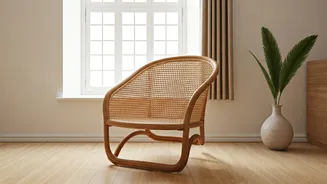
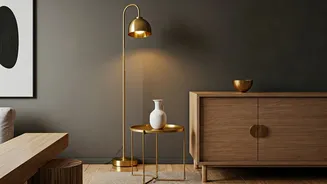
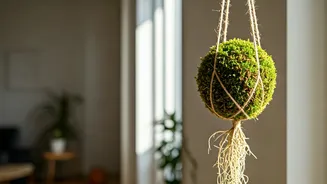
Adopting the Japandi look doesn't require a complete overhaul. Start with the principle of decluttering: remove items that don't serve a purpose or bring you joy. Next, focus on natural materials. Mix light woods (like an oak coffee table) with darker accents (like a black-framed artwork or a dark ceramic vase). Introduce texture through linen curtains, wool blankets, and rattan or jute accessories. Stick to a neutral, earthy color palette, but don’t be afraid to use contrast. A pop of black or a deep, moody green can ground the space. Finally, prioritize quality over quantity. Invest in one well-made piece of furniture rather than several cheaper ones. The goal is to curate a space that feels personal, peaceful, and perfectly balanced.