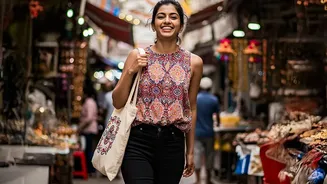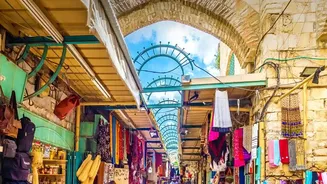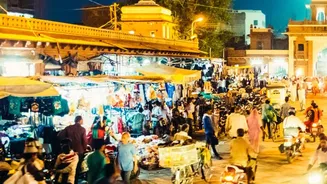






In the clash between the air-conditioned predictability of the mall and the vibrant chaos of the local bazaar, a quiet rebellion is brewing. For a growing number of young, urban Indians, fulfillment is no longer found in branded bags and food courts.
The Quest for Authenticity
The modern shopping mall, once the pinnacle of weekend aspirations, offers a landscape of comforting uniformity. The same global brands, the same food chains, the same polished floors—from Mumbai to Delhi, the experience is largely interchangeable. While this has its conveniences, many younger consumers, particularly Millennials and Gen Z, are now seeking something more. They are chasing authenticity. Neighbourhood markets, with their eclectic mix of handcrafted goods, artisanal foods, and one-of-a-kind finds, offer a direct antidote to mass production. The joy comes from discovering a product with a story, something that feels unique and personal rather than plucked from a global supply chain. This desire reflects a broader cultural shift where value is increasingly placed on experiences and individuality over homogenous consumerism.
More Than a Transaction, It's a Connection
One of the most significant drawbacks of the mall experience is its anonymity. Transactions are swift, often automated, and largely impersonal. In contrast, local markets thrive on human connection. Shoppers can speak directly with the artisans, farmers, and small business owners behind the products. They learn about the craft, the origin of the ingredients, or the story of the business. This interaction transforms a simple purchase into a meaningful exchange. For a generation that values community and purpose, this connection is a powerful draw. It fosters a sense of belonging and allows consumers to feel that their spending has a direct, positive impact on an individual's livelihood, strengthening the local economy.
An Experience for All Senses
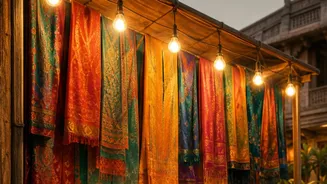
While malls have evolved to become lifestyle centres with cinemas and entertainment zones, their core experience remains primarily visual and transactional. Local markets, however, are inherently multi-sensory. They are a feast of sights, sounds, smells, and tastes. The sizzle of street food, the chatter of bargaining, the vibrant colours of fresh produce and textiles, and often live music create a rich, immersive atmosphere. A trip to the market is not just an errand; it is an outing. This aligns perfectly with the 'experience economy' trend, where consumers, especially younger ones, prioritize spending on activities and memories rather than just material goods. The market offers an affordable, engaging, and culturally rich experience that a mall struggles to replicate.
The 'Support Local' Ethos
There is a growing consciousness among young urbanites about the social and economic impact of their consumption choices. The 'shop local' movement is no longer a niche concept; it has become a mainstream value. Consumers are more aware of the challenges faced by small entrepreneurs and local artisans in a market dominated by large corporations. By choosing to shop at neighbourhood markets, they are making a deliberate statement. They are investing in their own communities, supporting sustainable practices, and helping preserve traditional crafts and skills. This conscious consumerism provides a deep sense of fulfillment that goes beyond the product itself. Malls, even those that host pop-ups for local brands, are often perceived as representing a more corporate, less community-focused model of commerce.
A Socially Shareable World
In the age of social media, aesthetics matter. The visual appeal of local markets—with their rustic charm, colourful displays, and candid moments—makes for compelling content on platforms like Instagram. Gen Z and millennials are drawn to environments that are not just functional but also 'gram-worthy'. A quirky handicraft, a beautifully plated street-food dish, or a candid shot amidst the bustling crowd tells a more interesting story online than a selfie in a generic store. This digital-first mindset means that the unique, photogenic nature of a flea market or a farmers' market gives it a distinct advantage. It becomes a destination not just for shopping, but for creating and sharing a slice of life that feels authentic and interesting.