






The Festive Sticker Shock
From Dussehra to Diwali, festive preparations are in full swing, but so is inflation. While overall retail inflation climbed to 5.54% in September 2026, food inflation has been a particular pain point for households. This price pinch is acutely felt in the
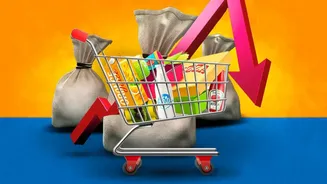
grocery aisle, where the costs of foundational ingredients for festive sweets and savouries have surged. A recent survey found that urban India's total festive spending is expected to decline by 6% in 2026, as families tighten their belts in the face of rising living costs. The value of the shopping cart is shrinking not because people are buying less, but because they are paying more for the same essentials.
Unpacking the Dairy Dilemma
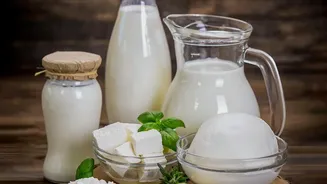
Milk, ghee, butter, and paneer are the heart of countless festive delicacies, but their prices have been under relentless upward pressure. A key driver is the soaring cost of cattle feed and fodder, which account for up to 70% of milk production expenses. In some regions, fodder prices have nearly tripled. Compounding this are climate-related stresses; intense heatwaves and weak monsoons have reduced milk yields, as heat-stressed animals produce less milk. This has led to a series of price hikes by dairy cooperatives across the country. In Mumbai, wholesale buffalo milk prices saw their steepest single increase in 70 years in October 2026, citing rising feed and animal costs. Projections for 2026 had already anticipated a price increase of ₹3-4 per litre, and with festive demand peaking, supplies remain tight.
The Slippery Slope of Edible Oils
The story for edible oils is more global. India imports nearly 60% of its cooking oil, making domestic prices highly vulnerable to international markets. A convergence of factors has pushed up costs. Key producing nations like Indonesia and Malaysia are diverting more palm oil to produce biodiesel, shrinking the supply available for food exports. This, combined with weather concerns like El Niño affecting harvests and geopolitical tensions impacting shipping, has caused international prices to climb. In the first half of the 2027 financial year, domestic edible oil prices surged by about 20%. While the Indian government recently slashed import duties to provide some relief ahead of the festive season, analysts believe prices will remain elevated due to the tight global supply-demand balance.
A Doubled Impact on Festive Budgets
The price pressure from dairy and oils creates a compounded effect on festive budgets because they are not just individual items but foundational ingredients. Nearly every traditional sweet, from ladoos to barfis, requires significant amounts of ghee and milk. Similarly, savoury snacks, a staple of festive hospitality, depend heavily on cooking oils for frying. When the costs of these two cornerstone categories rise simultaneously, it disproportionately inflates the overall value of the festive grocery cart. This forces households to make difficult choices: absorb the higher costs, reduce the quantities they prepare, or seek out cheaper alternatives, potentially compromising on tradition and quality.