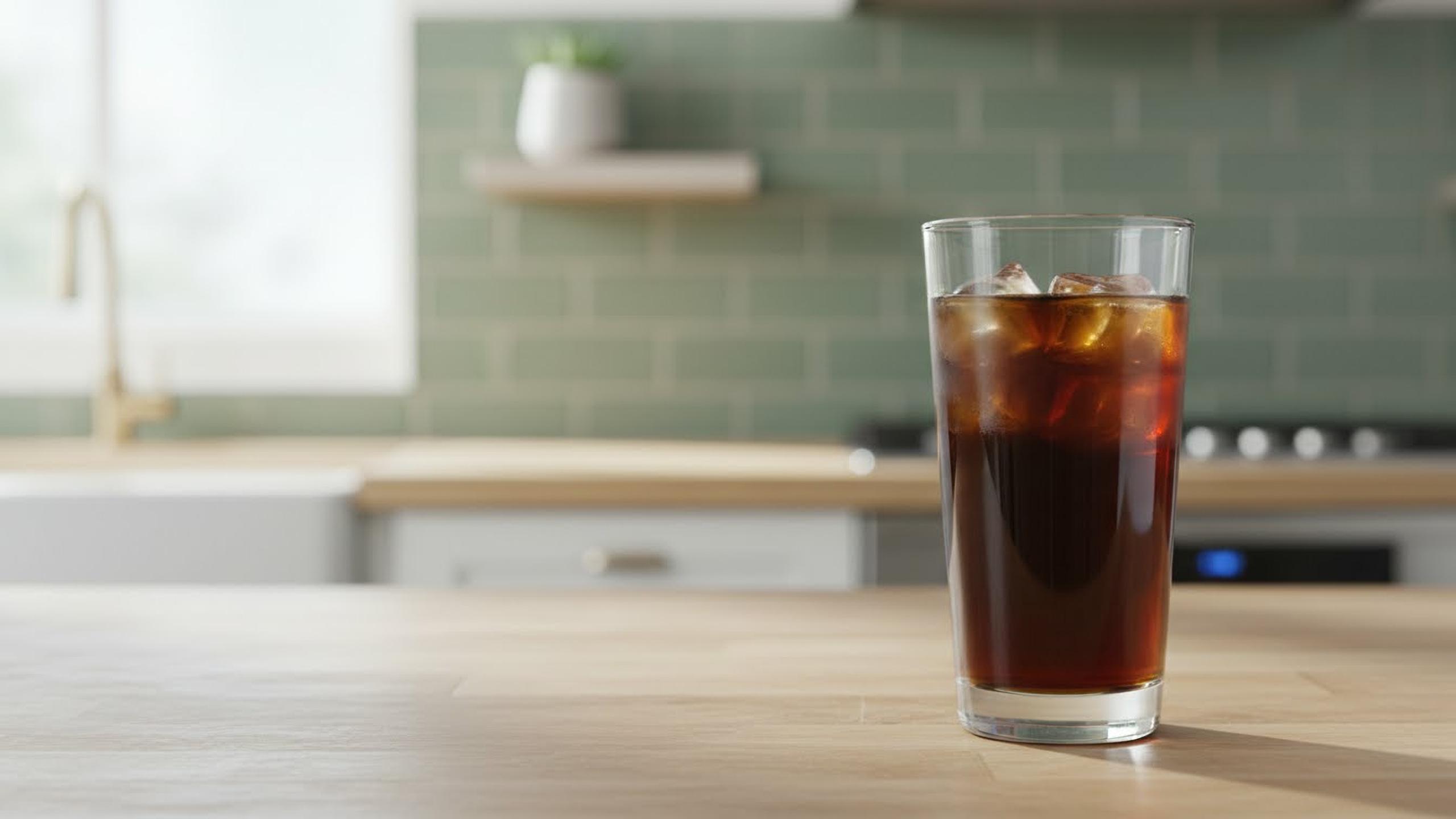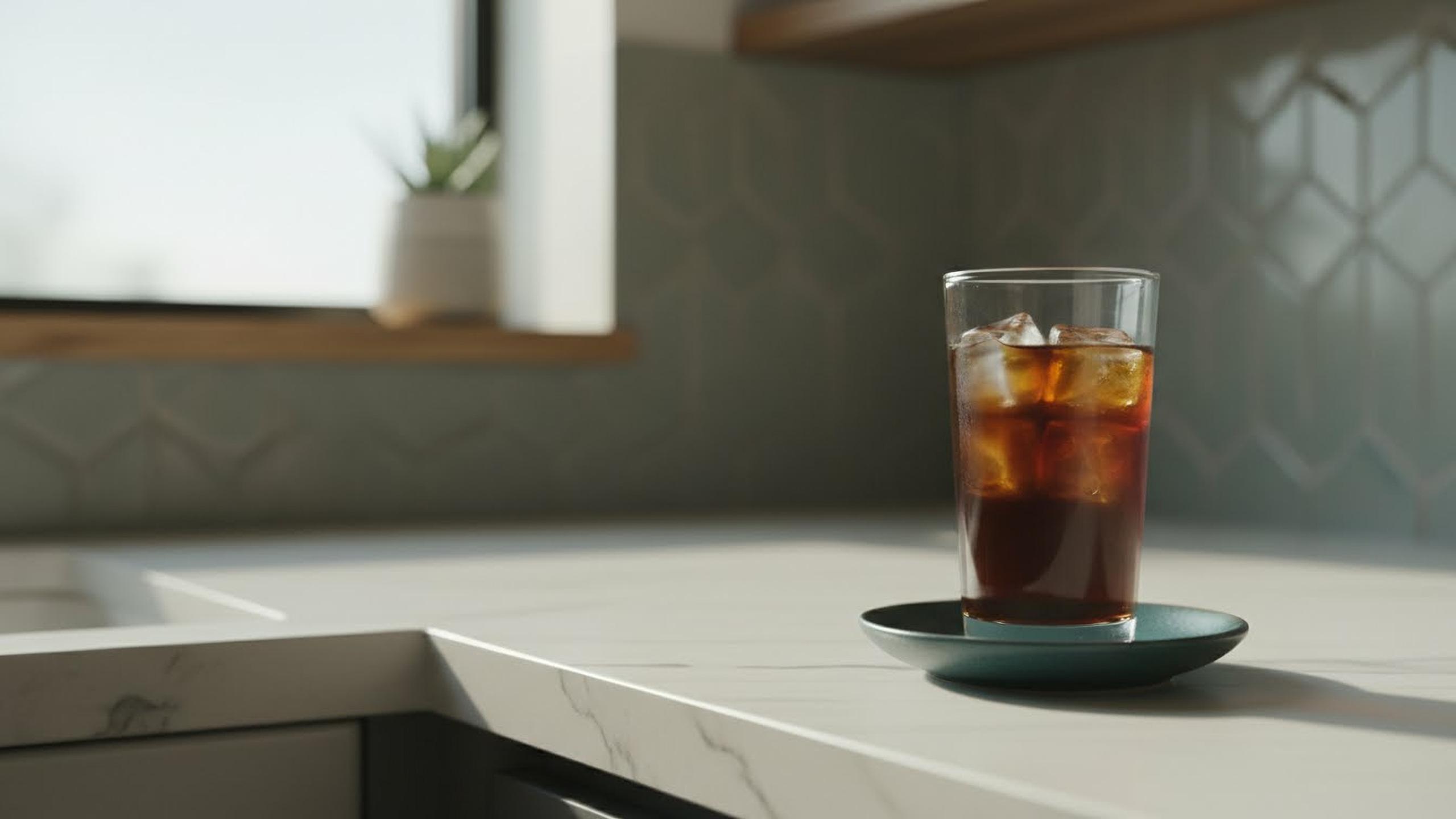







Why Overnight Soaking Works Wonders
The magic of cold brew coffee lies in its gentle, slow extraction process. Unlike hot brewing, which uses high temperatures that can rapidly pull out bitter compounds and harsh acids, cold brewing uses time instead of heat. Steeping coffee grounds in cold or
room-temperature water for 12 to 24 hours extracts the flavor compounds more selectively. This method significantly reduces the amount of acid that ends up in your cup—some studies suggest by as much as 70%—resulting in a naturally smoother and sweeter flavor profile that many find easier on their digestive system. The result is a coffee that’s less sharp and more rounded, with prominent notes of chocolate and a full body.
Gathering Your Simple Equipment
You don’t need any fancy or expensive gadgets to make excellent cold brew at home. In fact, you probably already have everything you need. The essential items are a large jar or pitcher that can be sealed, coarsely ground coffee, cold filtered water, and something to strain the grounds with. A large mason jar works perfectly as a brewing vessel. For straining, you can use a fine-mesh sieve, several layers of cheesecloth, or even a standard paper coffee filter placed in a funnel. Some people also like using reusable cotton bags or specially designed cold brew filter bags, which contain the grounds and make cleanup incredibly simple.
The Importance of a Coarse Grind
The single most important rule for making great cold brew is to use coarsely ground coffee. The grounds should have a consistency similar to coarse sea salt. Because the coffee will be immersed in water for many hours, a fine grind would over-extract, leading to a cloudy, silty, and bitter brew. A coarse grind, however, allows the water to circulate evenly and extract the flavors slowly and cleanly. It also makes the filtering process much easier, as the large particles are less likely to pass through your filter and create sediment in the final product. You can ask your local coffee roaster to grind the beans for you or use the coarsest setting on your home grinder.
Finding Your Perfect Coffee-to-Water Ratio
The ratio of coffee to water determines the final strength of your brew. While there's no single perfect formula, a great starting point for a ready-to-drink cold brew is a ratio of 1:11, which translates to about 1 cup of coffee grounds for every 1 litre of water. For a stronger concentrate that you can dilute later with water, milk, or ice, a ratio of 1:4 or 1:8 is more common. A 1:8 ratio (one part coffee to eight parts water by weight) is a popular middle ground. Don't be afraid to experiment. Start with a standard ratio and adjust the amount of coffee or water in your next batch until you find the strength that you love.
The Simple Step-by-Step Soaking Process
Once you have your gear and grounds, the process itself is remarkably easy. First, add your coarse coffee grounds to the bottom of your jar or pitcher. Next, slowly pour the cold or room-temperature filtered water over the grounds, ensuring they are all fully saturated. Give the mixture a gentle stir to make sure there are no dry clumps. Then, cover the container and place it in the refrigerator. Let it steep for anywhere between 12 and 24 hours. A shorter steep time (around 12-16 hours) will yield a lighter brew, while a longer time (18-24 hours) will create a stronger, bolder coffee. After the steeping is complete, it's time to filter out the grounds. Slowly pour the mixture through your chosen filter—be it a sieve, cheesecloth, or paper filter—into a clean container. Patience is key here; a slow strain prevents unwanted sediment. The resulting liquid is your finished cold brew.