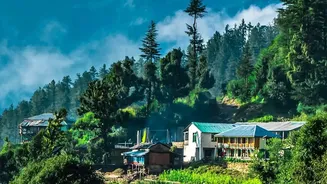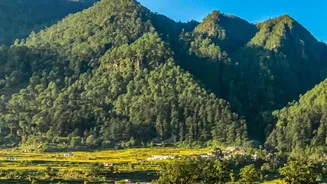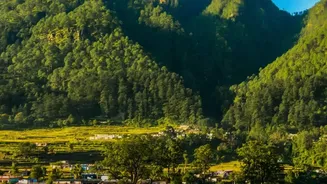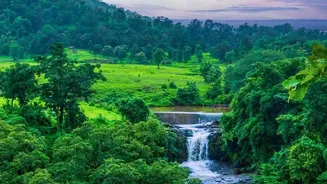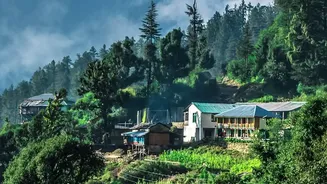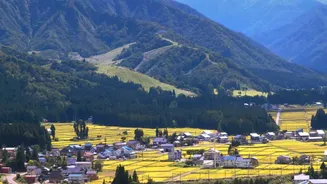








Why Ziro Valley for a Workation?
Ziro Valley, a UNESCO World Heritage Site nominee, offers a tranquil escape that few other destinations can match. It is the homeland of the Apatani community, known for its unique sustainable agriculture of rice-fish cultivation and deep-rooted cultural
traditions. For a digital nomad, this translates to a serene environment for deep work, punctuated by opportunities for genuine cultural exchange and exploration. The autumn season, particularly September and October, is considered one of the best times to visit, with pleasant weather, lush post-monsoon landscapes, and the buzz of festive energy in the air.
The Main Event: Ziro Festival of Music
The centerpiece of Ziro's autumn season is the Ziro Festival of Music, one of India's most beloved outdoor independent music festivals. Typically held over four days in late September, the festival transforms the valley's rice fields into a vibrant stage for artists from across India and the world. The 2026 edition is scheduled from September 24th to 27th. It's an eco-conscious event with bamboo stages and a strong emphasis on sustainability, drawing a crowd of travellers, artists, and music lovers. Beyond the music, the festival often includes workshops, cultural presentations by the Apatani community, and local food stalls.
Essential Permits: Your Entry Ticket
Before you even think of booking tickets, securing the right permit is mandatory. For Indian citizens who are not residents of Arunachal Pradesh, an Inner Line Permit (ILP) is required. This can be easily applied for online through the official state portal and is typically issued for up to 14 or 15 days. Foreign nationals need a Protected Area Permit (PAP). The process for a PAP is more involved; it generally cannot be applied for individually and must be arranged through a government-registered tour operator for a group of at least two people. Plan to apply for your permits well in advance of your travel dates.
Getting There: The Journey is Part of the Adventure
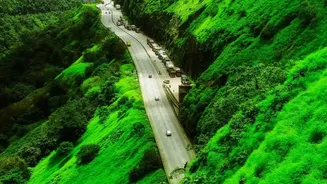
Reaching Ziro involves a multi-leg journey. The most common route is to first get to Guwahati in Assam, which is well-connected by air and rail to major Indian cities. From Guwahati, you can take an overnight train to Naharlagun, the nearest railway station to Ziro (about 100 km away). From Naharlagun, it’s a scenic 3-4 hour taxi ride up into the valley. Alternatively, you can fly to airports closer than Guwahati, such as Hollongi (Itanagar) or Lilabari in Assam, and then hire a taxi for the final road journey.
Staying Connected: A Digital Nomad’s Reality Check
This is the most critical factor for a workation. While Ziro is remote, internet connectivity has improved significantly. Many homestays, guest houses, and cafes now offer Wi-Fi. However, do not expect high-speed, uninterrupted service everywhere. Mobile data is a reliable backup; both Jio and Airtel have a decent presence. It is wise to have a portable hotspot and more than one SIM card to ensure you can stay online for work commitments. Some local broadband providers also offer services in the area. Before booking accommodation, explicitly confirm the Wi-Fi situation with your host.
Where to Stay and Work
Homestays are the best way to experience Ziro and authentic Apatani hospitality. Many local families have opened their homes to travellers, offering a unique glimpse into their culture. During the festival, numerous campsites also pop up near the venue, offering a more rustic experience. For a workation, a homestay is preferable. Look for options in villages like Hong, Hari, or Siiro. When booking, inquire about a quiet space for working and power backup, as electricity can sometimes be intermittent.
Beyond the Festival: Exploring Ziro’s Soul
Your workation shouldn't be all work and festival. Ziro's real charm lies in its serene landscapes and slow pace of life. Use your downtime to explore. Go for a guided walk through the Apatani villages, trek to the Kile Pakho viewpoint for a panoramic view of the valley and the Himalayas, or visit the Tarin Fish Farm to see the unique rice-fish cultivation system up close. A visit to the Talley Valley Wildlife Sanctuary is a great option for nature lovers, though it requires a bit more planning.