






Beyond Just a Bigger Seat
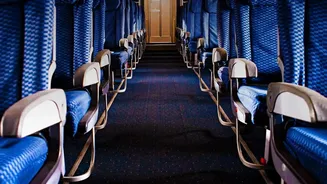
Premium economy has become a popular upgrade, promising a more comfortable journey without the business-class price tag. Airlines heavily market the physical perks: wider seats, more recline, and crucially, several extra inches of legroom. For anyone
who has endured a long-haul flight with their knees pressed against the seat in front, the appeal is obvious. This cabin class typically offers between five and seven more inches of seat pitch—the distance between your seat and the one in front—than standard economy. It also comes with other benefits like priority check-in, a larger baggage allowance, and upgraded meals. These tangible comforts have traditionally defined the value of a premium economy ticket. But as airlines have become more sophisticated with their pricing, another, less visible factor has emerged as a key part of the equation.
The Hidden Value of a Flexible Fare
Flexibility refers to the rules attached to your ticket, specifically what happens if your plans change. The least expensive fares, including many discounted premium economy tickets, are often the most restrictive. This can mean facing hefty fees to change your flight dates or, in some cases, forfeiting the entire cost of the ticket if you need to cancel. A flexible ticket, by contrast, allows for changes or cancellations with minimal or no financial penalty. Airlines often sell multiple versions of premium economy fares, each with different rules. A slightly more expensive ticket might be fully refundable, while the cheapest option is completely non-refundable. In a world of uncertain schedules, paying for this flexibility can be a smarter investment than paying for a couple of extra inches of seat width.
When Should You Prioritise Flexibility?
The importance of a flexible ticket depends entirely on your travel circumstances. If your trip dates are set in stone for a family wedding or a fixed holiday, a less flexible, cheaper ticket might be the logical choice. However, if your plans have a chance of shifting, the extra cost for flexibility can provide valuable peace of mind. Consider business trips that might be rescheduled, personal travel that depends on the health of a family member, or any situation where a last-minute change is a real possibility. In these scenarios, a change fee could easily wipe out the savings you gained by choosing a restrictive fare. A flexible ticket acts as a form of insurance against life's unpredictability, making it a critical component of a 'good deal'.
How to Read Between the Lines
Finding the fare rules isn’t always straightforward, but it's a crucial step before you book. When searching for flights, don't just stop at the headline price. During the booking process, airlines will present you with different fare options or 'buckets'. Click on the details for each, often found under a link like 'Fare Rules' or 'Ticket Details'. This is where you’ll find the specifics on change fees, cancellation policies, and refundability. It’s also important to know that the term 'premium economy' isn't standardized across the industry. What one airline offers as a true premium experience with a dedicated cabin, another might market as simply an economy seat with extra legroom. Always verify the specific seat dimensions and the ticket's flexibility rules for your exact flight, not just the airline's general marketing page.
Balancing Comfort and Practicality
Ultimately, the best premium economy deal is the one that best suits your needs. For a tall person on an overnight flight, the extra legroom and recline are non-negotiable and worth paying for. In this case, seat pitch is the priority. Other travellers might value the bundled perks like two free checked bags and priority boarding, which can offset the higher ticket price if they would have paid for those extras anyway. But for an increasing number of travellers, the ability to adapt to changing circumstances without financial penalty is the most valuable perk of all. The key is to look past the marketing and assess the total value proposition. A ticket that combines reasonable comfort with the freedom to change your plans is often the smartest purchase you can make.