

More Than Just a Gut Feeling
First, let's break down what the 'gut microbiome' actually is. Think of it as a bustling city of trillions of tiny organisms—bacteria, viruses, and fungi—living inside your digestive system. This microscopic community is far from a passive passenger;
it's a vital partner in your health. These microbes help digest food, particularly substances like fiber that the body can't break down on its own. They produce essential vitamins, regulate your immune system, and even influence your risk for conditions like diabetes and inflammatory bowel disease. Each person's microbiome is as unique as their fingerprint, shaped by genetics, lifestyle, and, most importantly, diet.
A Landmark Study for South Asia
For years, most microbiome research has focused on Western populations, leaving a massive gap in our understanding of global health. A recent, large-scale study known as the South Asian MicroBiome ARray (SAMBAR) is changing that. Researchers studied 575 adults from ten different communities across India and Sri Lanka, comparing people in ancestral villages with those in urban centers. This was crucial because South Asian populations are not only underrepresented in research but are also seeing a rapid rise in metabolic diseases like type 2 diabetes and heart disease, often linked to lifestyle changes. The study aimed to finally understand what makes the South Asian gut unique and how it reacts to modern life.
Why Your Roti Is Not My Roti
The study's most significant finding reinforces what many have suspected: there is no single response to diet and lifestyle changes. While the study found that urbanization was generally associated with an increase in bacteria linked to conditions like obesity, the specific changes were highly dependent on the community. In other words, the gut microbiomes of people from different cultural and geographical backgrounds responded to urbanization in their own unique ways. This proves that your body's reaction to food is deeply personal. What works for one person—or even one community—is not a universal rule. The research suggests that factors like local culture and geography can have an even stronger influence on your gut than broad lifestyle shifts.
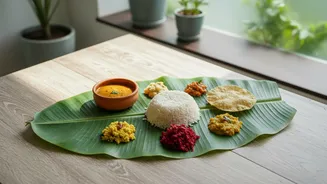
The Power of a Traditional Thali
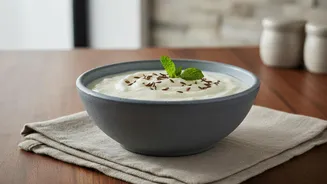
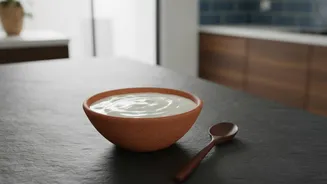
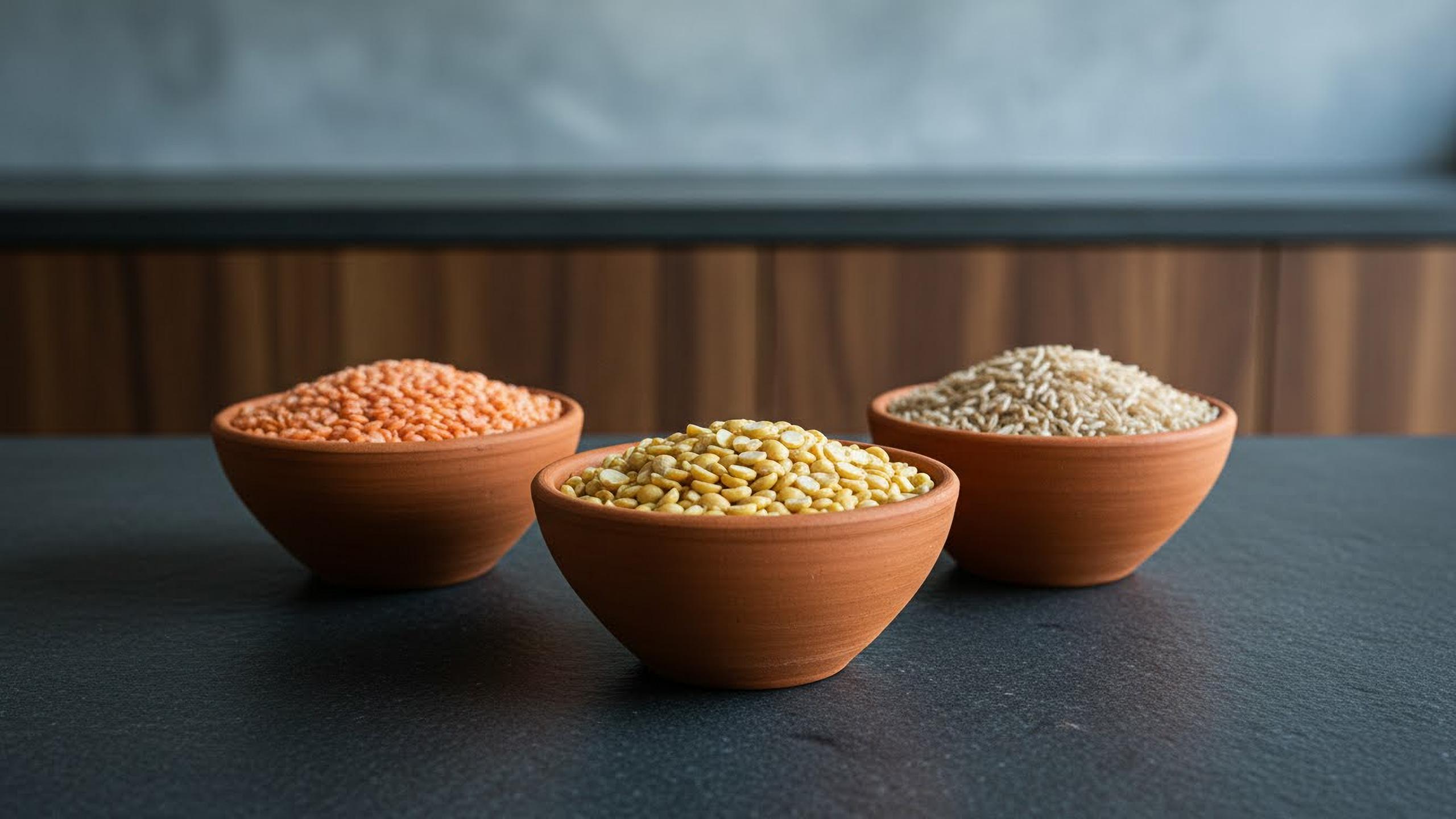
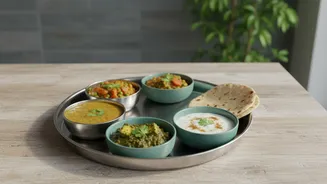
The traditional Indian diet, rich in fiber from lentils, vegetables, and whole grains, and packed with fermented foods like dahi, idli, and dosa, creates a distinct gut environment. Studies show the typical Indian gut often has a high abundance of a bacterium called Prevotella, which is excellent at breaking down plant fibers and carbohydrates. This is fundamentally different from the typical Western gut, which is often dominated by Bacteroides bacteria, better suited to a diet high in meat and fat. However, as diets become more 'Westernized' and include more ultra-processed foods, this beneficial balance can be lost. Research on South Asian immigrants shows that as their diet changes, they lose their native microbes, which may contribute to a higher risk of inflammatory diseases.
The Future is a Personalised Plate
This new wave of research is pushing us away from generic diet charts and toward a future of truly personalized nutrition. Understanding your unique microbiome profile can help predict how you will respond to different foods. One study showed that an individual’s baseline gut composition was a good predictor of how well they would respond to a high-fiber diet. The implications are huge. Imagine receiving dietary advice tailored specifically to your body's microbial makeup. This isn't science fiction. A recent study in India used artificial intelligence to create personalized dietary recommendations based on gut profiles, achieving over 91% accuracy in predicting health improvements. This is the next frontier in preventive healthcare: using deep science to create a diet that is perfectly, uniquely yours.