




From Imported Status to Local Pride
Remember when the fanciest dish on the menu always featured something from far away? Norwegian salmon, Peruvian quinoa, Italian truffle oil, and Californian almonds were badges of honour for restaurants aiming for a 'global' standard. These ingredients
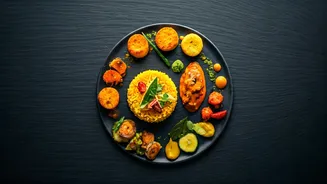
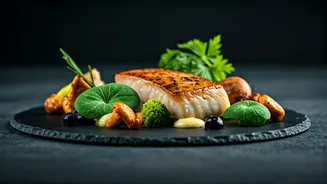
signalled luxury, sophistication, and an aspirational dining experience. While they introduced Indian palates to new flavours and textures, they also inadvertently created a hierarchy where foreign was often seen as 'better' than local. Today, that pyramid is being turned on its head. A new generation of visionary chefs is challenging this notion, not by rejecting global techniques, but by applying them to ingredients that grow just a few kilometres away. They are proving that a dish built around Himalayan trout, Bandel cheese from West Bengal, or foraged greens from the Western Ghats can be just as complex, delicious, and worthy of a fine-dining setting as any imported counterpart. This isn't about being anti-global; it's about being pro-local and celebrating the world-class quality that already exists within our borders.
The 'Why' Behind the Shift
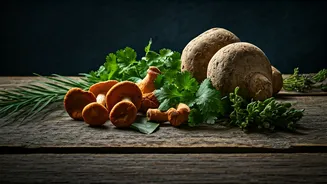
This movement is more than just a passing trend; it's a fundamental shift in culinary philosophy driven by several key factors. First and foremost is sustainability. Sourcing locally drastically reduces food miles and the carbon footprint associated with shipping ingredients across continents. It supports local farmers and small-scale producers, fostering a more resilient and equitable food system. Second is the undeniable advantage of flavour. An ingredient picked at its peak and served within days, or even hours, possesses a vibrancy that its long-travelled equivalent simply cannot match. A winter carrot from Ooty pulled from the earth a day ago has a sweetness and crunch that is worlds apart from one that has spent weeks in cold storage. Chefs are rediscovering that ultimate luxury is not rarity, but freshness. Finally, this is a journey of identity and discovery. Chefs are becoming culinary explorers and archivists, digging into regional traditions to unearth forgotten grains, heirloom vegetables, and unique flavour profiles. By placing a local ingredient at the centre of the plate, they are telling a story about a specific place, its people, and its history. It's a confident declaration that modern Indian food can be innovative and world-class by looking inward, not just outward.
Meet the New Menu Superstars
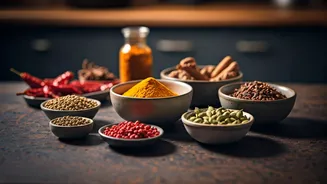
So, which local heroes are stepping into the spotlight? The list is as diverse as India itself. Millets like jowar, bajra, and ragi, once considered humble staples, are now appearing in sophisticated dishes like risotto, gourmet flatbreads, and even desserts. Their nutty flavours and nutritional benefits are being celebrated in urban restaurant kitchens. In the flavour department, unique regional ingredients are going national. The intensely fragrant Gondhoraj lebu from Bengal is no longer confined to Bengali kitchens; its zest is brightening cocktails, curries, and desserts across the country. From the Himalayas, ingredients like jakhiya (a pungent seed used for tempering) and timbur (a cousin of Sichuan pepper) are adding a new dimension to modern dishes. Even seafood and cheese are getting a local makeover. Instead of salmon, chefs are championing seasonal catches from Indian coastlines, celebrating the unique tastes of local pomfret, mackerel, and seer fish. Simultaneously, a burgeoning artisanal cheese movement is creating incredible products like Kalari from Jammu and fresh mozzarella from Puducherry, proving that world-class cheese doesn't have to come from Europe.
Chefs Leading the Charge
This revolution is being led by passionate individuals. Chefs like Thomas Zacharias, formerly of The Bombay Canteen and now through his platform The Locavore, have been instrumental in popularising this philosophy. His menus were famous for celebrating unheralded ingredients, turning things like ponkh (tender jowar) into a must-try dish. In Goa, Avinash Martins of Cavatina has built his entire concept around the rich, hyperlocal bounty of the state, from indigenous vegetables to freshly caught seafood. These chefs and many others like them are more than just cooks; they are storytellers. They build direct relationships with farmers, visit local markets, and research culinary traditions to inform their menus. By doing so, they not only create exceptional food but also educate their diners, encouraging them to see the ingredients they may have taken for granted in a whole new light. They are making the farmer as much a hero as the chef.