




The Myth of the Single-Nutrient Solution
We have long been taught to think of nutrients in isolation. Need Vitamin C? Eat an orange. Low on iron? Have some spinach. While not wrong, this approach oversimplifies how our bodies work. Bone health, in particular, is a complex process that depends
on a team of nutrients working together, not a solo performance by calcium. If your body doesn't get enough calcium from your diet, it draws from the stores in your bones, which can weaken them over time. However, simply flooding your system with a single source, like a large supplement or endless glasses of milk, isn't the most effective strategy. Calcium absorption can decrease when you consume too much at once, and without its essential co-factors, much of that intake might not even be used properly.
Introducing the 'Food Pattern' Approach
Enter the concept of dietary patterns. Instead of tracking single nutrients, this holistic approach looks at the entirety of what you eat. A bone-healthy food pattern is one that consistently includes a variety of nutrient-dense foods. It’s about building a diet where calcium and its supporting cast of vitamins and minerals are regularly present. This creates a nutritional environment where your bones have everything they need to stay strong and resilient. Experts now agree that this balanced diet approach is more effective for preventing bone mass loss than focusing on calcium alone.
Meet Calcium’s Supporting Cast
Calcium is the star player, but it needs a strong supporting team to do its job. Vitamin D is perhaps the most critical partner, as it is essential for absorbing calcium from your food. Without enough Vitamin D, calcium can’t be put to good use. Magnesium is another key player, helping to build strong bone mineral crystals and maintain structure. Vitamin K helps with bone mineralization, while Vitamin C is crucial for forming collagen, the protein that provides a framework for your bones. Potassium also plays a role by helping to prevent calcium loss. This team of nutrients is rarely found in a single supplement but is abundant in a varied, whole-foods diet.
Building Your Bone-Healthy Plate
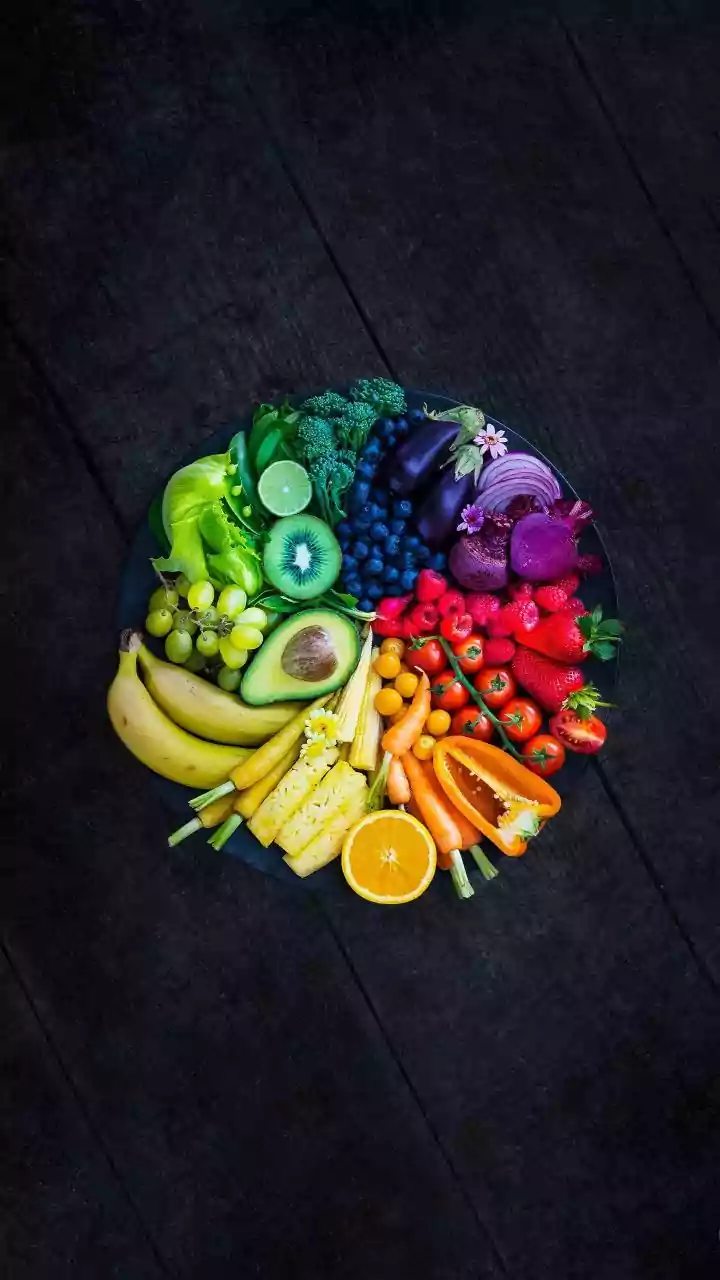
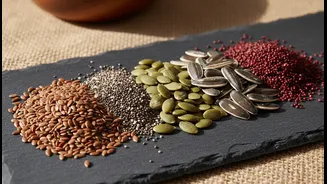
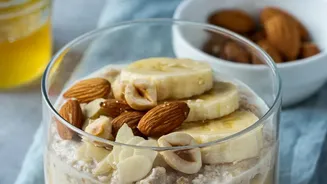
So, what does a bone-healthy food pattern look like in your kitchen? It's colourful, varied, and delicious. Dairy products like milk, yogurt, and cheese remain excellent sources of easily absorbable calcium. But the conversation has expanded far beyond the dairy aisle. Dark leafy greens like kale, collard greens, and bok choy are packed with calcium. Canned fish with edible bones, such as sardines and salmon, provide a powerful dual punch of calcium and Vitamin D. Nuts and seeds, particularly almonds and sesame seeds, are great calcium-rich snacks. Legumes, including beans and lentils, and fortified foods like tofu, plant-based milks, and certain juices, also contribute significantly to your daily intake. The goal is not to eat all of these every day, but to build meals from a wide variety of these ingredients.