




How AI Enters Your Routine
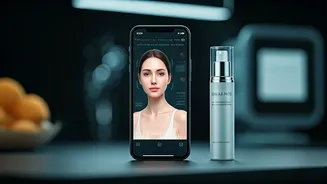
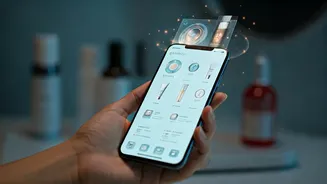
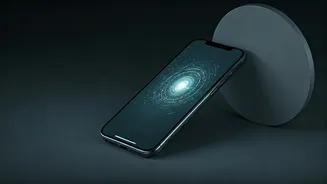
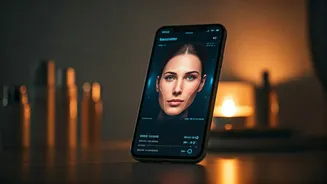
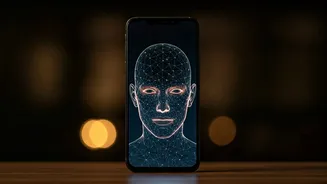
The process is usually simple and starts with your smartphone. Most AI skincare tools are apps or web-based platforms that ask you to take a selfie. Using your phone's camera, the AI scans your face, analysing it for a range of concerns like fine lines,
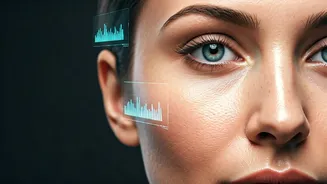
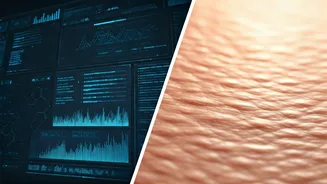
dark spots, texture, pore size, and hydration levels. This image recognition technology compares your photo to a massive database of thousands or even millions of other skin images to identify patterns. Many tools also combine this visual analysis with a questionnaire about your lifestyle, environment, and skin goals to create a more complete profile. The end result is a detailed report on your skin's health and a list of recommended products or ingredients tailored to your specific needs.
The Promise of Personalisation
The biggest advantage of AI in skincare is hyper-personalisation. Instead of a one-size-fits-all approach, AI offers data-driven recommendations that adapt to you. For many, this is a huge draw; studies show that over 70% of consumers feel more confident in a product recommended by a digital tool. These systems can track your skin's progress over time, adjusting suggestions as your skin changes due to age, season, or hormonal shifts. This technology also makes skincare advice more accessible, offering instant analysis without needing to schedule an appointment. For people in areas with limited access to dermatologists, AI can serve as a valuable first step in understanding their skin health.
The Reality Behind the Algorithm
Despite the futuristic appeal, AI skincare is not flawless. The accuracy of the analysis heavily depends on the quality of your photo—lighting, angle, and camera quality can all skew the results. Furthermore, many AI models have been trained on datasets that may lack diversity in skin tones, potentially leading to less accurate readings for people with darker skin. A significant criticism is product bias. Many free tools are designed by brands to recommend and sell their own products, raising questions about the objectivity of the advice. The algorithm can see surface texture, but it can't feel your skin, understand underlying health conditions, or ask clarifying questions the way a human expert can.
What Dermatologists Say
The consensus among dermatologists is that AI tools are, at best, a starting point—not a replacement for professional medical advice. While they can be helpful for tracking cosmetic concerns like dryness or fine lines, they are not reliable for diagnosing medical conditions. Studies have shown that some apps have a low accuracy rate for identifying serious issues like melanoma. Experts warn against relying on an app for a diagnosis, as a false reassurance could lead someone to delay seeing a doctor for a real problem. Most professionals see AI's potential as a supportive tool that can assist them, but they stress that a board-certified dermatologist's expertise is still essential for accurate diagnosis and treatment plans.
Your Data and Your Face
When you upload a selfie for a skin analysis, you're sharing more than just a photo—you're providing biometric data. This has raised significant privacy concerns. What happens to your photos and personal information? Regulations like GDPR in Europe require companies to get explicit consent before processing such sensitive data, but it's crucial for users to read the fine print. Data breaches can damage a brand's reputation, and many consumers are wary of how their information is stored and used. As these technologies become more integrated into our lives, ensuring that your personal data is protected is a critical consideration before using any AI-driven service.