





The Planetary Dance Card
July 2026 is a month of remarkable planetary gatherings, many visible before sunrise. The show begins on July 4, when Mars and Uranus have a rare, extremely close conjunction in the eastern sky. While reddish Mars is easy to spot, you'll likely need binoculars
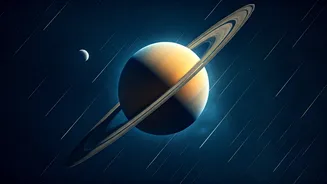
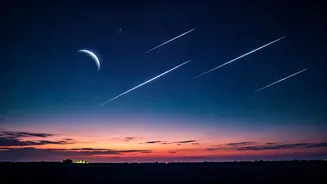
to see the faint blue-green dot of Uranus right beside it. Just a few days later, on the nights of July 7 and 8, the Moon will appear close to the ringed planet Saturn. Look for the pair rising after midnight, with Saturn appearing as a steady, golden point of light that doesn't twinkle. The cosmic choreography continues around July 10-11, when a beautiful crescent Moon joins Mars and the Pleiades star cluster (also known as the Seven Sisters) in a stunning pre-dawn arrangement. Finally, on July 17, look to the west shortly after sunset for a lovely pairing of the young crescent Moon and the brilliantly bright planet Venus.
A Glimpse of the Galaxy
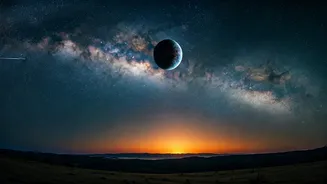
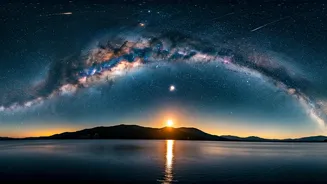
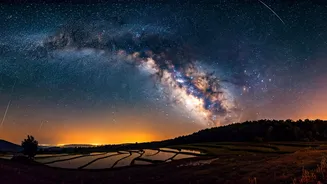
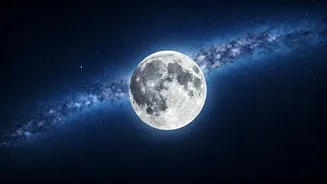
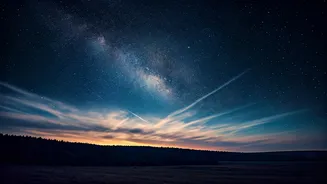
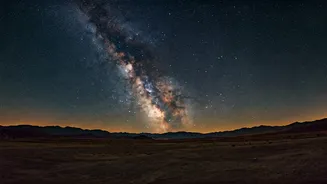
Sometimes the best thing to see in the sky is the absence of light. The new Moon on July 14 creates the darkest sky conditions of the month, as there will be no moonlight to wash out fainter objects. For anyone away from the glare of city lights, the week around this date is the absolute best time in July to witness the majestic sweep of the Milky Way. Our home galaxy will stretch across the southern sky like a luminous, hazy cloud. This is a sight that requires no special equipment, only a dark location and the patience to let your eyes fully adjust to the darkness. It’s an opportunity to see the grand scale of our cosmic neighbourhood in a way that city dwellers rarely can.
A Challenging Meteor Shower
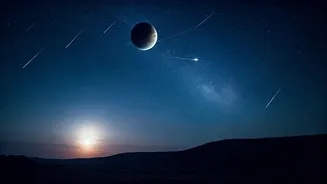
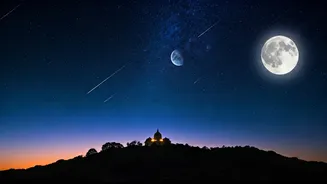
July is also home to the Southern Delta Aquariid meteor shower. This shower, created by dust from comets, is set to peak on the night of July 29-30. In a typical year, you could expect to see 15 to 20 shooting stars per hour. However, 2026 presents a significant challenge: the peak coincides with a bright, nearly full moon. The lunar glare will unfortunately wash out all but the brightest meteors. But don't lose all hope. The associated Alpha Capricornid shower, which peaks at the same time, is known for producing a few slow, exceptionally bright fireballs that might be visible despite the moonlight. A better strategy might be to try watching a week earlier. The moonless, pre-dawn mornings between July 21 and July 26 offer a darker window to potentially catch some early meteors from the shower.
The Guru Purnima Moon
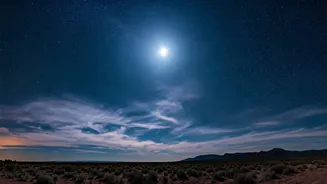
The very same moon that complicates meteor viewing becomes a main event in its own right. The full moon on July 29 is known in global traditions as the "Buck Moon," named for the time of year when male deer grow their new antlers. More significantly in India, this full moon coincides with the festival of Guru Purnima. The moon will rise in the east around sunset, dominating the night sky. When it's near the horizon, it may appear unusually large and colourful due to an optical effect known as the "moon illusion." While it might not be a supermoon in the technical sense, its cultural significance and commanding presence make it a perfect reason to step outside and appreciate our closest celestial neighbour.
Your Rooftop Viewing Guide
You don't need to be an expert or own a telescope to enjoy July's celestial offerings. In fact, for most of these events, your naked eyes are the best tool. Find a comfortable spot on a rooftop, balcony, or in a park with an open view of the sky, preferably away from direct streetlights. Give your eyes at least 20 minutes to fully adapt to the darkness; you'll be amazed at how many more stars appear. A reclining chair or a simple mat on the floor will save you from neck strain. While a telescope is great for seeing Saturn's rings, binoculars can enhance views of the Pleiades or help you hunt for Uranus next to Mars. For the most part, though, the best approach is to simply lie back, look up, and let the show unfold.