




The Protein Puzzle: Complete vs. Incomplete
Protein is essential for repairing and building muscle tissue, a process crucial for anyone who lifts weights or engages in intense exercise. Proteins are made of building blocks called amino acids. There are 20 in total, and nine of them are considered
'essential' because our bodies can't produce them; we must get them from food. A 'complete' protein source contains all nine of these essential amino acids in adequate amounts. While animal products like meat, eggs, and dairy are all complete proteins, most plant-based foods are 'incomplete', meaning they are low in one or more essential amino acids. This doesn't make them inferior; it just means you need to be a little smarter about how you combine them to cover all your bases.
Lentils: A Plant-Based Powerhouse
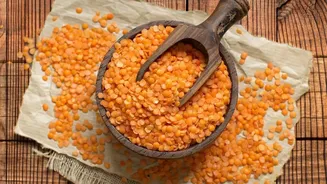
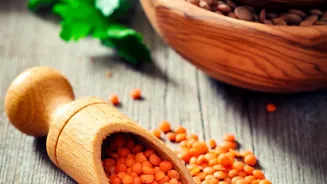
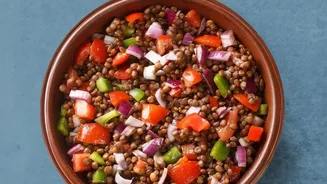
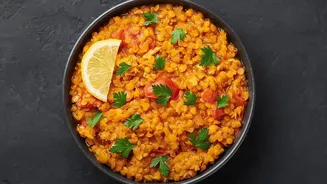
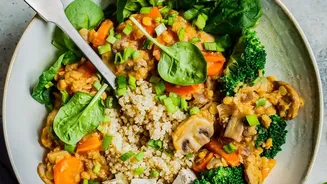
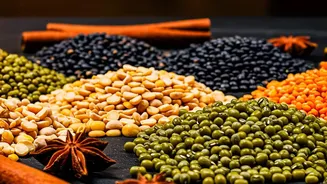
Lentils, a staple in Indian cuisine, are a fantastic source of plant-based protein, fibre, and complex carbohydrates. A single cooked cup provides around 18 grams of protein. They are particularly rich in essential amino acids like lysine and leucine, the latter of which is especially important for triggering muscle protein synthesis—the process of building new muscle. However, like most legumes, lentils are low in two sulfur-containing essential amino acids: methionine and cysteine. This is where the concept of 'protein synergy' or complementarity comes into play. By pairing lentils with a food source rich in the amino acids they lack, you can create a meal with a complete amino acid profile.
Seeds: The Missing Piece of the Puzzle
This is where seeds make their grand entrance. Many seeds, including pumpkin, sesame, and sunflower seeds, are excellent sources of the very amino acids that lentils are low in—methionine and cysteine. For instance, sesame seeds (and tahini, which is made from them) and sunflower seeds are notably high in methionine. By simply adding a handful of these seeds to your lentil-based meal, you effectively 'complete' the protein. This combination ensures your body receives all the necessary building blocks it needs to function optimally, especially after a demanding workout session. Chia and hemp seeds are also excellent choices, with the added benefit of being complete proteins on their own.
Why Protein Synergy Matters for Gymmers
For someone who regularly goes to the gym, this isn't just an interesting nutritional fact; it's a practical strategy for better results. When you consume a complete protein, you provide your body with the full spectrum of amino acids needed for muscle protein synthesis. This process is vital for recovering from workouts, repairing the microscopic tears in muscle fibres that occur during training, and ultimately, building stronger and larger muscles. While your body can pool amino acids from different meals throughout the day, ensuring key meals—like your post-workout meal—are built around complete protein sources can optimise recovery and growth. Combining plant proteins effectively can support muscle development just as well as animal proteins.
Easy and Practical Combinations
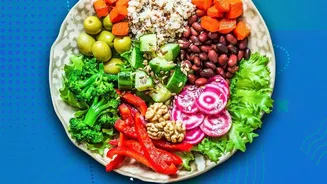
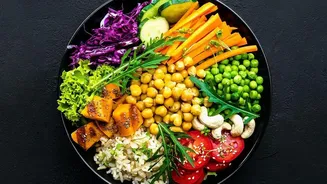
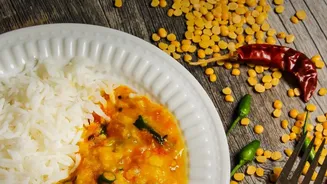
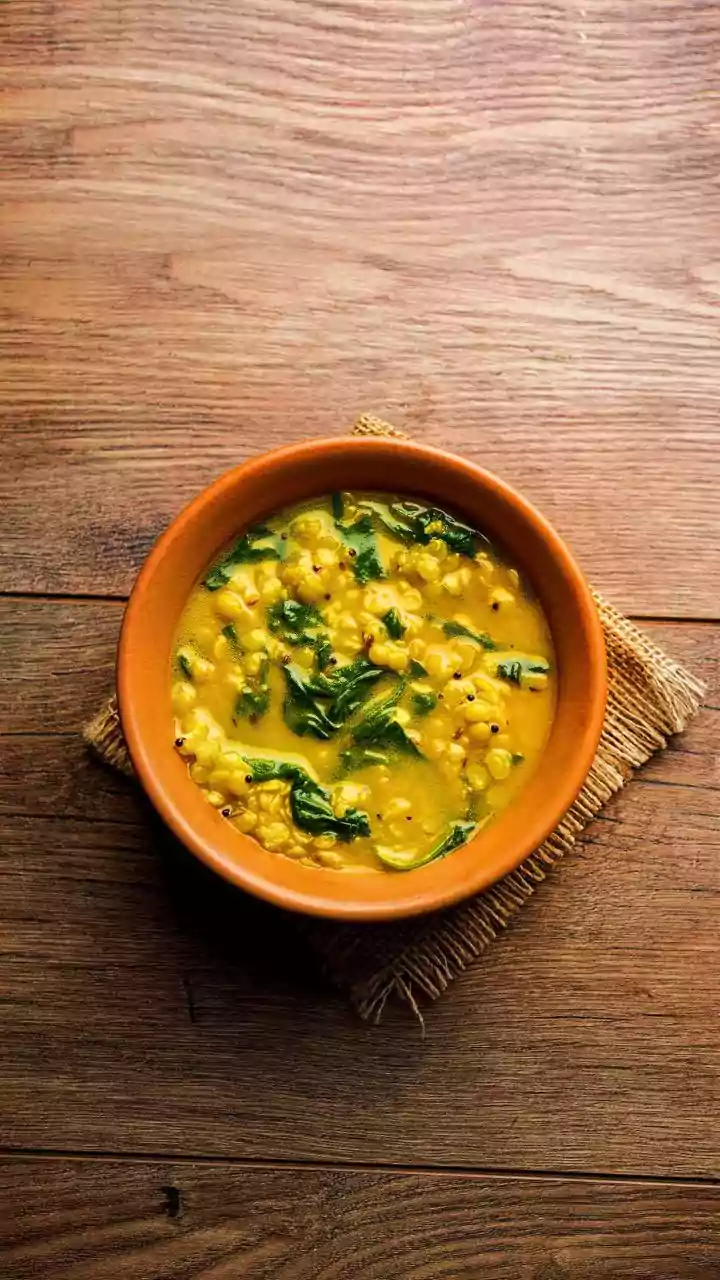
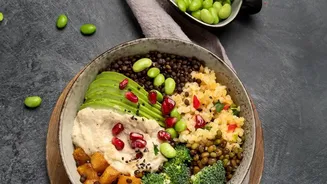
Integrating this powerful duo into your diet is simple and can be incredibly delicious. Many traditional Indian meals already do this intuitively. The key is to be mindful and consistent. Start with your everyday dal. Whether it's toor, masoor, or moong, finish it with a 'tadka' that includes not just spices but also a tablespoon of sesame or sunflower seeds. You can also sprinkle a mix of toasted pumpkin and sunflower seeds over a bowl of lentil soup or salad for added crunch and nutrition. Another great option is to prepare lentil-based patties or kebabs and use tahini as a dipping sauce. For a quick snack, consider lentil-based wraps or crackers paired with a seed-based dip. The possibilities are endless and easily adaptable to your existing meal plan.