

The Monsoon's Wild Harvest
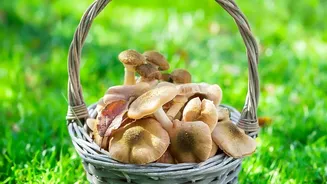
From the high-altitude forests of the Himalayas to the lush Western Ghats and the Sal jungles of Bengal, the rainy season triggers a quiet, magical event. Indigenous communities, equipped with generations of knowledge, venture into the wilderness to gather
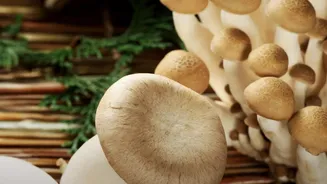
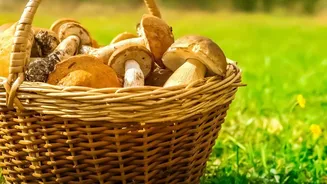
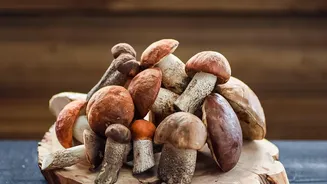
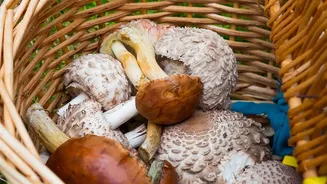
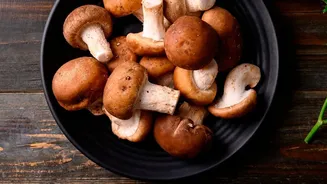
a seasonal bounty of wild edible fungi. This isn't a new practice, but it's finding a new audience. Urbanites, chefs, and nature enthusiasts are increasingly joining the hunt, drawn by the allure of ingredients that cannot be cultivated and only appear for a few weeks a year. In regions like Himachal Pradesh, Jammu and Kashmir, and Uttarakhand, foragers search for the prized Gucchi, or Morel mushroom, a honeycomb-capped delicacy that grows after the snow melts and can fetch prices upwards of ₹30,000 per kilogram. Meanwhile, in Goa and the Western Ghats, the focus is on Termitomyces, or 'olmi', mushrooms, which grow in a symbiotic relationship with termite mounds and are a beloved monsoon delicacy.
A Legacy of Living Knowledge
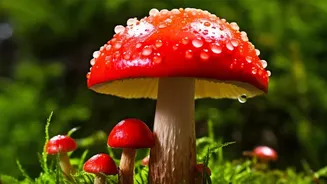
The revival of mushroom foraging is about more than just food; it's a celebration of traditional ecological knowledge. For centuries, indigenous communities have been the custodians of this wisdom. This knowledge is a complex science, passed down orally, that involves identifying edible species from toxic lookalikes based on appearance, smell, and location. Foragers know which mushrooms sprout from decaying wood, which are found in humus-rich soil, and which, like the Termitomyces, signal a relationship with termites underground. This expertise is crucial, as misidentification can be dangerous. Communities like the Gaddis in Himachal Pradesh and the Soligas in Karnataka have time-honoured rules for sustainable harvesting, such as knowing when to pick the mushrooms and how much to leave behind to allow for natural regeneration, ensuring the forest's resources are preserved for future generations.
From Forest to Five-Star Plate
The renewed interest in wild mushrooms is also making a significant impact on India's culinary landscape. High-end chefs and restaurants are increasingly looking beyond farmed produce, seeking out these rare, foraged ingredients to bring unique, local flavours to their menus. The smoky, earthy taste of Gucchi makes it a star in gourmet dishes like Gucchi Pulao, while the meaty texture of Termitomyces varieties is celebrated in regional curries and stir-fries across Goa and West Bengal. This trend is helping to create a market for foraged goods, providing a valuable source of seasonal income for many rural and tribal households. Chefs are not only using the mushrooms but also celebrating the stories and traditions behind them, educating diners about the biodiversity of India's forests and the importance of the communities who protect it.
Challenges and the Path Forward
While the resurgence of foraging is a positive development, it also comes with challenges. The growing commercial demand for species like Gucchi raises concerns about overharvesting, which could threaten both the mushroom populations and their delicate habitats. Furthermore, this traditional knowledge system itself is at risk, as younger generations in some communities become less engaged with forest-based practices. Climate change and forest degradation also pose a significant threat to the sensitive ecosystems that these fungi depend on. To ensure a sustainable future, the focus must be on ethical foraging practices, community-led conservation efforts, and fair compensation for the traditional knowledge holders. By documenting and respecting these ancient practices, India can protect its incredible fungal diversity and ensure that the monsoon harvest continues to enrich its culture and cuisine for years to come.