
The Morning Rush and the Need for Speed
In bustling urban centers, the leisurely breakfast is often the first casualty of a hectic schedule. Long commutes and early starts have fueled a massive demand for convenience. This is where ready-to-eat options have found a significant foothold. The
breakfast cereal market in India is a multi-billion dollar industry, with oats, muesli, and fortified flakes becoming pantry staples. These options offer a quick and easy solution that requires minimal preparation time, a crucial factor for working professionals and students. It’s no longer just about skipping a meal; it's about finding a smarter, faster way to eat it, and quick-commerce apps have amplified this by making everything from milk to ready-to-eat upma available in minutes.
The Health Halo Effect
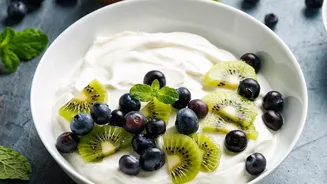
Parallel to the need for convenience is a powerful and growing consciousness around health and wellness. Indian consumers are increasingly scrutinizing what's on their plate, leading a shift away from foods perceived as high in refined carbs or sugar. This has sparked two major trends. First, the adoption of global health foods like protein-rich Greek yogurt, smoothies, and nutrient-dense seeds. Second, and perhaps more interestingly, is the revival of traditional Indian grains. Millets like ragi, jowar, and bajra are experiencing a major comeback. They are being reimagined in modern, convenient formats such as millet-based cereals, dosa mixes, and breakfast porridges, offering a blend of traditional nutrition and modern ease.
A Taste of the World
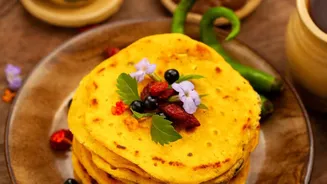
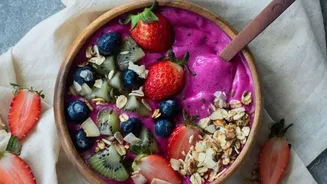
Globalisation hasn't just changed how we work or communicate; it has fundamentally altered our palates. Exposure through travel and social media means that dishes like avocado toast, pancakes, and elaborate smoothie bowls are no longer niche items confined to upscale cafes. They are becoming part of the breakfast vocabulary in many Indian homes. This global influence doesn't necessarily erase local tastes but often merges with them, creating a unique hybrid food culture. This culinary curiosity, combined with rising disposable incomes, has made experimenting with new breakfast formats a common weekend activity for many families.
Startups Stirring the Breakfast Pot
An army of food-tech startups has been instrumental in this breakfast revolution. These companies are filling the gap between home-cooked meals and restaurant-style food by offering a vast array of options. From subscription services delivering fresh batters and pre-portioned meal kits to brands specializing in high-protein snacks and organic cereals, they cater to every specific need. They have recognized that the modern consumer wants it all: health, convenience, taste, and variety. By leveraging technology for direct-to-consumer sales and quick delivery, these startups are making it easier than ever for Indians to try new things and diversify their morning routine.
Tradition, Remixed but Not Replaced
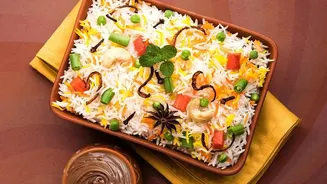
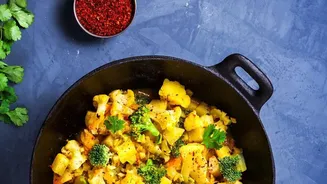
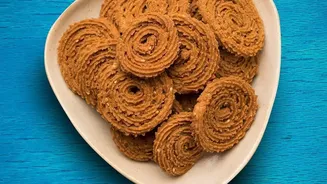
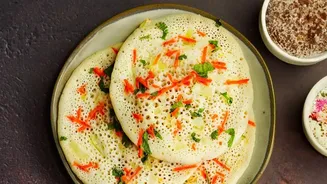
Does this mean the end of the beloved paratha or the humble idli? Far from it. The expansion of the breakfast basket is not about replacement, but addition. Traditional breakfasts remain the heart of the morning meal for a majority, especially in non-metro areas and during weekends when time is more plentiful. What's changing is how even these traditional dishes are prepared. Many are being adapted to fit modern health sensibilities, with innovations like oat uttapam, quinoa poha, or masoor dal chillas gaining popularity. This shows a desire to hold on to familiar tastes while incorporating contemporary health wisdom, creating a breakfast plate that is both comforting and conscious.