






What Exactly is a Cloud Kitchen?
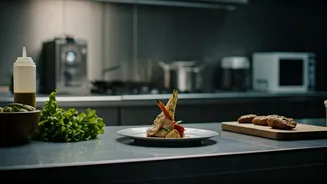
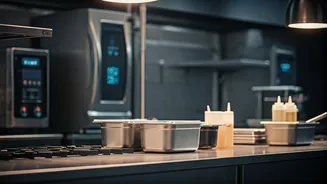
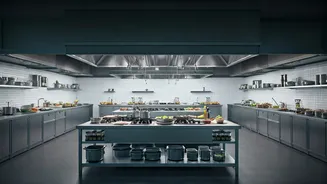
A cloud kitchen, also known as a ghost or virtual kitchen, is a professional food production facility set up to prepare meals exclusively for delivery. [7, 11] There is no dining room, no storefront, and no waitstaff. [9] These businesses operate entirely
online, taking orders through food aggregator apps like Zomato and Swiggy or their own websites. [7, 12] The entire business model is built for the digital age, focusing on cooking and logistics rather than the traditional restaurant experience. [2] This allows a single kitchen to potentially house multiple brands, serving different cuisines to a wide customer base through delivery. [5]
The Low-Cost Lure for Founders
The primary appeal for founders is the significantly lower investment compared to a traditional restaurant. [4, 11] By eliminating the need for a prime location, expensive interiors, and front-of-house staff, entrepreneurs can launch a food business with a fraction of the capital. [2, 4, 12] This asset-light model reduces financial risk, making it an attractive entry point into the competitive food industry. [3] Profit margins can also be higher, with many cloud kitchens operating at 15-25% margins compared to 5-15% for dine-in establishments, and initial investments can often be recovered within 6 to 12 months. [8] The model allows founders to focus on the product—the food—and brand-building in the digital space. [2]
Powered by Platforms and a Changing India
The boom in cloud kitchens is inseparable from the rise of food delivery platforms and broader shifts in Indian society. [5, 12] Aggregators like Swiggy and Zomato have created a ready-made market, providing the technology, customer base, and delivery infrastructure that founders can plug into. [11, 14] This convenience culture is fueled by increasing urbanization, busy lifestyles, and a growing population of young professionals with disposable income who prefer ordering in. [4, 15] The COVID-19 pandemic significantly accelerated this trend, cementing food delivery as a mainstream habit and boosting the cloud kitchen model. [2, 4, 15]
The 'Flex': More Than Just Low Costs
The "flex" of launching a cloud kitchen goes beyond just saving money. It's about being part of a tech-driven, scalable, and modern business model. Founders are drawn to the ability to experiment with different cuisines and brands from a single kitchen, using data to pivot quickly based on customer demand. [4, 5] The multi-brand model is a particularly popular strategy, allowing operators to maximize their kitchen's efficiency by serving, for instance, biryani for lunch, pizza for dinner, and desserts for late-night orders, all under different virtual brand names. [5, 12] Now, advanced technologies like AI-powered demand forecasting and smart inventory management are turning these kitchens into sophisticated food-tech operations. [5, 12, 17]
Reality Bites: The Not-So-Glamorous Side
Despite the hype, the cloud kitchen business is not a guaranteed path to success. The low barrier to entry has created intense competition and market saturation. [10, 14] A significant challenge is the heavy dependence on food aggregators, which charge high commission fees of 20-30% that can severely erode profits. [2, 10, 17] Furthermore, building brand loyalty and customer trust without a physical presence is a major hurdle. [2] Many founders underestimate the complexities of unit economics, and as a result, a high number of cloud kitchens—some estimates suggest 25-30%—fail within their first year. [8, 10, 14]