






The First Big Difference: Refined vs. Cold-Pressed
The most significant factor separating two oils from the same seed is how they are made. Refined oils are extracted using heat and chemical solvents, a process that strips away most of their natural flavour, colour, and nutrients. This results in a neutral-tasting
oil with a long shelf life and often a higher smoke point. On the other hand, cold-pressed oils, often called 'kachhi ghani', are extracted mechanically without high heat or chemicals. This gentle process preserves the oil's natural aroma, taste, and a greater share of its vitamins and antioxidants, but often results in a lower smoke point and a higher price tag. So, the first choice is between a flavourful, nutrient-rich oil (cold-pressed) and a neutral, high-heat stable one (refined).
Why Smoke Point Matters in an Indian Kitchen
The smoke point is the temperature at which an oil begins to break down, smoke, and release harmful compounds called free radicals. This is crucial in Indian cooking, which involves high-heat methods like tadka (tempering spices), stir-frying, and deep-frying puris or pakoras. Using an oil with a low smoke point for high-heat cooking not only ruins the flavour but can also be unhealthy. For example, extra virgin olive oil has a low smoke point (around 160°C) and is best for dressings, not for frying. Refined oils like groundnut, sunflower, and rice bran typically have high smoke points (above 225°C), making them suitable for deep frying. Cold-pressed mustard and groundnut oils have moderate smoke points (around 160-180°C), which are fine for most everyday sautéing and light frying.
Decoding the Health Lingo: MUFA, PUFA, and Saturated Fats
Flipping the pack over reveals terms like MUFA, PUFA, and SAFA. These refer to different types of fats. SAFA (Saturated Fatty Acids) are found in high amounts in coconut oil and ghee. While necessary for energy, they should be consumed in moderation. MUFAs (Monounsaturated Fatty Acids) and PUFAs (Polyunsaturated Fatty Acids) are considered 'good fats' that can help support heart health when they replace saturated fats. Oils rich in MUFAs include olive, groundnut, and mustard oil. PUFAs, which include Omega-3 and Omega-6, are found in sunflower, soybean, and flaxseed oils. The key is balance. No single oil has the perfect profile, which is why some experts suggest rotating different types of oils in your kitchen or using traditionally recommended oils for specific cuisines.
The Right Oil for the Right Dish
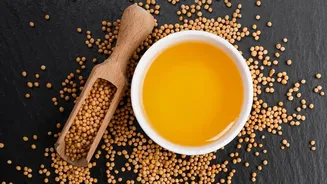
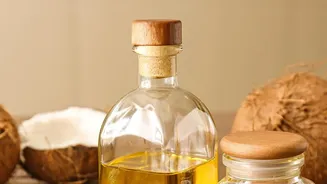
Matching the oil to the cooking method brings out the best in your food. For deep-frying snacks, a neutral-flavoured refined oil like groundnut or rice bran oil is ideal due to its high smoke point. For the pungent, authentic flavour in North Indian pickles and Bengali fish curries, cold-pressed mustard oil is irreplaceable. South Indian cooking often relies on coconut oil for its distinct aroma in curries and appams, used at low to medium heat. Ghee, with its high smoke point and rich flavour, is perfect for dal tadka and smearing on rotis. For salad dressings or drizzling over pasta, the fruity notes of extra virgin olive oil are a perfect fit. Using the right oil doesn't just make your food taste better; it respects the culinary tradition behind the dish.
A Word on Blended and 'Light' Oils
You'll also see blended oils, which combine two or more oils to create a specific fatty acid profile, often marketed for 'balance'. These can be a convenient way to get a mix of MUFAs and PUFAs. However, it's important to check the label to see the percentage of each oil. The term 'Light' on an olive oil bottle refers to its flavour and colour, not its calorie count. It's a refined olive oil with a milder taste and higher smoke point, making it more suitable for everyday Indian cooking than its extra virgin counterpart, but it has the same amount of fat and calories.