


The Summer Cramp Conundrum
Exercising in the heat and humidity presents a unique challenge to the body. You sweat more, which is your body's brilliant way of cooling down. However, this increased sweat rate means you're losing more than just water; you're also losing vital minerals
called electrolytes. This loss is a primary reason why muscle cramps are so common during warmer months. When your body's fluid and electrolyte balance is thrown off, your muscles and nerves can struggle to communicate effectively, leading to those painful, involuntary contractions that stop you in your tracks. Understanding this connection is the first step toward preventing them.
Decoding the Dehydration Dilemma
While we often blame dehydration alone for cramps, the story is more complex. It's really about the balance between fluid and electrolytes. The key players here are sodium and potassium. These minerals are essential for regulating fluid levels in and around your cells, and they play a crucial role in nerve signalling and muscle contractions. When you sweat, you lose a significant amount of sodium, while potassium is also lost to a lesser degree. Simply drinking plain water can rehydrate you, but it doesn't replace these lost electrolytes. In some cases, drinking too much plain water can further dilute the sodium levels in your body, potentially making the problem worse.
Coconut Water's Natural Advantage
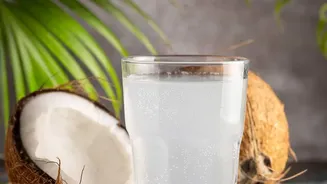
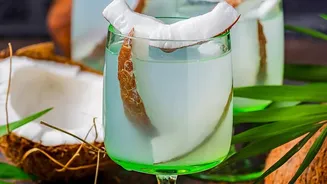
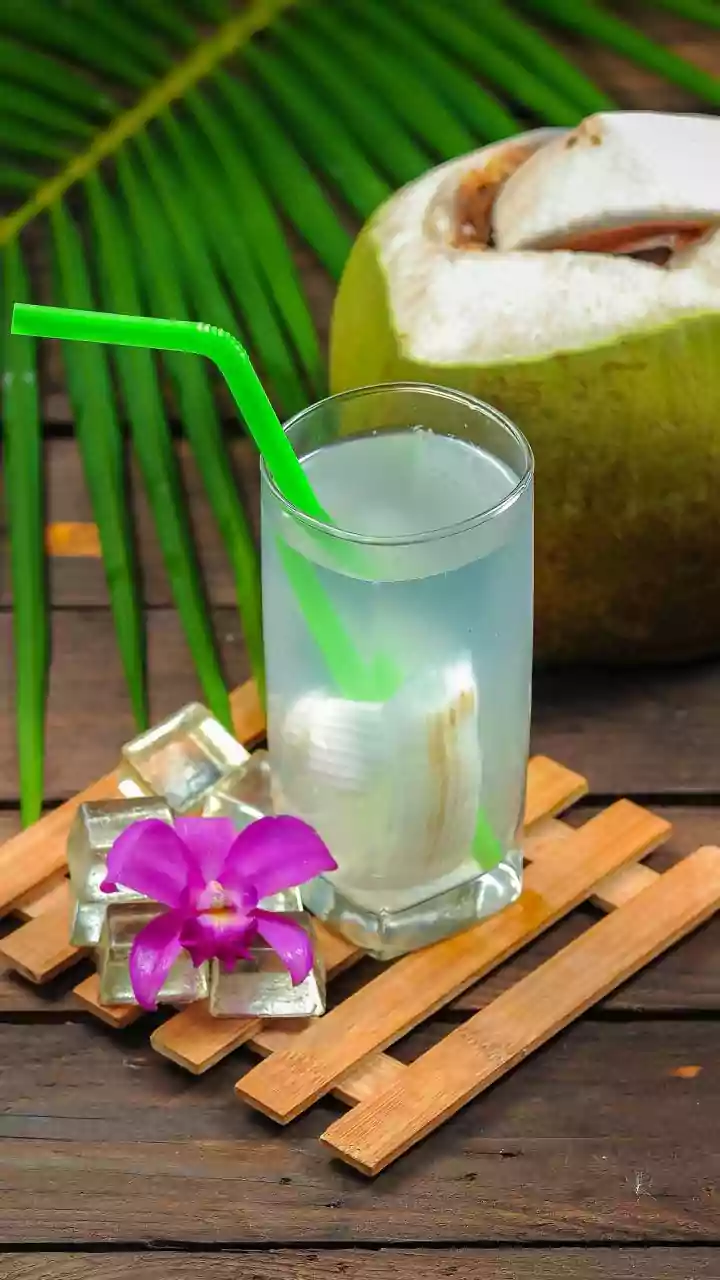
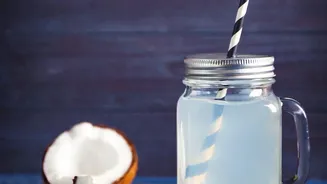
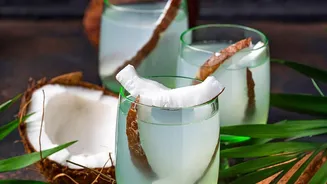
This is where coconut water enters the picture. Often touted as 'nature's sports drink', it's the clear liquid from young, green coconuts. It’s a fantastic natural source of hydration that is low in sugar and contains several electrolytes, most notably potassium. In fact, coconut water boasts more potassium than a banana, a mineral well-known for its role in preventing muscle cramps. It also contains smaller amounts of magnesium and calcium. However, for intense exercise, especially in the heat, coconut water has one significant shortcoming: it is naturally low in sodium, the primary electrolyte you lose through sweat.
The Unsung Hero: Salt
Salt, or more specifically its main component sodium, often gets a bad rap. But for active individuals, it is absolutely essential. Sodium is the most abundant electrolyte in your sweat, and replacing it is critical for maintaining fluid balance, preventing dehydration, and ensuring proper muscle function. When sodium levels drop, it can impair nerve signals and muscle contractions, creating a perfect storm for cramps. By adding a small amount of sodium to your pre-workout drink, you help your body hold onto the fluid you're drinking, ensuring it gets to your cells where it's needed most, rather than being quickly flushed out.
Creating the Ultimate Natural Sports Drink
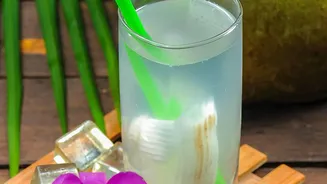
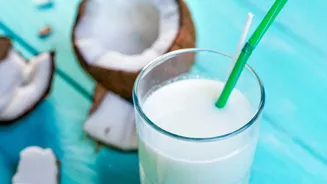
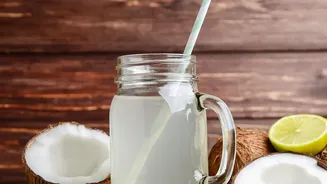
By combining coconut water and a pinch of salt, you create a more complete and balanced electrolyte drink. The coconut water provides fluid, natural carbohydrates for energy, and a significant dose of potassium. The added salt fills the crucial sodium gap, addressing the main electrolyte lost during a sweaty workout. This simple combination effectively mimics the profile of many commercial sports drinks but without the added sugars, artificial colours, or preservatives. It’s a DIY solution that gives your body exactly what it needs to perform and may help reduce the likelihood of cramping.
How to Get the Ratio Right
The key is to not overdo it. You only need a small amount of salt to be effective. A good starting point is a small pinch—about 1/8 of a teaspoon—of high-quality salt like sea salt or Himalayan pink salt for every 250-350 ml glass of pure, unsweetened coconut water. These unrefined salts can also provide other trace minerals. Stir until it dissolves completely. The taste should be barely noticeable; it shouldn't taste like seawater. It's always best to start with less and see how your body responds. This drink is most beneficial when consumed about 30-60 minutes before a workout, especially on days when you know you'll be sweating heavily.