



Why Shoja Offers Perfect Solitude
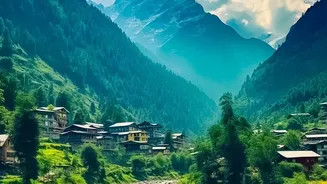
Unlike its bustling counterparts like Shimla or Manali, Shoja remains a relatively untouched gem perfect for those seeking tranquility. Situated at an altitude of over 2,600 meters, this small village is the gateway to the Great Himalayan National Park
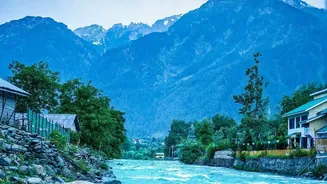
and offers a slower, more immersive mountain experience. Its charm lies not in busy markets but in its dense deodar and oak forests, misty mornings, and the profound silence of the mountains. This makes it an ideal base for hikers who want to connect with nature without navigating crowds. The experience here is less about a checklist of attractions and more about quiet moments, forest walks, and panoramic Himalayan vistas.
The Serolsar Lake Trek: A Classic Reimagined
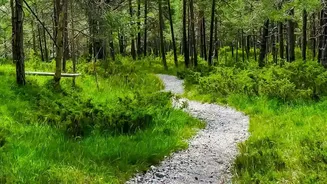
The 5-6 km trek to Serolsar Lake from Jalori Pass is perhaps the most popular route in the area, and for good reason. The trail is a gentle, beginner-friendly walk through a dense forest of oak and rhododendron, leading to a stunning high-altitude lake. But popularity often brings people. To truly enjoy its serenity, timing is everything. Start your trek at the break of dawn. Most tourists and day-trippers from nearby Jibhi arrive later in the morning or early afternoon. An early start ensures you have the peaceful trail and the crystal-clear lake, which holds the sacred Budhi Nagin Temple, almost to yourself. Weekdays are significantly quieter than weekends. Consider packing a flask of tea and some snacks to enjoy by the tranquil waters before the afternoon rush begins.
The Raghupur Fort Trail: For Sweeping Panoramas
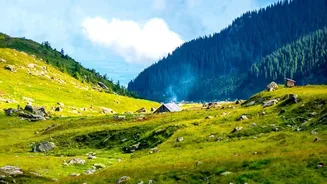
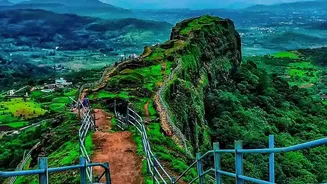
For more dramatic views and a slightly more challenging climb, the trail to Raghupur Fort is an excellent choice. Starting from the opposite side of Jalori Pass, this 3 km trek is steeper and more sustained, which naturally filters out many casual visitors. The path ascends through a thick forest before opening up into a vast, beautiful meadow with the ruins of a historic fort. The real reward, however, is the unobstructed 360-degree panorama of the Dhauladhar and Kinnaur Himalayan ranges. The fort itself was believed to be built by Mandi rulers for protection. This trek takes about 1.5 to 2 hours to ascend and is best done on a clear morning for the sharpest views.
Beyond the Obvious: Exploring Lesser-Known Paths
True solitude lies on the paths less travelled. While Shoja is the main village, smaller hamlets and trails nearby offer an even quieter experience. Explore the area around Pekhari, a traditional village that offers a glimpse into the local way of life. Another option is the short, peaceful walk to the Shoja Waterfall, which is just about 1 km from the main village and perfect for a quiet afternoon. For those with more time, consider treks towards villages like Sarchi or hire a local guide to explore trails within the Great Himalayan National Park's eco-zone. These routes are not prominently marked on tourist maps, ensuring a genuine escape and an authentic Himalayan hiking experience away from everyone.
Strategic Planning for a Crowd-Free Trip
The key to avoiding tourists is visiting during the shoulder seasons. The best times are from April to June for pleasant weather and from September to November for crisp air and clear post-monsoon skies. October, in particular, often offers the best visibility. Avoid the peak holiday periods and long weekends when visitors from nearby cities flock to the region. The monsoon season (July-August) is incredibly lush and misty, creating a magical atmosphere, but trails can be slippery and roads prone to landslides. Winter (December-February) brings heavy snow, which transforms Shoja into a winter wonderland but often closes Jalori Pass, limiting access to the main treks.