



The Annual Problem of Plenty
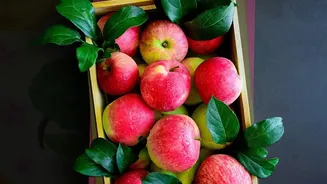
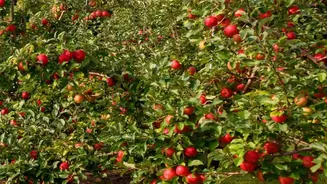
Kashmir, often called the 'apple bowl' of India, produces around 80% of the country's apples, with the industry supporting the livelihoods of an estimated 3.5 million people. Each year, the harvest season between August and November brings a deluge of fresh
fruit. Historically, this glut has been a double-edged sword. With limited and traditional storage options, farmers were forced into distress sales, flooding the market all at once. This oversupply would cause prices to crash, while logistical bottlenecks, like frequent highway closures, meant that a significant portion of the perishable fruit would spoil before ever reaching distant markets. Post-harvest losses were estimated to be as high as 20-30%, a devastating figure for an economy that relies so heavily on this single crop.
The Cold Solution: Controlled Atmosphere Storage
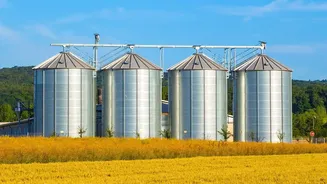
The game-changer has been the widespread adoption of Controlled Atmosphere (CA) storage. Unlike basic refrigeration which only cools the air, CA technology fundamentally alters the storage environment. Inside these sealed, high-tech facilities, oxygen levels are reduced from the natural 20% to as low as 1.5%, while carbon dioxide, temperature, and humidity are precisely managed. This process effectively puts the apples into a state of hibernation, slowing their respiration and ripening processes dramatically. The result is a staggering increase in shelf life, allowing A-grade apples to be stored for up to ten months without significant loss of freshness, texture, or quality. This allows for a regulated supply to markets year-round, breaking the cycle of harvest-season gluts and subsequent price collapses.
Transforming Fortunes and Supply Chains
The impact of modern cold logistics extends far beyond simply preventing spoilage. For farmers, it has provided unprecedented market power and stability. Instead of being forced to sell their entire crop at low, non-negotiable prices during the peak season, they can now store their produce and sell it during the off-season when demand is high and prices are more favorable. This has protected many growers from what would have been devastating losses, particularly when events like highway blockades disrupt traditional transport routes. The growth of these facilities has also created new employment opportunities, not just in operating the stores themselves but also in sorting, grading, and packing, attracting labor from other states.
Lingering Gaps and Future Challenges
Despite the rapid expansion, significant challenges remain. The current CA storage capacity in Kashmir is still well below what is needed to handle all of the region's A-grade apple production. Estimates from early 2026 suggest the existing capacity of around 3-4 lakh metric tonnes can only accommodate about half of the top-quality fruit requiring it. Furthermore, the benefits have not been distributed equally. The high cost of storage can be prohibitive for small and marginal farmers, who may still be forced to sell to larger traders who then reap the profits from CA storage. The system is also vulnerable; events like the 'panic harvest' of 2025, where immature apples were rushed into storage due to bad weather, led to high rates of spoilage because the technology can preserve quality but cannot improve it.