



Wayanad: A Natural Haven for Green Innovation
Wayanad, a green paradise nestled in the Western Ghats of Kerala, is more than just a tourist destination; it's an ecological hotspot. Its rolling hills, dense rainforests, spice plantations, and dramatic waterfalls create a landscape that demands respect.
This inherent natural wealth has inspired a deep-rooted culture of sustainability. Local communities have long understood the importance of living in harmony with their surroundings. It's this ethos that has made Wayanad a fertile ground for eco-tourism, where resorts and homestays are not just built on the land, but as part of it. The philosophy is simple: to create immersive experiences that honour and preserve the very environment that draws visitors in the first place.
The Wisdom of Bamboo Construction
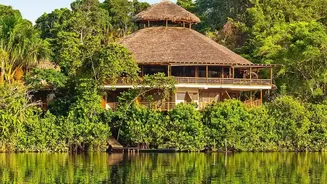
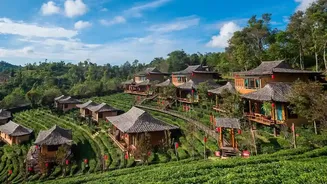
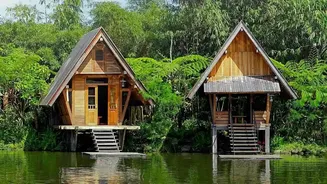
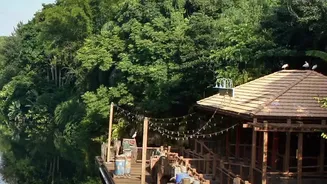
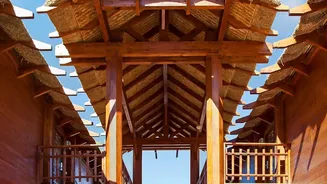
At the heart of this green architectural movement is bamboo. Far from being a simple material, bamboo is a powerhouse of sustainability. It’s a type of grass that grows incredibly fast, requires no pesticides, and releases more oxygen than trees. In construction, it’s prized for its combination of strength, light weight, and flexibility. Many eco-resorts in the region, such as Uravu Bamboo Grove and Bamboo Creek Resort, are built by local craftspeople using this traditional material. These structures, from charming huts to elegant villas, are designed to be eco-friendly and well-ventilated, often offering panoramic views of the landscape. This approach not only minimizes the carbon footprint but also supports local artisans and preserves traditional building techniques passed down through generations.
Harnessing the Monsoon Rains
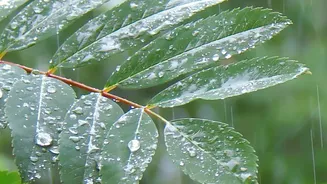
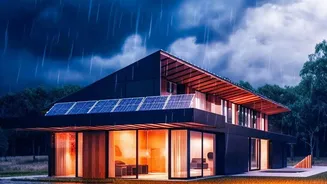
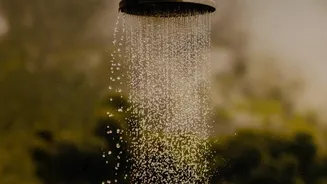
Wayanad is known for its heavy monsoon season. While this abundance of rain brings life to the landscape, it also presents a challenge for water management. Instead of viewing this as a problem, sustainable stays see it as an opportunity. Rainwater harvesting is a key practice at many eco-conscious resorts. This process involves capturing the vast amounts of rainwater that fall on rooftops and directing it for storage and use. It’s a critical component of self-sufficiency, reducing reliance on external water sources and ensuring a stable supply throughout the year. Resorts like AfterTheRains have developed sophisticated systems to funnel this precious resource into underground reservoirs, using it for everything from showers and flushes to irrigating their organic gardens.
An Integrated Design Philosophy
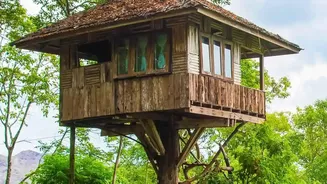
The true genius of these eco-stays lies in how they seamlessly integrate bamboo architecture with rainwater harvesting. The design of the buildings is often central to the water collection process. The natural contours and shapes of bamboo roofs and structures are engineered to channel water efficiently into collection systems. Sometimes, the gutters and channels themselves are crafted from bamboo. The architecture is not just a shelter; it's an active participant in the resort's ecological cycle. Furthermore, many buildings are constructed on stilts. This technique, seen at resorts like Mountain Shadows, minimizes disruption to the ground, allows natural drainage to continue unimpeded, and helps prevent soil erosion—a significant concern in hilly regions like Wayanad. The result is a system where the building cools itself naturally, harvests its own water, and rests lightly on the earth.
The Guest Experience: Luxury with a Conscience
For guests, this thoughtful design translates into a unique and enriching experience. Staying in a bamboo cottage is a sensory delight; the material helps keep interiors cool, eliminating the need for air conditioning, and the connection to the outdoors feels immediate and authentic. Knowing that the water for your shower was collected from the last monsoon downpour adds a layer of appreciation for the resources you are using. Many of these properties, including Banasura Hill Resort—considered Asia's largest 'earth' resort—are built using rammed earth and local materials, further enhancing their eco-credentials. These stays go beyond just building materials, often incorporating organic farms, plastic-free policies, and waste management systems to offer a holistic, sustainable vacation. It’s a form of luxury that isn’t about opulence, but about deep comfort, peace, and a genuine connection to nature.