





Boosting your protein intake doesn't have to mean endless shakes. Protein powder is a versatile kitchen staple that can be seamlessly mixed into meals you already love, making it easier than ever to hit your nutrition goals without extra effort.
1. Morning Oatmeal or Porridge
Starting
your day with a protein-fortified breakfast can keep you feeling full and energized for hours. Oatmeal is the perfect canvas. The key to avoiding a clumpy, chalky mess is in the method. Cook your oats fully on the stovetop or in the microwave first. Then, let them cool for about a minute. While they're resting, mix your scoop of protein powder with a few tablespoons of water or milk in a separate small bowl to create a smooth slurry. Fold this paste into your warm oats. This technique prevents the powder from cooking into lumps when it hits the hot cereal. Flavoured powders like vanilla or chocolate work beautifully, often eliminating the need for extra sweeteners. Plant-based powders tend to absorb more liquid, so you may need an extra splash of milk to get the perfect consistency.
2. Smoothies and Yogurt Bowls
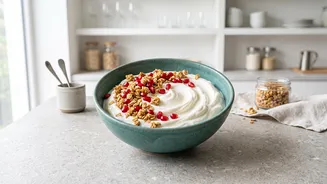
While a protein shake is a classic, blending powder into a smoothie or stirring it into yogurt creates a more substantial and satisfying meal or snack. For smoothies, adding a scoop of protein along with fruit, vegetables, and a liquid base like milk or a milk alternative is simple. To enhance texture, include a creamy element like a frozen banana, a spoonful of nut butter, or Greek yogurt. For yogurt bowls, you can easily stir a scoop of flavoured or unflavoured protein powder directly into a serving of Greek yogurt. This instantly increases the protein content, turning a light snack into a powerhouse that supports muscle health and keeps you full. Try pairing vanilla protein with berries for a cheesecake-like flavour or chocolate protein with a drizzle of peanut butter for a decadent treat.
3. Soups and Sauces
One of the most overlooked uses for protein powder is in savoury dishes. Unflavoured protein powder can be whisked into soups and sauces to boost nutrition without altering the taste. This works especially well in creamy or puréed soups, such as tomato, butternut squash, or potato. Just as with oatmeal, the slurry method is your best friend here. Mix the powder with a small amount of cool water or broth until smooth before stirring it into the larger pot at the end of the cooking process, preferably with the heat turned off. This prevents the protein from denaturing and clumping due to high heat. Adding protein can also act as a natural thickener for your soup or sauce, giving it a richer, more satisfying consistency.
4. Pancakes and Baked Goods
You can add a nutritional punch to weekend pancakes, muffins, and other baked goods by incorporating protein powder. However, you can't simply swap it one-for-one with flour. Doing so will likely result in a dry, rubbery texture. A good rule of thumb is to replace about one third of the flour in a recipe with protein powder. Since protein powder absorbs a lot of liquid, you'll also need to increase the moist ingredients in your recipe, such as milk, oil, eggs, mashed banana, or applesauce. When adding it to a batter, mix the protein powder with the other dry ingredients first to ensure it's distributed evenly before adding the wet ingredients. Bake at a slightly lower temperature, as protein-fortified goods tend to brown faster.