







Prioritise Ventilation and Airflow
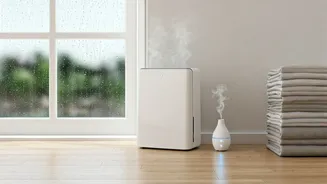
The most fundamental step against monsoon odours is to keep the air moving. Stagnant, humid air is the primary cause of that musty smell. Whenever there's a break in the rain, open windows and doors to allow for cross-ventilation, which helps push out
damp air and reduce moisture buildup. [7] Using exhaust fans in moisture-prone areas like kitchens and bathrooms is crucial. If you don't have one, even running a ceiling or pedestal fan can significantly improve air circulation and prevent mould from settling in. [14, 18] Don't let your home stay sealed up; fresh air is your first and best defence.
Harness the Power of Natural Deodorisers
Instead of masking smells with chemical air fresheners, use natural ingredients to absorb moisture and neutralise odours at the source. Placing bowls of baking soda or activated charcoal in damp corners, cupboards, and shoe racks can be highly effective. [14, 12] White vinegar is another powerful, natural deodoriser; a bowl left in a room can absorb musty smells. [7] For a pleasant fragrance, consider simmering cinnamon sticks and orange peels on the stove, or using essential oil diffusers with scents like tea tree, eucalyptus, or lemongrass, which also have purifying properties. [3, 5]
Take Special Care of Wardrobes and Clothing
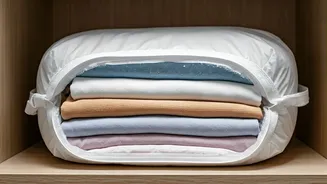
Closets are notorious for trapping moisture, leading to mould on clothes. [9] Don't let damp or sweaty clothes pile up in the laundry basket, as this creates a perfect environment for mildew. [13] To protect stored garments, place moisture absorbers like silica gel pouches or chalk inside your wardrobes. [4, 9] Natural repellents such as neem leaves or small cloth sachets filled with cloves not only ward off insects but also help keep clothes smelling fresh. [13, 9] After washing, ensure clothes are completely dry before putting them away. Ironing can help remove any last traces of moisture. [13]
Don't Forget Carpets and Upholstery
Fabrics like carpets, rugs, and sofa upholstery are magnets for moisture and odours. [2] If possible, it's a good idea to roll up and store away heavy carpets during the monsoon. [5] For upholstery that smells damp, sprinkle a generous amount of baking soda over the surface, let it sit for several hours to absorb the odour, and then vacuum it up thoroughly. [7, 2] Adding a half cup of vinegar to your laundry when washing curtains or cushion covers can also help eliminate stubborn musty smells. [4]
Manage Kitchen and Bathroom Moisture
Kitchens and bathrooms are hotspots for odours due to constant water usage. Ensure drains are clean and unclogged to prevent foul smells from stagnant water. [15, 18] Regularly wipe down kitchen counters and sinks, ensuring they are completely dry, as leftover moisture invites mould. [16] In bathrooms, squeegee or wipe down shower walls after use to reduce condensation. [19] Leaving the bathroom door open and using an exhaust fan for at least 15 minutes after a shower can make a huge difference in controlling humidity. [19]
Maximise Sunlight Whenever Possible
While sunny days can be rare during the monsoon, you should take full advantage of them when they appear. Sunlight is a natural disinfectant and the most effective way to kill germs and eliminate dampness. [14, 9] On a bright day, open up all your windows and curtains. Air out cushions, mattresses, shoes, and even books in direct sunlight to remove any lingering moisture and musty smells. [14, 9] Opening wardrobe and cabinet doors on a sunny day also helps to circulate air and dry out enclosed spaces. [5]