
What Exactly Is Home Enrichment?
Home enrichment is the practice of making your pet's living space more interesting and engaging to satisfy your psychological and physical needs. For dogs and cats that spend most of their time indoors, life can become monotonous. Enrichment provides
the mental and sensory stimulation they would naturally encounter in the wild, helping to prevent boredom and the behavioural issues that can arise from it. It's not about spoiling them with expensive toys, but about thoughtfully creating opportunities for them to use their brains and bodies in ways that are natural to their species, such as hunting, foraging, and exploring.
The Benefits of a Stimulated Pet
A bored pet is often an unhappy pet. A lack of stimulation can lead to a host of problems, including destructive behaviours like chewing furniture, excessive barking or meowing, anxiety, and even depression. By incorporating enrichment into their daily routine, you can significantly improve your pet's quality of life. The benefits are numerous: it reduces stress and anxiety, improves cognitive function, promotes better physical health by encouraging activity, and strengthens the bond between you and your pet. Essentially, a mentally stimulated pet is a more content and well-behaved companion.
Enrichment Ideas for Indoor Dogs
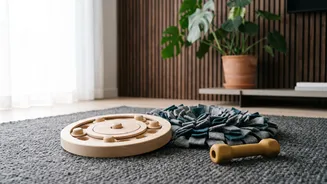
Dogs, especially intelligent breeds, need jobs to do. Apartment living can limit physical activity, but there are many ways to keep them engaged. One of the most effective methods is through food. Instead of just placing a bowl down, use puzzle feeders or treat-dispensing toys that make your dog work for their meal. Scent work is another fantastic activity; you can hide treats around a room and encourage your dog to 'find it'. Teaching new tricks, playing hide-and-seek, or creating a simple indoor obstacle course are also great ways to provide both physical exercise and mental challenges. Even rotating their toys every few days can make old ones seem new and exciting again.
Stimulating Your Indoor Cat’s Mind
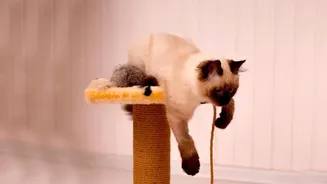
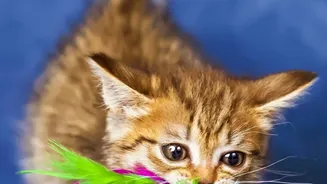
Cats are natural hunters, and their instincts don't disappear just because they live indoors. To keep a cat happy, you need to cater to these instincts. Interactive play with wand toys that mimic the movement of prey is crucial. Providing vertical spaces is also key; cat trees or shelves allow them to climb and observe their territory from a high vantage point. Setting up a 'cat TV' by placing a bird or squirrel feeder outside a window can provide hours of visual stimulation. Like dogs, cats also benefit from food puzzles, which encourage their natural foraging behaviour and make mealtimes more engaging.
DIY Enrichment on a Budget
Enrichment doesn't have to be expensive. Many of the best tools can be made from items you already have at home. A simple 'snuffle mat' can be created by tying fleece strips to a rubber mat or by rolling up treats in an old towel. Empty cardboard boxes can become a free and exciting fort for cats to explore or a treasure hunt for dogs when filled with scrunched paper and hidden treats. You can turn an empty toilet paper roll into a puzzle feeder by filling it with kibble and folding the ends. A muffin tin with treats in the cups, covered by tennis balls or toys, becomes an excellent problem-solving game for a dog. The key is creativity and understanding what your pet enjoys.