






The Air Travel Revolution
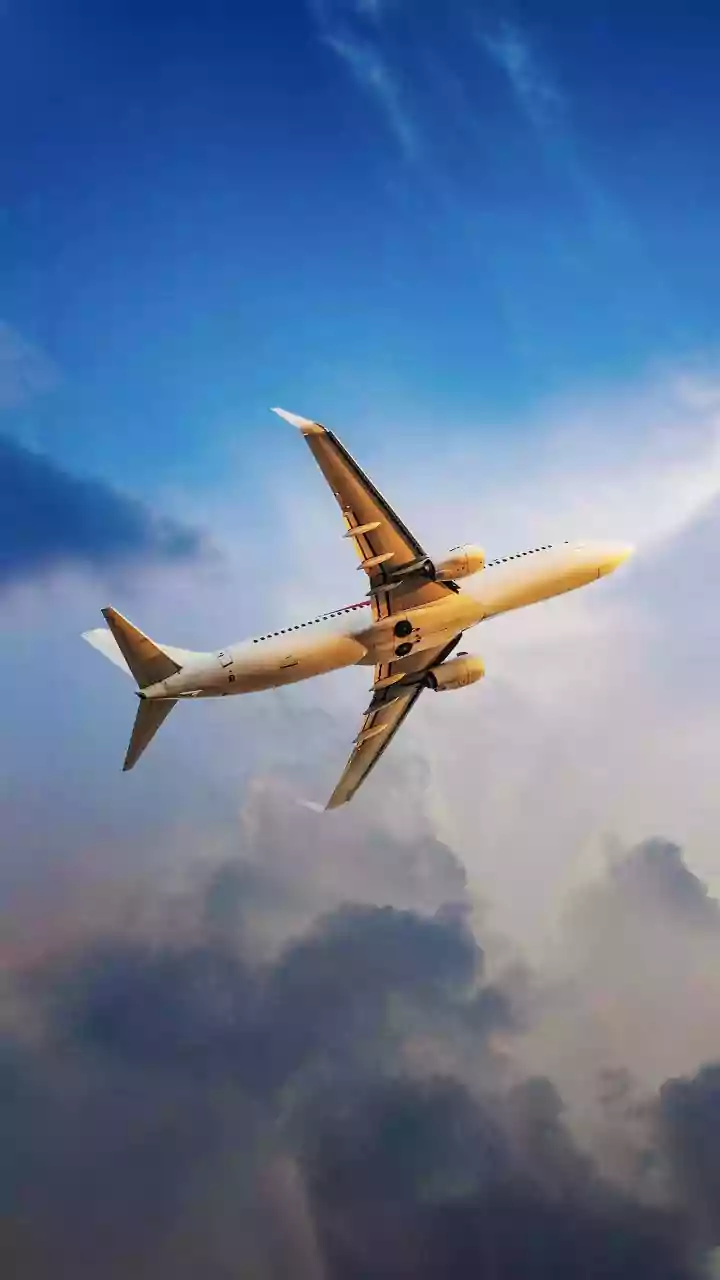
Flying into the Northeast is no longer limited to Guwahati. The number of airports in the region has nearly doubled, growing from nine to 17 in recent years. The UDAN (Ude Desh ka Aam Nagrik) scheme has been a game-changer, operationalising dozens of new
routes to previously underserved or unserved airports. In Arunachal Pradesh, the Donyi Polo Airport (HGI) at Itanagar, inaugurated in late 2022, is now the state's first full-fledged, all-weather airport. It offers direct flights to major cities like Delhi, Mumbai, and Kolkata via carriers like IndiGo and regional connectivity through Alliance Air. This significantly cuts down travel time for those heading to popular destinations like Ziro Valley. However, not all new airports have had smooth journeys. Sikkim's Pakyong Airport (PYG), while an engineering marvel, has faced consistent operational issues due to weather and visibility, with flight services suspended since June 2024. For reliable access to Sikkim, most travellers still fly into Bagdogra (IXB) in West Bengal and undertake the four-hour drive to Gangtok. Discussions to revive smaller aircraft services to Pakyong are ongoing, but for now, Bagdogra remains the primary air gateway.
Riding the Rails to the Hills
The Indian Railways is aggressively expanding its network to connect all eight state capitals of the Northeast. Massive budgetary allocations have accelerated projects that were once distant dreams. One of the most ambitious projects is the 111-km Jiribam-Imphal line, which will bring Manipur's capital onto the national railway map. Though facing a revised completion target of December 2028, the project has achieved significant physical progress. This line features remarkable engineering, including what will be India's longest railway tunnel and the world's highest railway pier bridge. The Northeast Frontier Railway (NFR) has also focused on electrification, with over 95% of its network now electrified, allowing for faster and cleaner train travel. Recently, the first Mainline Electric Multiple Unit (MEMU) train service was launched between Agartala in Tripura and Karimganj in Assam, improving daily commute for thousands. The capitals of Arunachal Pradesh, Tripura, and Mizoram are already connected to the broad-gauge network, and work in Nagaland and Sikkim is progressing steadily.
The All-Weather Road Network
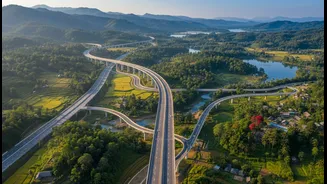
For many, road trips are the best way to experience the Northeast's stunning landscapes. This experience is being transformed by a massive highway construction and upgradation program managed by agencies like the National Highways and Infrastructure Development Corporation Ltd (NHIDCL) and the Border Roads Organisation (BRO). The most celebrated recent development is the Sela Tunnel in Arunachal Pradesh. Inaugurated in March 2024, this tunnel at 13,000 feet provides all-weather connectivity to the strategically important Tawang region, bypassing the treacherous Sela Pass which was often closed due to snow. This has made travel safer and reduced the journey time between Dirang and Tawang significantly, boosting both tourism and local economies. Elsewhere, National Highway-37, connecting Imphal to Jiribam in Assam, is being upgraded to an all-weather road, with a target for completion by December 2026. While this highway has historically been arduous, its upgradation is crucial, especially when the preferred NH-2 is affected by blockades. Despite progress, challenges remain, with commuters sometimes criticising the pace and quality of maintenance on certain stretches.
Planning Your Northeast Journey
While connectivity has improved dramatically, travelling in the Northeast still requires planning. The new infrastructure has made the region more accessible, but the 'last mile' can still pose challenges. For travellers, this means factoring in buffer days, especially when travelling to remote areas. Shared taxis and local buses remain the backbone of intra-state travel. For culture-focused tourists, the new roads and airports open up access to far-flung monasteries, unique festivals, and remote tribal villages that were previously very difficult to reach. Residents benefit from reduced travel times and a more reliable supply of goods, which can help stabilise prices, particularly in winter. The key takeaway for any traveller is to verify the latest information. Flight schedules can change, especially at weather-sensitive airports, and road conditions can vary during the monsoon. Check the operational status of airports and inquire about road conditions locally before setting out. This combination of new infrastructure and smart, flexible planning is the key to unlocking the incredible experiences the Northeast has to offer.