






Decoding Monsoon Hotel Prices
The price you see one day for a hotel room can feel worlds apart from the price you see the next. This isn't random; it's dynamic pricing. Hotels adjust rates in real-time based on demand, occupancy, and even local events. During the monsoon, a long weekend
or a spell of good weather can cause prices in popular spots like Lonavala, Munnar or Coorg to surge. Conversely, rates may drop during weekdays or periods of heavy rain. The key takeaway for travellers is that the old model of fixed 'off-season' rates is fading. Instead, pricing is fluid. Understanding this helps you strategise. Booking well in advance can sometimes lock in a lower rate, but monitoring prices for last-minute deals during anticipated lulls can also yield significant savings. Always check for hidden costs like taxes and service fees, which can inflate the final bill considerably.
The Power of a Flexible Booking
The monsoon's biggest charm is also its biggest challenge: unpredictability. Sudden downpours can lead to waterlogged roads, flight delays, or cancelled trains, disrupting even the best-laid plans. This is where flexible booking options become your most valuable travel accessory. A flexible booking allows you to modify or cancel your reservation without facing heavy penalties, offering crucial peace of mind. While a non-refundable room might seem cheaper initially, paying a small premium for a flexible rate is an investment against losing your entire booking cost due to unforeseen weather events. When booking, look for terms like "free cancellation" and check the fine print for the exact deadline, which is often 24 to 48 hours before check-in. This adaptability allows you to pivot your plans, turning a potential travel disaster into a minor detour.
Swap Crowds for Charm: Quieter Destinations
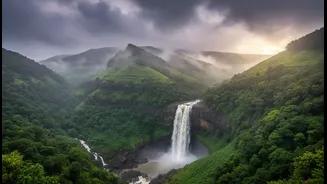
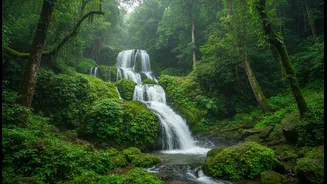
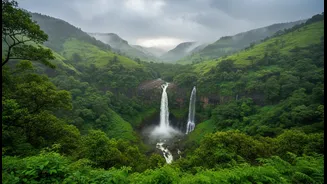
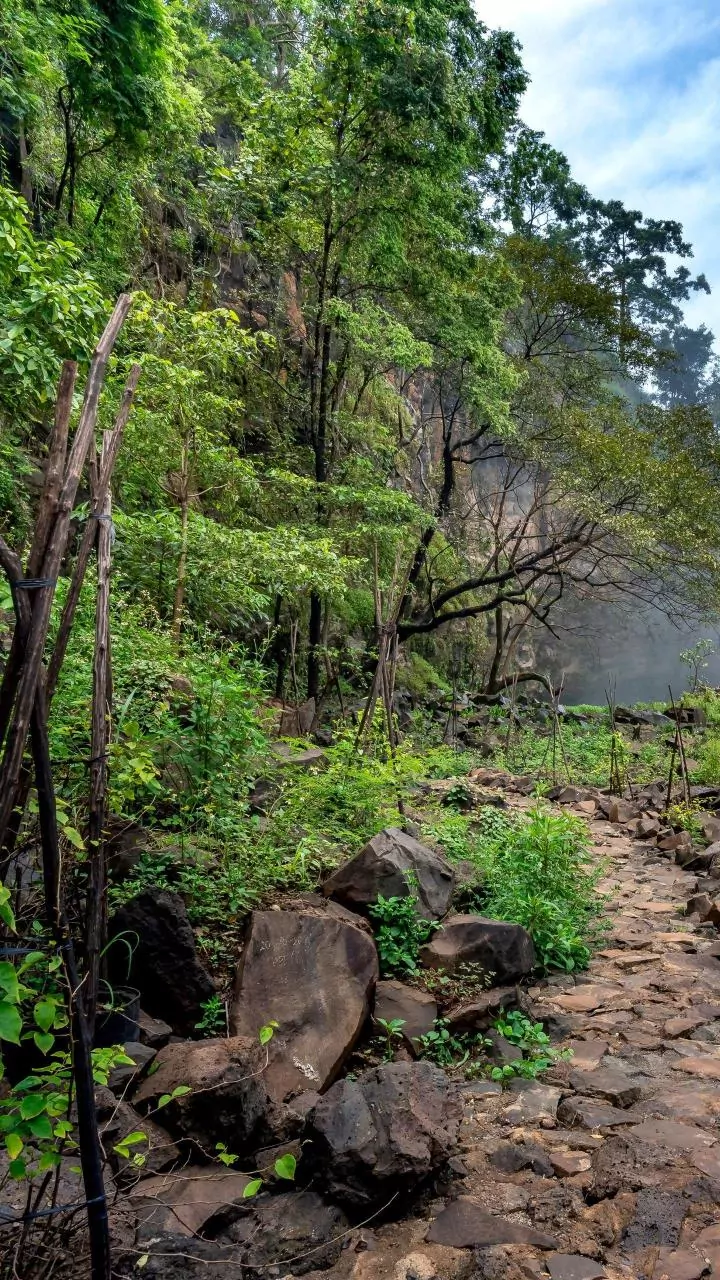
While popular destinations like Lonavala and Goa see a huge influx of tourists, the monsoon is the perfect time to explore India’s quieter corners. The true magic often lies in places that offer the same lush beauty without the crowds. In Maharashtra, consider swapping the Lonavala traffic jams for the misty ghats of Malshej Ghat, the serene lakes of Bhandardara, or the waterfalls of Igatpuri. In the south, instead of the busiest hubs, explore the pristine rainforests of Agumbe in Karnataka, the tranquil tea estates of Valparai in Tamil Nadu, or the serene backwaters of Kumarakom in Kerala. Rajasthan's sole hill station, Mount Abu, becomes a green oasis, offering a unique monsoon experience in a desert state. These offbeat locations not only provide a more peaceful retreat but also often come with more stable pricing and a chance for a more authentic local experience.
Pro-Tips for a Smarter Booking
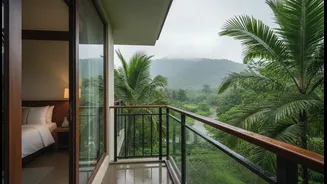
Securing the right stay is about more than just finding a good price; it's about ensuring a smooth experience. First, prioritise location based on your interests, not just a pin on a map. A hotel's proximity to the sights you want to see can save you time and transport hassles. Secondly, don't just trust the official photos; read recent guest reviews. They provide unfiltered insights into cleanliness, service, and whether the room matches the pictures. For monsoon travel, it's wise to book hotels with reliable power backup. Finally, compare prices between booking platforms and the hotel's own website. Sometimes, booking direct can unlock exclusive deals or better cancellation terms. Don't be afraid to look beyond traditional hotels; homestays and boutique guesthouses can offer a more personal and memorable stay.