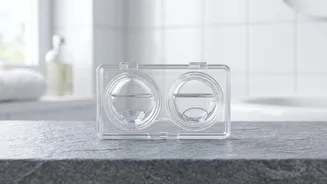






For those who wear contact lenses, the desire to see clearly while enjoying a swim is a common dilemma. But is it safe? Exposing lenses to water isn't just a matter of comfort; it poses real risks to your eye health that are easy to avoid.
The Dangers Lurking in Water
The fundamental
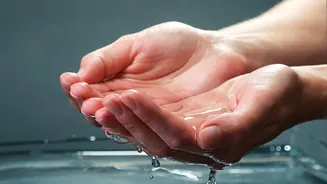
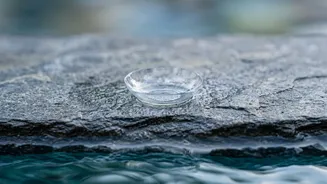
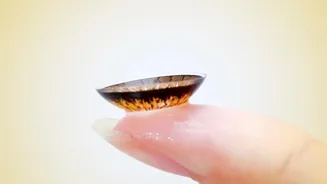
rule of contact lens care is to keep them away from any non-sterile water. Whether it's a swimming pool, lake, ocean, or even your shower at home, water is teeming with microorganisms. Soft contact lenses are porous and can act like a sponge, absorbing and trapping these microbes directly against the surface of your eye. This exposure dramatically increases your risk of developing painful eye infections, irritation, and corneal ulcers. Furthermore, water can cause a soft lens to swell, change shape, or stick to the cornea, causing discomfort and even microscopic scratches that make your eye more vulnerable to infection.
A Serious Infection: Acanthamoeba Keratitis
One of the most serious risks is an infection called Acanthamoeba keratitis. It's caused by a microscopic amoeba commonly found in tap water, pools, oceans, and soil. While the infection is rare, it is most common among contact lens wearers and can be incredibly severe. Acanthamoeba can cause extreme pain, permanent vision loss, and in some cases, may require a corneal transplant to resolve. The U.S. Centers for Disease Control and Prevention (CDC) explicitly warns that wearing contacts while swimming or showering increases the risk of this sight-threatening infection.
Goggles: Your First Line of Defence
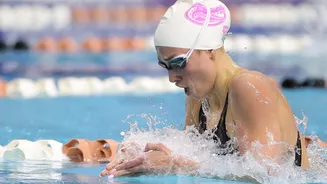
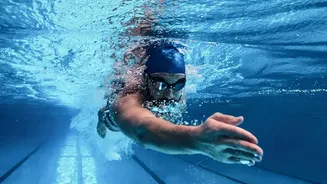
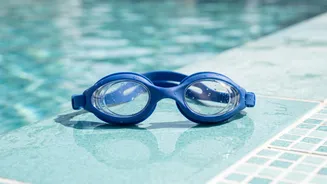
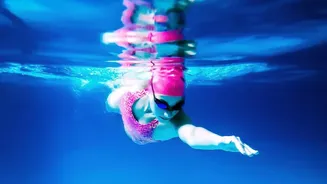
So, how can you swim safely while still seeing clearly? The answer is simple: waterproof swimming goggles. High-quality, well-fitting goggles create a seal around your eyes, providing a crucial barrier between the water and your contact lenses. This barrier drastically reduces the chance of contamination from bacteria and other pathogens. While no solution is entirely foolproof, as goggles can sometimes leak, they are considered the most effective way to lower your risk if you must wear contacts in the water. Ensuring your goggles fit snugly is key to their effectiveness.
Best Practices for Lens-Wearing Swimmers
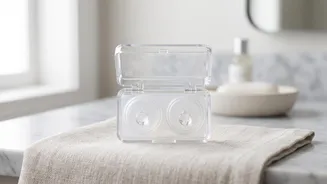
If you choose to swim with contact lenses and goggles, following strict hygiene practices is non-negotiable. Opt for daily disposable lenses if possible; you can simply discard them immediately after you finish swimming, minimising any prolonged exposure to contaminants that may have seeped in. If water does get into your eyes, remove your lenses as soon as possible with clean, dry hands. After swimming, it's a good idea to give your eyes a break by switching to glasses. Never, under any circumstances, store or rinse your lenses in tap water.
Consider Prescription Swimming Goggles
For frequent swimmers, an even safer and more convenient alternative is to invest in a pair of prescription swimming goggles. This option eliminates the need for contact lenses in the water altogether, removing the associated risks of infection and irritation. Custom_made to your specific vision correction needs, they work just like your regular glasses, allowing you to see clearly underwater without any of the worry. While they represent an initial investment, they are the safest way for anyone with a refractive error to enjoy the water with perfect vision.