




The Quest for Quiet
For many travellers, especially on long-haul flights, the ability to rest is paramount. Your seat location plays a huge role in the amount of noise you'll endure. Generally, the front of the aircraft cabin is quieter than the back because you are further
away from the roar of the engines. Seats near the wings may offer a smoother ride during turbulence but will still have noticeable engine noise. The biggest culprits for disruptive noise, however, are the high-traffic areas: the galleys and lavatories. Galleys are hubs of activity for the crew, meaning constant chatter, clanking carts, and meal preparation sounds. Lavatories bring their own symphony of flushing toilets and congregating passengers. For a more peaceful journey, select a seat that is several rows away from these service areas. A window seat also tends to be slightly quieter than an aisle seat, as it provides a small buffer from the noise and activity in the cabin aisle.
Control Over Light and Views
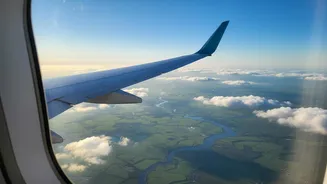
If you're a traveller who loves gazing at the clouds or wants to manage your exposure to daylight, the window seat is your undisputed champion. It gives you sole control over the window shade, allowing you to either bask in the sun or create a dark environment for sleeping. This can be a significant advantage, especially on long overnight flights where you want to minimise light to combat jet lag. The downside is that you might feel colder next to the window. An aisle seat, on the other hand, offers no control over natural light. You are also more exposed to the cabin's ambient lighting, which can be turned on and off for service, and the glow from screens of other passengers or lights from the galley. Those in the middle seat get the worst of both worlds: no control and potential light spill from both sides.
Avoiding Aisle Traffic and Disturbances
The primary benefit of an aisle seat is freedom. You can get up to stretch your legs or use the lavatory without having to climb over your neighbours. This easy access is a major plus for restless travellers or those who need to move around frequently. However, this freedom comes at a cost: constant disruption. Aisle seats are exposed to every passing passenger and service cart. Expect to be bumped by people walking down the aisle, and be prepared to move your feet or knees every time the food and beverage cart rolls by. Window seat occupants are shielded from this foot traffic, offering a more secluded and uninterrupted space, which is ideal for working or sleeping. If you're in a window seat, though, you will have to disturb your seatmates whenever you need to get up.
Special Seats: Bulkhead and Exit Rows
Beyond the standard choices, bulkhead and exit row seats present their own unique set of pros and cons. Bulkhead seats are those located directly behind a cabin divider wall. They often offer extra legroom since there's no seat in front of you to recline into your space. However, this also means there is no under-seat storage for your personal items during takeoff and landing. Some passengers also find the immovable armrests, which often contain the tray table, to be slightly narrower. Exit row seats are famous for their generous legroom, which is a huge plus on any flight. However, you must be willing and able to assist in an emergency, and your bags must be stored in the overhead bin for takeoff and landing. These seats can also be colder.
Adapting to Trains and Buses
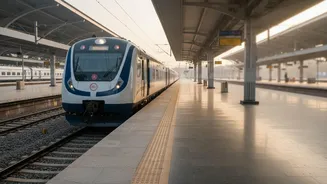
The same principles largely apply to train and bus travel, which are central to getting around India. On Indian Railways, for example, choosing a berth away from the doors of the coach can reduce noise and foot traffic from people moving between carriages or getting on and off at stations. In sleeper classes, an upper berth offers more privacy and is less likely to be disturbed, while a lower berth is more convenient for senior citizens and those with mobility issues but may be used as a bench by other passengers during the day. On buses, seats located directly over the wheels can result in a bumpier ride. As with planes, seats near the front of a bus or train car often provide a smoother experience and quicker exit upon arrival.