




The Green Slime Struggle
Coriander, or dhaniya, is the backbone of Indian cooking. It’s the fresh, pungent finish to a dal, the vibrant green in a chutney, and the essential garnish that tells you a dish is ready. Yet, it’s also one of the most perishable herbs in our vegetable
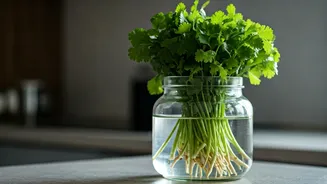
baskets. The frustration is universal. You pay good money for a beautiful bunch, only for it to wilt and decay in the crisper drawer of your refrigerator, often before you’ve had a chance to use it all. This cycle of waste feels both inevitable and infuriating. We’ve all tried the usual tricks: wrapping it in newspaper, sticking it in a glass of water on the counter, or just hoping for the best. More often than not, these methods end in disappointment.
The Viral Hack Changing the Game
Lately, a brilliantly simple method has been taking over social media feeds, from Instagram Reels to WhatsApp family groups. Home cooks across the country are swearing by a technique that keeps their dhaniya fresh, crisp, and green for not just days, but sometimes weeks. It doesn't require any fancy gadgets or expensive equipment—just a few common household items and a couple of minutes of prep time. The secret lies in controlling moisture and creating the perfect micro-environment for the delicate herb. This method tackles the two main enemies of fresh coriander: excess moisture on the leaves, which causes rot, and dehydration of the stems, which leads to wilting.
A Step-by-Step Guide to Freshness
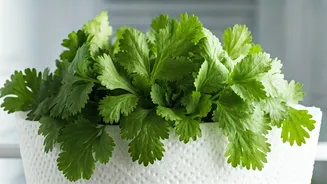
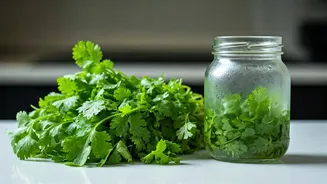
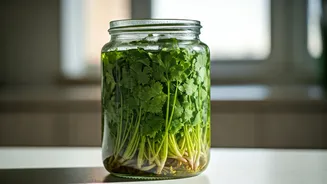
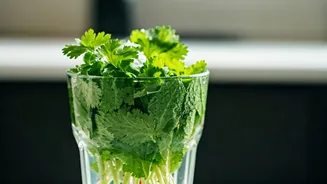
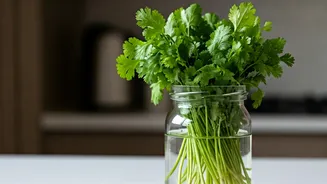
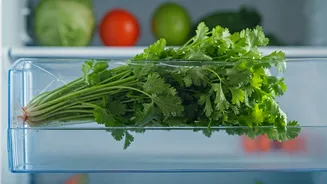
Ready to say goodbye to wilted coriander? Here is the complete breakdown of the viral storage hack. Follow these steps precisely for the best results. First, and this is crucial, do NOT wash the coriander before storing. Washing introduces excess moisture that will accelerate spoilage. You should only wash the amount you are about to use, right before cooking. Second, inspect the bunch and remove any yellow or slimy leaves. These can spread rot to the rest of the bunch. Next, take a sharp knife and trim about half an inch off the bottom of the stems. This allows the stems to absorb water more efficiently, much like fresh-cut flowers. Third, take a sheet of paper towel and dampen it slightly. It should be moist, not dripping wet. Gently wrap the damp paper towel around the trimmed ends of the dhaniya stems. This will provide a steady, slow source of hydration. Finally, place the entire bunch, with its paper-towel-wrapped base, into an airtight container or a zip-lock bag. Don’t pack it in too tightly. Seal the container and place it in your refrigerator’s crisper drawer. That's it.
Why This Simple Method Works Wonders
The genius of this hack is in its simple science. The damp paper towel provides just enough moisture to keep the stems hydrated and the leaves perky, preventing the entire bunch from wilting. By not washing the leaves, you avoid the surface moisture that encourages bacterial and fungal growth, which is what turns the leaves into that familiar green slime. The airtight container serves two purposes. It prevents the moisture from the paper towel from evaporating too quickly, and it also protects the coriander from the ethylene gas produced by other fruits and vegetables in your fridge. Ethylene is a natural ripening agent that can cause leafy greens to decay much faster. By creating this sealed, perfectly balanced environment, you are effectively putting the coriander in a state of suspended animation, preserving its freshness and flavour.
Common Mistakes to Avoid
To ensure maximum longevity for your dhaniya, be mindful of a few common pitfalls. The biggest mistake is storing the leaves wet. Even a little bit of residual water on the leaves can lead to rot within a day or two. Another error is chopping the coriander before storing. Once chopped, the leaves lose moisture rapidly and their volatile oils begin to dissipate, which means you lose flavour. Always store it whole. Finally, avoid using a container that is too small. Crushing the leaves will bruise them and lead to faster decay. Give your dhaniya bunch some breathing room. If you follow the steps correctly and avoid these mistakes, you can expect your coriander to last for up to two, or even three, weeks.