



Munnar, India: The Misty Tea Paradise
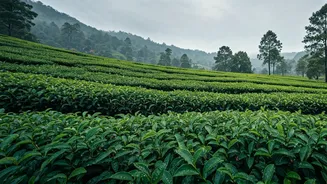
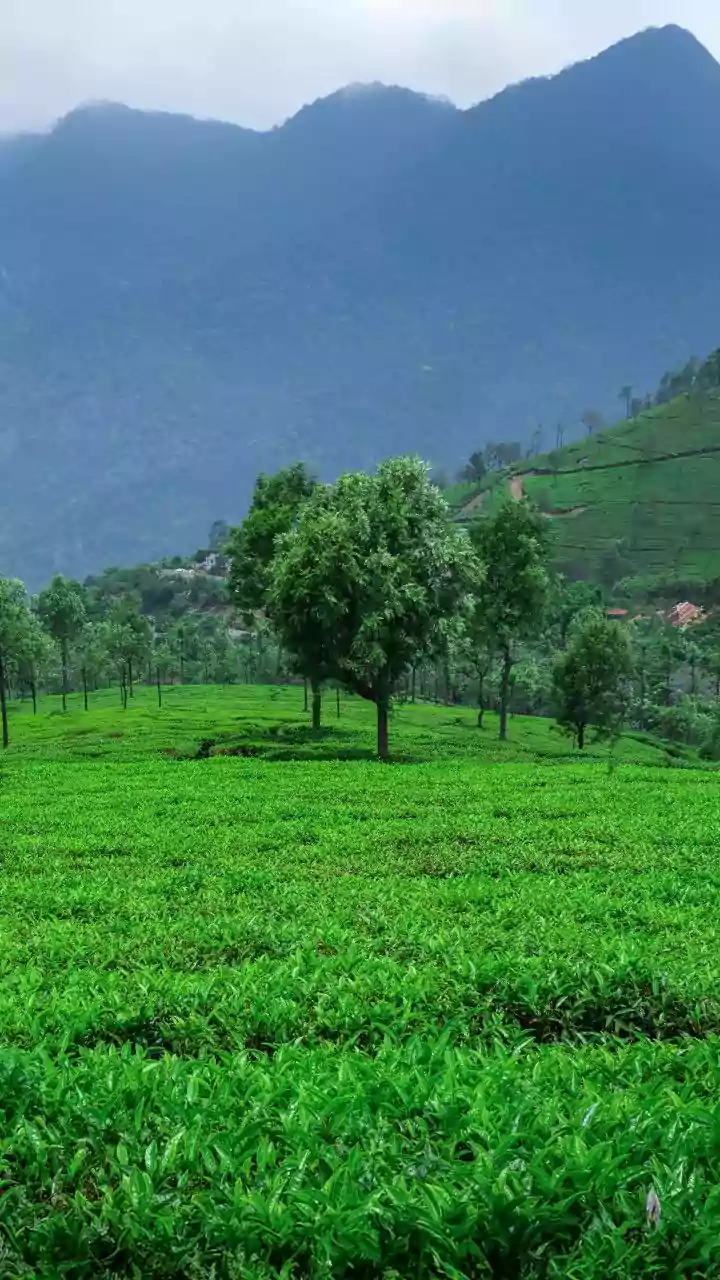
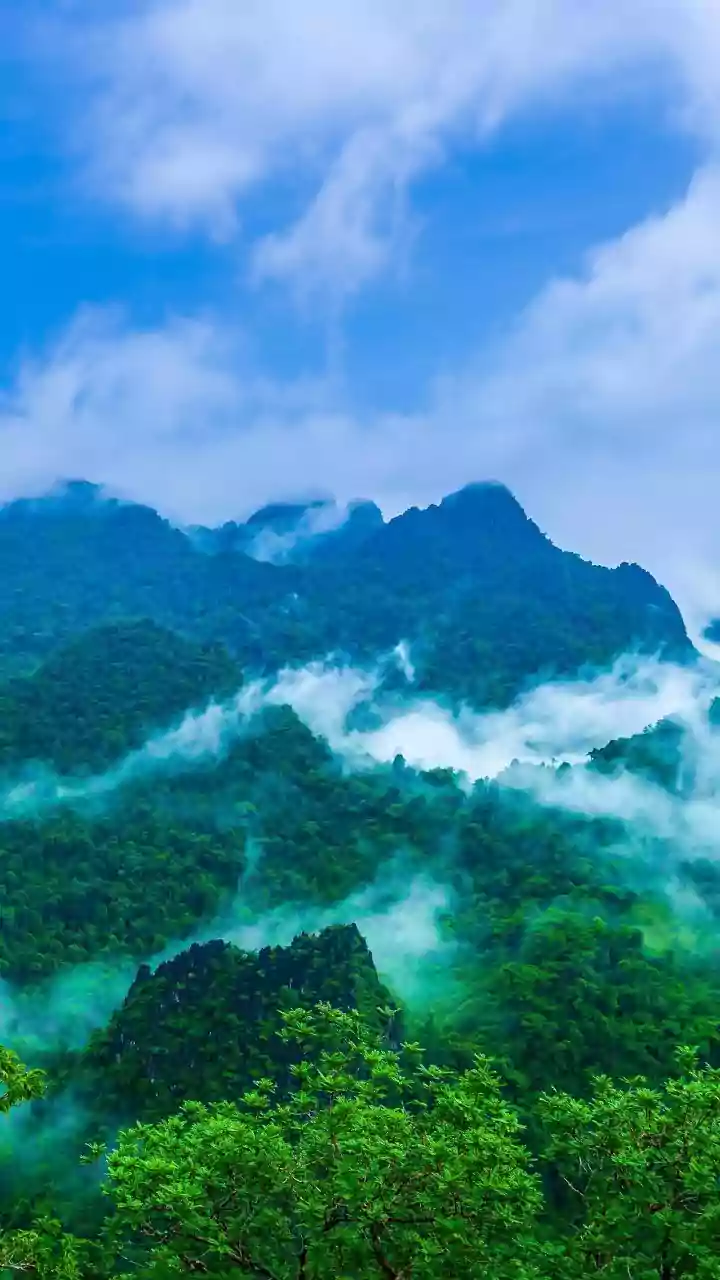
Imagine waking up in a quiet bungalow, wrapped in a blanket with a cup of fresh-brewed tea, as mist swirls over rolling hills of green. This is Munnar during the monsoon. Located in the Western Ghats of Kerala, this hill station sheds its tourist-heavy
skin from June to September and transforms into an ethereal wonderland. The rain washes the tea plantations, leaving them a brilliant, impossible shade of green. Waterfalls like Attukal and Lakkam, which are mere trickles in the dry season, roar to life with spectacular force. The so-called “off-season” means you get the best rooms at a fraction of the price, and the winding roads are yours to explore without the crowds. It’s not a trip for constant activity, but for quiet contemplation—reading a book on a covered veranda, taking short walks between showers to smell the fragrant, rain-soaked earth, and indulging in Ayurvedic treatments that feel even more restorative in the cool, damp air.
Chiang Mai, Thailand: The Rejuvenated North
For many Americans, Thailand’s rainy season sounds like a wash-out. In reality, especially in the country’s northern region, it’s a “green season” marked by short, intense afternoon downpours rather than all-day deluges. In Chiang Mai, this period brings the surrounding rice paddies and mountainsides to their most verdant peak. The air is cleaner, the temperatures are cooler, and the entire landscape feels lush and alive. It’s the perfect time to visit an ethical elephant sanctuary, where the animals delight in the muddy terrain. The ancient temples, like Doi Suthep, take on a moody, atmospheric quality when shrouded in low-hanging clouds. Best of all, the city is blissfully uncrowded. You can wander through the Old City’s markets, take a Thai cooking class, or enjoy a coffee in a trendy cafe without elbowing your way through hordes of tourists. It’s the real Chiang Mai, vibrant and breathing freely.
Luang Prabang, Laos: The Spiritual Mekong
There’s a reason this UNESCO World Heritage city is known for its peaceful, spiritual vibe, and that feeling is amplified during the monsoon. From May to October, Luang Prabang settles into a languid rhythm. The mighty Mekong River swells, making boat trips a dramatic affair, and the iconic Kuang Si Falls become a thundering, multi-tiered cascade of turquoise water. The gold-spired temples gleam against dramatic gray skies, and the morning alms-giving ceremony for saffron-robed monks feels even more serene in the quiet, misty dawn. This isn't the time for high-octane adventure, but for slowing down. Spend your afternoons in a riverside café watching the rain fall, explore the quiet halls of the former Royal Palace, or simply absorb the town’s unhurried pace. The rain washes the dust from the air, deepens the colors of the French colonial architecture, and leaves you with a profound sense of calm.
Osa Peninsula, Costa Rica: The Wild Green Season
While many visitors flock to Costa Rica during its dry season, insiders know the magic of the “green season.” From May to November, the Osa Peninsula—one of the most biodiverse places on Earth—truly comes alive. The rain nourishes the rainforest, prompting an explosion of life. Howler monkeys, sloths, and toucans are often more active in the cooler, wetter weather, making for incredible wildlife sightings. Eco-lodges here are designed to embrace the elements, with open-air designs and covered balconies perfect for watching a tropical storm roll in over the canopy. The rain often falls in predictable afternoon bursts, leaving mornings clear for guided jungle hikes or kayaking through mangrove forests. It’s a powerful, immersive experience that connects you directly to the rhythms of nature, far from the polished, tourist-centric experiences of the high season. For anyone who wants to see a rainforest in its full, untamed glory, this is the time to go.