





The Pre-Walk Gear-Up
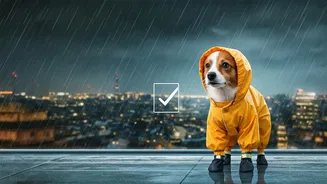
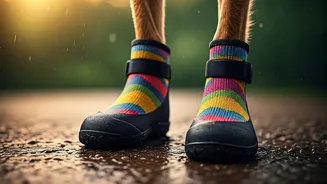
Before you even step out, a little preparation goes a long way. Investing in a waterproof raincoat is a game-changer, saving your dog from getting drenched and saving you from the dreaded wet dog smell. For paw protection, waterproof booties can prevent
direct contact with dirty puddles, which may contain harmful bacteria like Leptospira. If your dog refuses boots, a protective paw balm or wax can create a water-repellent barrier. This simple step acts as a shield against the harsh realities of wet city streets.
The Post-Walk Cleanup Ritual
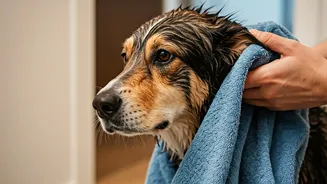
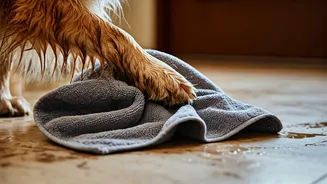
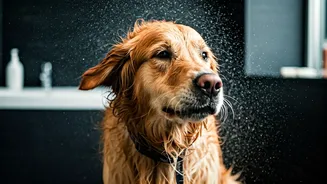
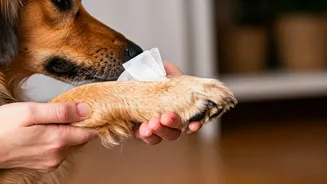
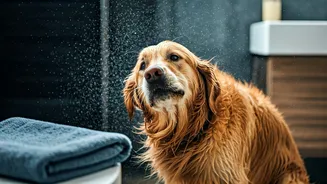
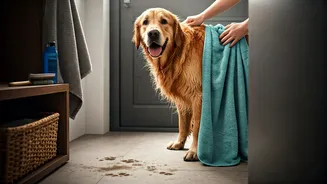
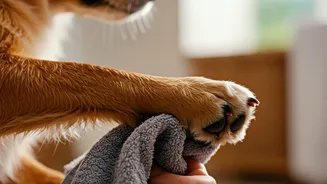
This is the most critical part of your monsoon routine. As soon as you are back indoors, a thorough clean-up is non-negotiable. Use a designated, highly absorbent towel to dry your pet completely, paying special attention to their belly, armpits, and in-between their toes. Trapped moisture is a primary cause of fungal and bacterial skin infections, which thrive in humid conditions. A post-walk paw wash with clean water is essential to remove mud and any street-level contaminants. For long-haired breeds, trimming the fur around the paws can prevent mud from getting caked in.
A Fortress Against Fleas and Ticks
The warm, humid weather of the monsoon is peak breeding season for parasites like ticks and fleas. These aren't just a nuisance; they can transmit serious illnesses such as tick fever. It is crucial to be extra vigilant with your pet’s preventative treatments. Whether you use spot-on treatments, oral tablets, or medicated collars, ensure you are consistent and following your veterinarian's advice. Regularly inspect your dog's coat, especially after walks, and keep your home environment clean by frequently washing their bedding in hot water.
Diet, Digestion, and Hydration
The rainy season can also bring digestive troubles. Your pet should only drink clean, filtered water, as puddles and outdoor water sources can be contaminated and lead to gastrointestinal issues. Store dry food in airtight containers to prevent it from absorbing moisture and growing mould, which can be toxic. Because activity levels might decrease on very rainy days, you may need to slightly adjust your pet's food portions to prevent weight gain. A healthy gut is a key part of their overall immunity during this vulnerable season.
Conquering Indoor Boredom
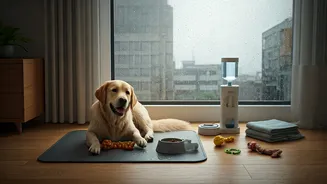
Cancelled or shortened walks can lead to a build-up of pent-up energy and boredom. This is where indoor enrichment becomes your best friend. Mental stimulation can be just as tiring as physical exercise. Engage your dog with puzzle toys, treat-dispensing balls, or a snuffle mat to encourage their natural foraging instincts. You can also play indoor games like hide-and-seek or set up a simple obstacle course using cushions and chairs. These activities not only burn energy but also strengthen your bond, turning a gloomy day into a fun one.
Health Checks and Hygiene
Constant dampness can make dogs susceptible to ear infections, especially those with floppy ears. Make it a habit to check and gently clean their ears with a vet-approved solution. Also, keep an eye on their skin for any signs of redness, itchiness, or hotspots, which are common monsoon ailments. Maintaining a clean indoor space is equally important. Regularly wash their bedding, toys, and feeding bowls to keep pathogens at bay. A clean pet and a clean home are the foundations of a healthy monsoon.