






Choose Your Fabrics Wisely
The foundation of any good monsoon outfit is the fabric. During the humid rainy season, your skin needs to breathe. Heavy materials that absorb water, like thick cotton, denim, and linen, can become soggy, heavy, and take ages to dry. Instead, opt for
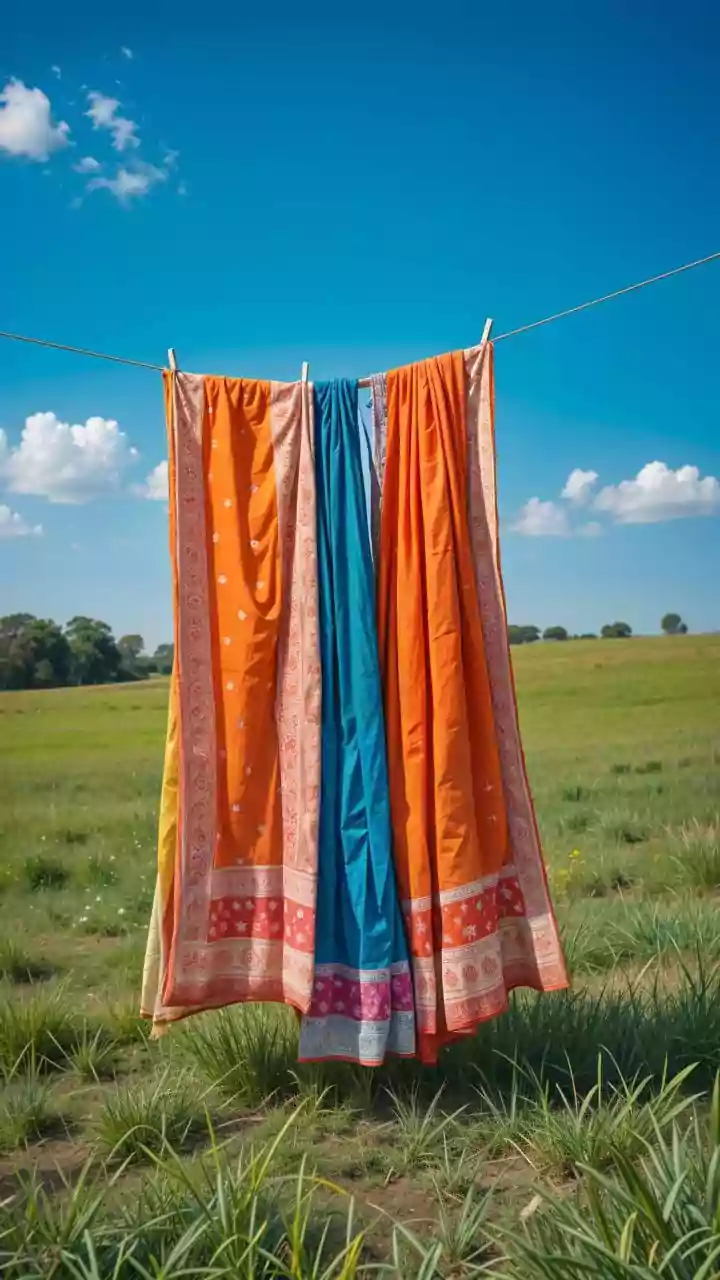
lightweight, quick-drying fabrics. Synthetics and blends like polyester, rayon, viscose, and georgette are excellent choices. They don't hold water, meaning they dry faster if you get caught in a shower and won't cling uncomfortably to your skin in the humidity. Bright and bold prints on these fabrics can also be your ally, as they help camouflage any stray water spots or splashes.
Rethink Your Bottoms
Long, flowing trousers, palazzos, and floor-length skirts are a definite no-go during the monsoon. The hems will inevitably drag through puddles and get splattered with mud. The key is to elevate your hemline. Ankle-length or cropped trousers are a professional and practical choice. For those who wear Indian formals, swapping out Patiala salwars for well-fitted churidars or straight-cut trousers is a smart move. A-line or straight-cut kurtis that end at the knee, paired with cigarette pants, create a sharp silhouette that is both modern and monsoon-proof.
The Power of the Right Outerwear
A classic trench coat is not just for temperate climates; it can be a chic and functional addition to your monsoon wardrobe, provided you choose the right one. Forget heavy wool; look for trench coats made from lightweight, water-resistant materials like cotton poplin, lightweight gabardine, or technical blends. These provide a protective layer against sudden showers and the office air-conditioning without causing you to overheat during your commute. A well-chosen trench in a neutral colour like khaki, navy, or olive adds a layer of polish to any outfit, instantly making you look put-together.
Invest in Stylish, Rain-Proof Footwear
Leather and suede shoes are the first casualties of the rainy season, as water can cause them to stain and spoil. Fabric shoes and juttis are also a bad idea, as they soak up water and remain damp all day. Instead, invest in stylish and waterproof footwear. Options are no longer limited to basic gumboots. Today, you can find professional-looking waterproof loafers, stylish sandals with rubber soles, and even elegant wedges made from water-resistant materials. These will keep your feet dry and comfortable, and many are designed with non-slip soles for better grip on wet pavements. It's also a great idea to keep a spare pair of your regular office shoes at your desk to change into.
Embrace Co-ord Sets and Dresses
For days when you want a truly effortless look, co-ord sets and dresses are the perfect solution. A matching two-piece set in a quick-drying fabric like viscose or polyester crepe looks intentional and chic with minimal effort. Opt for darker colours or prints to hide any potential splashes. Similarly, a shirt dress or a wrap midi dress is a one-and-done outfit that is both professional and practical. The midi length ensures the hem stays clear of puddles, while the silhouette is comfortable and breathable in the humid weather. These pieces require very little styling but deliver a polished, professional look.
Smart Accessorising
The final touch to your monsoon look is smart accessorising. Swap your regular leather handbag for a waterproof or water-resistant tote made of nylon or treated materials to protect your essentials. When wearing Indian attire, consider replacing long, flowing dupattas with shorter scarves or stoles that are easier to manage in the rain and wind. It's also wise to opt for minimal, tarnish-free jewellery, as high humidity can affect certain metals. A colourful, sturdy umbrella can also be a style statement, adding a pop of brightness to a grey day.