





The Reality of Risk: Why This Matters Now
The romance of the Himalayas can obscure a harsh reality. In recent weeks, Uttarakhand's trails have been the site of tragedy, with trekkers losing their lives or going missing due to severe weather. A group on a high-altitude trek to Sahastra Tal was
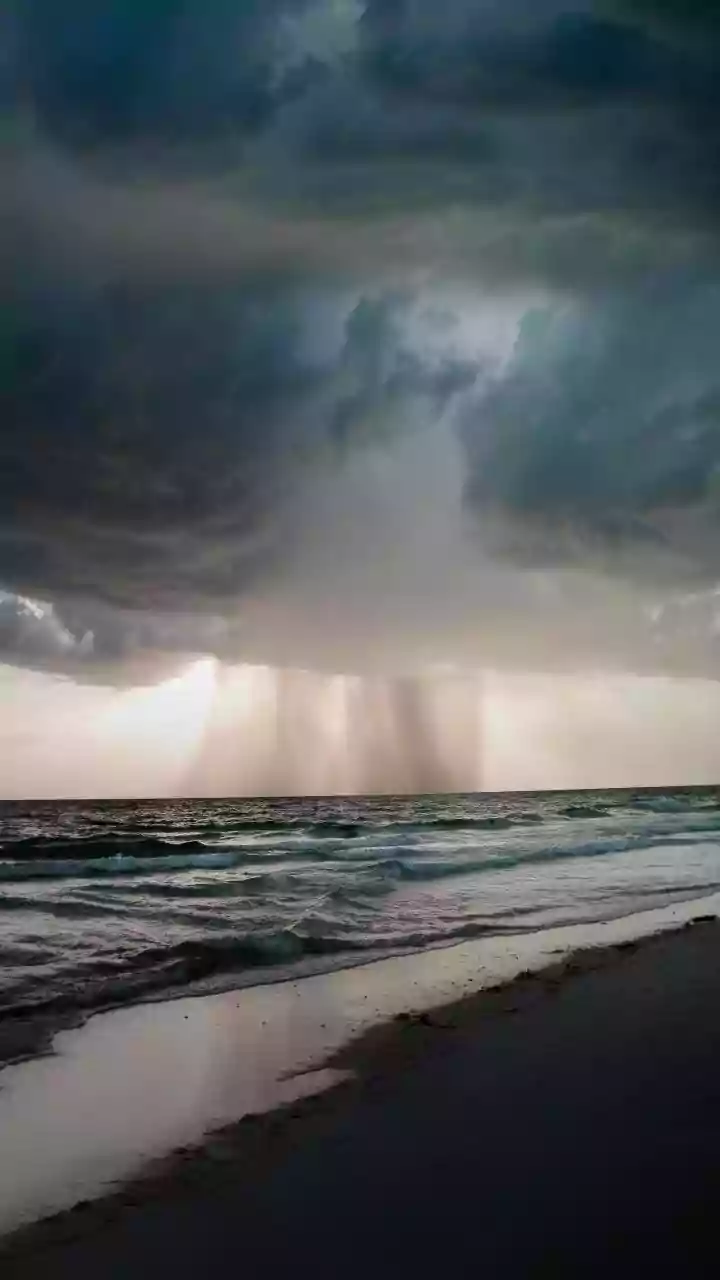
caught in a blizzard, resulting in multiple fatalities. Elsewhere, trekkers have vanished, prompting massive search operations that sometimes yield no answers. These are not isolated incidents but stark reminders that conditions can change in an instant, turning a dream expedition into a fight for survival. With the monsoon season setting in as of late June, the dangers of landslides, flash floods, and slippery trails multiply, making vigilance an absolute necessity.
Understanding the Monsoon Threat
Trekking in Uttarakhand during the monsoon (roughly June to September) requires a different level of respect for the environment. Heavy rainfall saturates the soil, dramatically increasing the risk of landslides and rockfalls, especially on key highways like NH-7. Flash floods can turn gentle streams into impassable torrents. According to the Geological Survey of India, a significant portion of the state is highly prone to landslides. Experts from the Wadia Institute of Himalayan Geology specifically advise against high-altitude trekking during periods of heavy rain. Visibility can drop to near zero within minutes, and trails become treacherously slippery. These conditions are why authorities often halt trekking operations and issue strong advisories to avoid non-essential travel to hilly regions.
Your Official Information Dashboard
Knowing where to get reliable information is the first step in responsible trekking. Do not rely on anecdotal advice or outdated blogs. Your primary sources should be official government bodies. The India Meteorological Department (IMD) is the key agency for weather forecasts and warnings. The IMD Dehradun centre provides detailed, district-wise alerts for heavy rain, thunderstorms, and gusty winds. These are often colour-coded (e.g., Orange Alert) to indicate the severity of the expected weather. The Uttarakhand State Disaster Management Authority (USDMA) is the nodal agency for disaster preparedness and response. Their website is a crucial resource for advisories and emergency contact information. Before you go, save these critical numbers: the State Emergency Operation Centre (SEOC) at 1070 and the District Emergency Operation Centre (DEOC) at 1077.
Pre-Trek Safety Checklist
Reading an alert is just the start. Your safety depends on meticulous planning. 1. Choose Your Trail Wisely: Not all treks are suitable for the monsoon. While the Valley of Flowers is a monsoon trek, many popular routes like Kuari Pass or Har Ki Dun are often closed or considered unsafe. Opt for shorter, lower-altitude trails with easy exit options if you are trekking during the rainy season. 2. Hire Registered Guides: Always trek with a certified, experienced local guide or a reputable agency. Their knowledge of the terrain, weather patterns, and safe routes is invaluable. Ensure your trekking agency is registered. 3. Pack for the Worst: Your gear can save your life. Essentials include high-traction waterproof trekking shoes, a reliable rain jacket and pants, a rain cover for your backpack, and quick-drying clothes. Carry trekking poles for stability on slippery paths. A first-aid kit, a fully charged phone with a power bank, and offline maps are non-negotiable. 4. Inform and Insure: Always leave your detailed itinerary with family or friends. Inform them of your route and expected return time. Ensure you have adequate travel and medical insurance that covers trekking activities.
On-the-Trail Best Practices
Once you are on the move, your decisions are paramount. Never take shortcuts, as these are often steeper and more prone to accidents. Pay close attention to your surroundings; be wary of unstable slopes and rising water levels at river crossings. During periods of intense rain or low visibility, the safest decision is often to stay put or turn back. Remember that small groups are easier to manage and allow for a quicker response in an emergency. Heed the advice of your guide without question. They are trained to make tough calls to ensure the safety of the entire group.