




Embrace the Monsoon Vegetable Boom
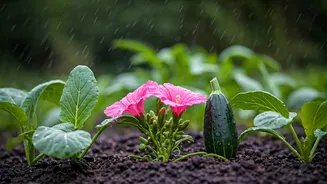
July is the prime time for sowing a variety of vegetables that thrive in the Indian monsoon. The Kharif growing season is in full swing, and the moisture-rich environment is perfect for gourds and beans. Varieties like bottle gourd (lauki), bitter gourd (karela),
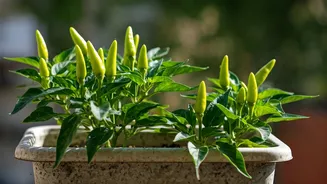
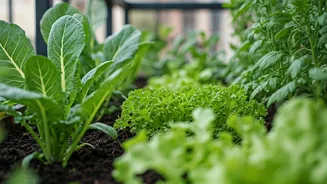
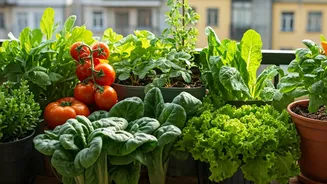
and ridge gourd (turai) are excellent choices for container gardening. They are vigorous climbers, so providing a trellis or support structure is key to keeping the fruit off wet surfaces and preventing rot. Additionally, heat-loving vegetables like okra (bhindi), tomatoes, and chili peppers do exceptionally well when planted this month. Leafy greens such as spinach (palak) and amaranth (chaulai) also flourish, growing quickly in the moderate temperatures and offering multiple harvests from a single pot.
Fill Your Balcony with Rainy Season Blooms
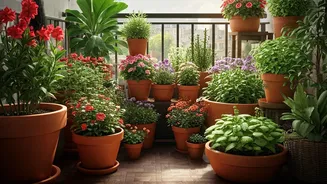
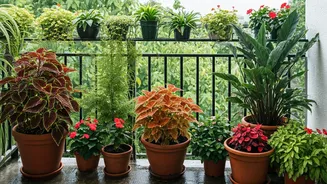
The monsoon isn't just for vegetables; it’s a spectacular time for flowering plants that love humidity. Hibiscus, with its large, vibrant flowers, becomes particularly attractive and productive during this period. Marigolds are another fantastic choice; they are adaptable, bring bright pops of yellow and orange, and can even help deter pests. For fragrant blooms, consider jasmine, whose aromatic flowers are encouraged by the rainy conditions. Other reliable bloomers for July include the hardy Bougainvillea, cheerful Balsam (also known as Touch-Me-Not), and the beautiful Butterfly Pea flower (Aparajita), which can be used to make colourful teas.
Master the Art of Monsoon Potting
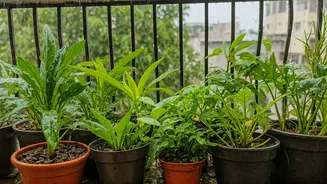
The biggest challenge during the rainy season is preventing waterlogging, which can lead to root rot. Success starts with your container. Ensure every pot has multiple, unblocked drainage holes. Using a well-draining potting mix is crucial. Avoid using heavy garden soil alone, as it compacts easily. Instead, create a lighter mix using soil, coco peat, and compost. This ensures that while the soil retains necessary moisture, any excess from heavy showers can escape freely. It's also a good practice to place pots on bricks or stands to lift them off the ground, further improving drainage and airflow.
Watering: Let Nature Take the Lead
One of the most common mistakes in monsoon gardening is overwatering. With frequent rain, your plants will need significantly less manual watering. Always check the soil before reaching for the watering can. A simple rule is to stick your finger about an inch or two into the soil; if it feels damp, hold off on watering. On rainy days, let the natural showers do the work for you. The focus should shift from watering to ensuring proper drainage. Loosening the topsoil periodically can also help improve water absorption and aeration, preventing the soil from becoming a hard, impenetrable crust.
Protect Your Plants from Pests and Disease
The high humidity of the monsoon can create a breeding ground for pests and fungal diseases. Good airflow is your first line of defense, so avoid overcrowding your plants. Pruning, or trimming away dead or excess branches, not only encourages healthy growth but also improves air circulation. Keep a close watch for common monsoon pests like aphids and slugs. A preventive spray of diluted neem oil every 10-15 days can be highly effective against both fungal infections and insects. If you spot any affected leaves, remove them immediately to prevent the issue from spreading.