




The Wisdom in Earthenware
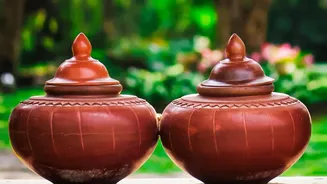
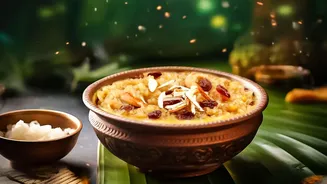
For thousands of years, across countless cultures, clay pots have been central to the kitchen. In India, the 'handi' or 'matka' is not just a cooking vessel but a symbol of traditional, slow-cooked flavour. From fragrant biryanis to creamy dals and simmering
fish curries, earthenware has been the secret to deep, nuanced tastes. This age-old practice wasn't just about flavour; it was rooted in an intuitive understanding of how natural materials interact with food. Unlike modern metal cookware, which heats up quickly and sometimes unevenly, clay is a slow and gentle conductor of heat. This core property is the foundation for its many benefits, allowing for a cooking process that is less aggressive and more in tune with the ingredients themselves. This slow-cooking method helps to preserve the delicate nutrients in food that can be destroyed by high heat.
The Science of Porous Clay
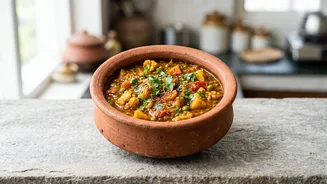
The magic of an unglazed clay pot lies in its porosity. The clay walls are filled with microscopic pores that allow for the circulation of both heat and moisture throughout the cooking process. When heated, the pot slowly releases steam, creating a moist environment that bastes the food in its own juices. This reduces the need for excessive oil or fat, making for lighter meals. More importantly, this porous nature is what allows for the mineral transfer claimed in the headline. Clay is a natural, earthen material rich in various minerals. When you cook food, especially dishes with some moisture or acidity like a tomato-based curry, a small-scale interaction occurs. Trace amounts of minerals from the clay, including calcium, magnesium, and iron, can leach into the food.
A Natural Mineral Boost
So, how significant is this mineral infusion? While cooking in a clay pot won't replace a balanced diet, it can provide a small but beneficial top-up of essential minerals. Calcium is vital for bone health, iron is crucial for carrying oxygen in the blood, and magnesium plays a role in hundreds of bodily functions, from nerve function to muscle control. Several sources confirm that unglazed clay contains these minerals and more, including phosphorus and sulphur. The alkaline nature of clay also helps to neutralize the pH of acidic ingredients, which can make food easier to digest and give it a milder, more rounded flavour. This effect is particularly noticeable in dishes heavy with tomatoes or tamarind.
Beyond Minerals: Other Benefits
The advantages of clay pot cooking extend beyond mineral content. The slow and even distribution of heat ensures that food is cooked gently without losing its nutritional value. Studies and anecdotal evidence suggest that this method helps in retaining a higher percentage of vitamins and other micronutrients compared to cooking in some metal pots. Furthermore, pure, unglazed clay pots are free from the synthetic chemicals and heavy metals, like lead or cadmium, that can sometimes be found in improperly glazed ceramics or coated non-stick pans. This makes them a non-toxic and safe cooking surface, provided you source them from a reputable maker. The result is food that not only tastes better but is also purer.
A Practical Guide to Clay Pots
To get the most out of your clay pot, proper care is essential. Before the first use, an unglazed pot must be seasoned. This typically involves soaking the pot in water for several hours, then allowing it to dry and sometimes rubbing it with oil before heating it gently. This process strengthens the pot and prevents it from cracking or imparting an earthy taste to your food. When it comes to cleaning, avoid using harsh soaps or detergents, as the porous clay can absorb them and transfer a soapy taste to your next meal. Instead, use hot water and a gentle brush or scrub. Always handle your clay pot with care; avoid sudden temperature changes, like placing a hot pot on a cold surface, as this can cause it to crack. Start cooking on a low flame and gradually increase the heat to allow the pot to warm up evenly.