






Beyond the 'Eco' Label
The words “eco-friendly” and “sustainable” are used so often in travel that they can lose their meaning. A truly responsible safari is more than a lodge with solar panels; it’s an entire ecosystem of ethical choices. It begins with understanding that our
presence, however well-intentioned, has an impact. Unregulated tourism can lead to habitat degradation, stressed wildlife, and altered animal behaviours. A responsible operator acknowledges this and actively works to minimise their footprint, understanding that the delicate balance of the environment is paramount. Their commitment isn’t just on a website; it's evident in their daily operations, from waste management to the routes their vehicles take.
The Ethics of Proximity
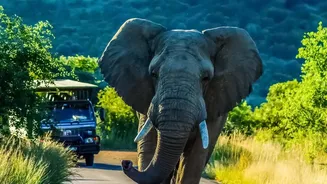
Getting the perfect photograph is a powerful temptation, but at what cost? One of the biggest challenges in safari tourism is managing the human desire to get as close as possible to the animals. Crowding wildlife with multiple vehicles can cause immense stress, disrupting feeding, hunting, and parenting behaviours. In India, for example, there are strict guidelines for tiger safaris, mandating safe distances to prevent disturbing the elusive big cats. Responsible guides will never chase an animal or drive off-road to get a better view, as they understand that respecting the animal's space and natural behaviour is the top priority. True wonder comes not from forcing an encounter, but from observing wildlife on its own terms, even if that means from a distance.
The Crucial Human Element
A safari that doesn’t benefit local people is not truly sustainable. For decades, conservation sometimes happened at the expense of the communities living alongside the wildlife. Today, the best models show that when local people have a direct stake in protecting their natural heritage, conservation is far more successful. Responsible tourism ensures that revenue generated from park fees and lodging flows back into the community. This can mean direct employment for locals as guides, trackers, and lodge staff, or funding for schools, clinics, and infrastructure projects. By choosing operators that are locally owned or have strong community partnerships, travellers ensure their money empowers the very people who are the frontline guardians of the wildlife.
How to Choose Your Guide Wisely
With thousands of safari operators to choose from, vetting them can feel overwhelming. Start by looking for certifications and affiliations with respected tourism and conservation bodies. But don’t stop there. Ask direct questions: How do you ensure minimal disturbance to wildlife? What percentage of your staff is from the local community? How does my trip directly support conservation projects? Check independent review platforms, looking for specific feedback on guide knowledge and ethical conduct. A reputable company will be transparent about their practices and proud to explain how they balance guest experiences with their conservation and community commitments. They will also never offer unethical interactions like walking with lions or riding elephants.
The Power of Restraint
Ultimately, a responsible safari requires a shift in mindset—from one of consumption to one of partnership. It means accepting that sometimes the most respectful action is to do nothing at all. It’s the quiet patience of waiting for an animal to emerge, the choice not to pursue a fleeting glimpse, and the understanding that the wild does not perform on command. This restraint is not a lesser experience; it is a deeper one. It acknowledges that we are temporary visitors in a world that belongs to its wild inhabitants. By choosing operators who champion this philosophy, travellers can become active partners in conservation, ensuring these magnificent ecosystems and the communities that protect them can thrive for generations to come.