
Choose Your ‘Power’ Ingredients
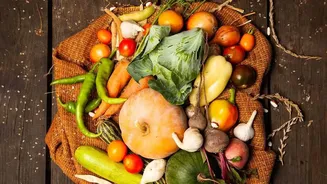
Instead of planning dish by dish, start by choosing two or three versatile 'power' ingredients that can be used across your entire menu. This is a strategy known as cross-utilization, and it's the foundation of an efficient kitchen. Think about ingredients that can play
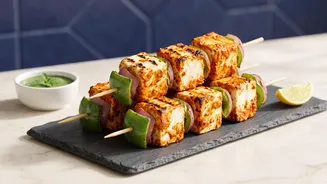
multiple roles. For example, a pumpkin can become a fragrant soup for a starter, a roasted side dish for the main course, and even be pureed for a dessert like halwa. Similarly, a large batch of paneer can be cubed for a spicy appetiser, crumbled into a filling for flatbreads, and used in a rich main-course gravy. Other great options include potatoes, lentils, coconut, and yogurt, which can be adapted with different spices and cooking methods to create distinct flavours for each course. This approach streamlines your shopping list and ensures almost nothing you buy goes unused.
Map the Menu, from Start to Finish
Once you have your power ingredients, map out how they will appear in each course. The key is to make them feel different each time. Let's say you chose chickpeas and bell peppers. You could start with a crunchy roasted chickpea snack for guests to nibble on. For the main meal, the bell peppers could be stuffed with a spiced rice and lentil mixture, while a smooth hummus made from the chickpeas serves as a cooling side dip. To finish, any leftover bell peppers can be finely diced and cooked down into a sweet-and-sour relish to serve with a cheese board. The goal is to transform the ingredient's texture and flavour profile, so your menu feels varied and exciting, not repetitive.
Adopt a Root-to-Leaf Philosophy
Embracing a zero-waste approach is not just good for the environment; it’s a time-honoured Indian tradition of resourcefulness that saves money and adds flavour. This means using every part of your ingredients. Don't discard vegetable peels from carrots, potatoes, or gourds. Instead, simmer them with onion ends and herb stems to create a flavourful vegetable broth that can be the base for soups and gravies. The green tops of carrots or beets can be blended into a pesto or a chutney. Citrus peels can be candied, used to flavour sugar for desserts, or dried for teas. Even stems from herbs like coriander and mint can be finely chopped and added to marinades or spice pastes for an extra layer of flavour. This 'root-to-stem' mindset ensures you extract maximum value from everything you buy.
Prep Components, Not Just Dishes
One of the best ways to save time and use ingredients efficiently is to prepare versatile components in advance. Instead of making three separate, complex dishes from scratch on the day, spend some time prepping bases that can be adapted. Cook a large batch of simple boiled potatoes, which can then be quickly turned into a dry curry (sabzi), mashed for cutlets, or added to a biryani. Make a big container of a basic tomato-onion gravy, which can become the foundation for paneer butter masala, chana masala, or a mixed vegetable curry with just a few different spices. Having these building blocks ready allows for flexibility and drastically cuts down on cooking time during the main event, letting you focus on final touches.
Plan for Leftovers Before They Happen
A truly efficient menu includes a plan for the food that isn't eaten. Don't let leftovers become a forgotten container in the back of the fridge. Plan for them. Extra roasted vegetables and meats can be chopped up and made into a hearty hash or a filling for sandwiches the next day. Leftover rice can be transformed into crisp fried rice or tangy lemon rice. Even leftover dal can be thinned out into a soup or used to make dal parathas. It’s also a wonderful gesture to have takeaway containers ready so guests can take home a share of the delicious meal, which reduces waste and shares the joy. Thinking about the 'afterlife' of your dishes ensures that the effort and resources you put into your festive meal are enjoyed to the very last bite.