



The Foundation: A Carb for Steady Energy
At its core, poha is made from parboiled rice that is flattened into light, dry flakes. This makes it an excellent source of healthy carbohydrates. Unlike processed breakfast cereals that can cause a rapid spike and subsequent crash in blood sugar, the
complex carbs in poha provide a steady release of energy. This keeps you feeling energised and focused throughout the morning without the mid-morning slump. Because it's so easy to digest, it provides this energy without feeling heavy, making it an ideal way to start your day.
The Iron Boost and How to Absorb It
One of poha's most significant nutritional benefits is its iron content. The process of flattening the rice helps it retain more iron than regular white rice. Some estimates suggest a 100-gram serving can be a meaningful contributor to your daily iron needs, which is crucial for preventing anaemia, maintaining healthy haemoglobin levels, and ensuring oxygen is transported efficiently throughout your body. The real magic, however, happens with a simple squeeze of lemon. The vitamin C in lemon juice can dramatically increase your body's ability to absorb the type of iron found in plant-based foods like poha. This traditional pairing is not just for flavour; it’s a time-tested nutritional strategy.
A Rainbow of Vitamins from Vegetables
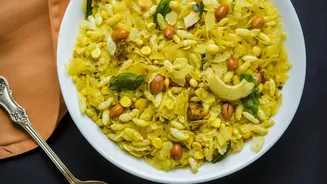
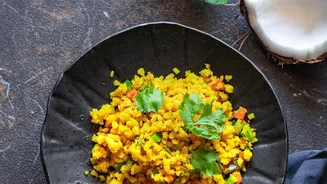
This is where a simple bowl of poha becomes a truly balanced meal. Adding a variety of fresh vegetables elevates its nutritional profile significantly. Common additions like peas, carrots, onions, and bell peppers infuse the dish with essential vitamins and minerals. Carrots are a great source of Vitamin A, crucial for vision and immune function. Onions and bell peppers contribute Vitamin C, which further aids iron absorption, while peas add not just vitamins but also a bit of plant-based protein and fibre. Fresh coriander, used as a garnish, provides Vitamin K. This vegetable medley turns your breakfast into a multi-vitamin on a plate, supporting everything from energy metabolism to immune defence.
More Than Just Energy: Fibre and Gut Health
The addition of vegetables makes the meal rich in dietary fibre. Fibre is essential for good digestion, helping to keep you regular and promoting a healthy gut. It also increases the feeling of fullness, or satiety, which can help prevent overeating later in the day. Furthermore, some believe that the partial fermentation poha undergoes during its production gives it probiotic qualities that can support a healthy gut microbiome. This combination of being light on the stomach, easy to digest, and rich in fibre makes vegetable poha a wonderfully gut-friendly breakfast.
Making the Perfect Energy-Boosting Bowl
To maximise the health benefits, preparation is key. Opt for minimal oil when cooking; just enough to temper the spices is sufficient. Be generous with the vegetables to increase the fibre and nutrient content. Adding peanuts is a popular and healthy choice, as they contribute good fats and extra protein, making the meal even more balanced and satiating. Finally, and most importantly for iron intake, always finish with a generous squeeze of fresh lemon juice after the poha is cooked and the heat is off to preserve the Vitamin C.