



The Disappointing Science of Dull Greens
That beautiful bright green colour in vegetables like spinach (palak), fenugreek (methi), and beans comes from a pigment called chlorophyll. [1] Unfortunately, chlorophyll is quite fragile. When you heat green vegetables, two things happen. First, the
plant's cell walls start to break down. This initially makes the colour pop, as trapped air is released, revealing the pure green underneath. [4] But as cooking continues, these broken cell walls release natural acids. [3] It is this combination of heat and acid that attacks the chlorophyll, changing its chemical structure into a molecule called pheophytin, which has a dull, olive-green hue. [9] This process starts to happen in as little as five to seven minutes of boiling. [1, 3]
The Real Hack: It's All About Timing
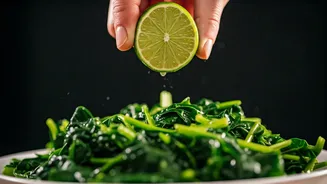
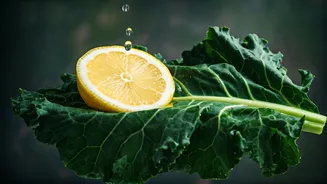
The headline suggests squeezing lime juice is the key, and it is, but the timing is crucial. Adding an acid like lime juice *during* the cooking process will actually speed up the discolouration you're trying to avoid. [9] Acid is the enemy of chlorophyll while it's hot. [1] So, when do you use it? The trick is to add your squeeze of fresh lime or lemon juice *after* the cooking is done, just before serving. The acid brightens the flavour and adds a final flourish, but the real work of preserving the colour happens through a different technique: blanching and shocking.
Your Step-by-Step Guide to Perfect Greens
This two-part method used by chefs worldwide is the single best way to lock in that brilliant colour. [5]
1. **Blanch:** Bring a large pot of heavily salted water to a rolling boil. Using a large volume of water is important because the temperature won't drop too much when you add the vegetables. [6, 15] Don't overcrowd the pot; cook in small batches. [6] Add your greens and cook for a very short time—typically 1 to 3 minutes, depending on the vegetable—until they are crisp-tender and brilliantly green. [2]
2. **Shock:** Using a slotted spoon, immediately transfer the cooked greens from the boiling water into a large bowl of ice water. [5] This is called 'shocking', and it does two things: it instantly stops the cooking process, preventing the vegetables from going soft, and it locks in that vibrant chlorophyll green. [7, 11] Once the vegetables are completely cool, drain them thoroughly.
When and How to Use the Lime Juice
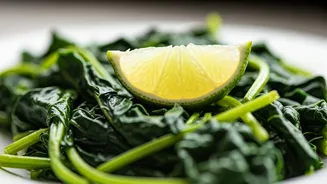
Once your greens are blanched, shocked, and drained, they are perfectly prepped. You can store them in the fridge for a day or two before using them. When you are ready to serve, you can gently reheat them in a pan with a little oil or butter. This is the moment for the lime juice. Just before taking them off the heat or plating them, toss the greens with a generous squeeze of fresh lime juice. [1] The acidity will cut through the richness, elevate the taste, and make the colours seem even more vivid. This works wonderfully for everything from simple stir-fried beans to a classic palak paneer or sarson ka saag.
Other Tips for Greener Results
While blanching and shocking is the gold standard, other small adjustments can help. Avoid covering the pot when boiling greens. A lid traps the volatile acids that are released from the vegetables in the steam, allowing them to drip back onto the food and dull the colour. [1] Some old kitchen tricks suggest adding a pinch of baking soda (an alkali) to the water to make it more alkaline, which can produce a very bright green. [4, 8] However, this method is not recommended by most chefs as it can destroy vitamins and turn the vegetables unpleasantly soft and mushy. [1] Ultimately, cooking quickly in lots of salted water and cooling rapidly is the most reliable path to success. [10, 13]