






A Paradise Under Pressure
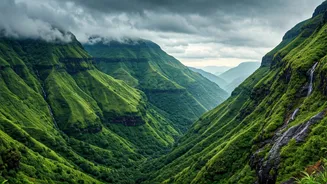
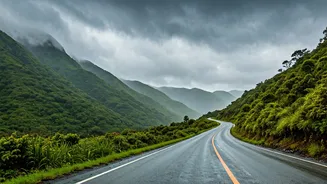
Recognised as a UNESCO World Heritage site and one of the world's eight 'hottest hotspots' of biodiversity, the Western Ghats are a geological marvel. This mountain range, older than the Himalayas, influences India's monsoon patterns and is the source
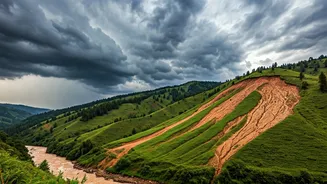
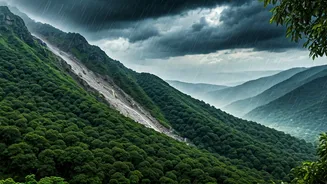
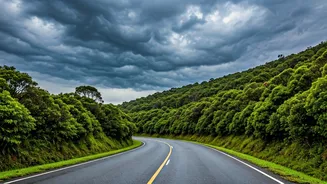
of major peninsular rivers. However, this vibrant ecosystem is incredibly fragile. The combination of steep slopes, intense seasonal rainfall, and human activity like deforestation and construction has made large parts of the Ghats highly vulnerable. The soil, loosened by these factors, can easily give way under the pressure of torrential downpours, turning a scenic landscape into a disaster zone in minutes.
The Monsoon's Treacherous Trio
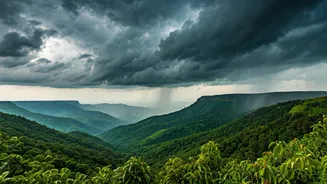
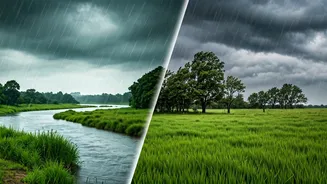
The primary dangers during the monsoon are landslides, flash floods, and deadly falls. Landslides are a common occurrence, capable of sweeping away roads and vehicles. Intense rainfall can saturate the ground, triggering debris flows with little warning. Rivers and streams that are placid in the dry season can swell into raging torrents, causing flash floods in narrow gullies. Waterfalls, a major tourist attraction, become particularly hazardous. The force of the water increases dramatically, and the surrounding rocks become exceptionally slippery. Many recent tragedies have involved tourists being swept away while taking photos or underestimating the current.
Your Monsoon Safety Checklist
Before planning any trip to the Ghats during the monsoon, safety must be the priority. Authorities in states like Karnataka, Kerala, and Maharashtra frequently issue travel advisories and restrict access to high-risk areas like certain ghat roads, waterfalls, and trekking trails. Always check the latest weather forecasts from the India Meteorological Department (IMD) and heed warnings from local disaster management authorities. Inform someone of your detailed itinerary and expected return time. Pack essential gear, including waterproof clothing, shoes with excellent grip, a first-aid kit, a powerful flashlight, and a power bank. Avoid travelling at night on ghat roads.
What Not to Do: An Essential Guide
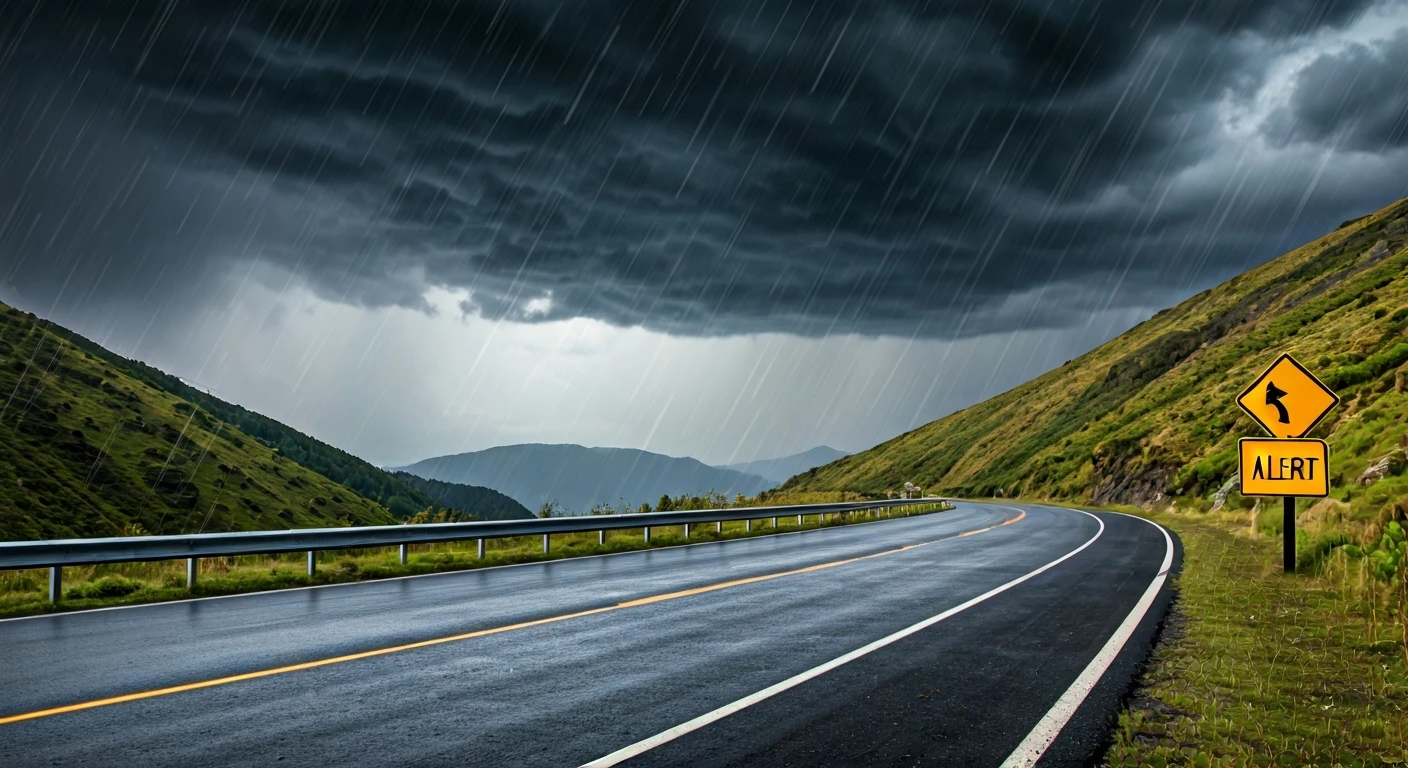
Respecting the Ghats means understanding what not to do. Never enter fast-flowing streams or get too close to the edge of waterfalls for selfies—the rocks are treacherous and the currents unpredictable. Heed all official signboards and barricades; they are there for life-saving reasons. Do not consume alcohol before or during treks, as it impairs judgment. Avoid playing loud music, which disturbs wildlife and can prevent you from hearing warning sounds like distant thunder or the rumble of a landslide. Lastly, do not litter. Plastic waste clogs natural drainage channels, exacerbating flood risks.
Beyond Tourism: A Shared Responsibility
The increasing frequency of calamities in the Western Ghats is a stark reminder of the impact of climate change and unregulated development. While authorities work to manage tourism and implement safety measures, responsibility also lies with every visitor. Choosing responsible tour operators, hiring local guides who understand the terrain, and maintaining a safe distance from risky spots are crucial steps. True appreciation for the Western Ghats lies not just in capturing their beauty, but in understanding their power and preserving their fragile ecology for generations to come. By prioritising safety and environmental consciousness, we can ensure the monsoon remains a season of life, not loss.