



A Tradition Reimagined for Today
For centuries, the potter's wheel in Rajasthan has spun out functional and beautiful earthenware, from the humble matka to the sturdy handi. This craft is deeply woven into the state's cultural fabric, with villages like Molela and Alwar known for their
unique pottery traditions. But in an age of non-stick pans and microwaveable containers, tradition alone is not enough to sustain a craft. In response, a new generation of artisans is not just preserving their heritage; they are adapting it. They are scaling up production by embracing new designs that cater to a growing urban market that values health, sustainability, and aesthetics. This shift isn't about abandoning the old ways but about making them relevant for the modern Indian home.
The Urban Demand for Health and Heritage
The primary driver of this terracotta revival is the modern city-dweller. As urban Indians become more health-conscious, they are looking for alternatives to cookware that may leach chemicals. Natural clay pots, which are free of toxins, have become an attractive option. Cooking in clay offers numerous benefits: the porous nature of terracotta allows for slow, even cooking that retains the food's nutrients and moisture, resulting in more flavourful and tender dishes. The alkalinity of the clay can also neutralize the acidity in foods, making them easier to digest. Beyond health, there's a growing desire to connect with heritage and embrace sustainable products. Choosing an artisan-made clay pot over a mass-produced metal one is a conscious lifestyle choice for many.
Designing for the Compact Kitchen
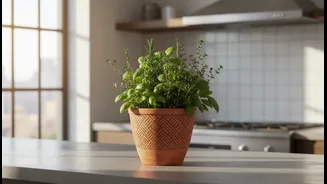
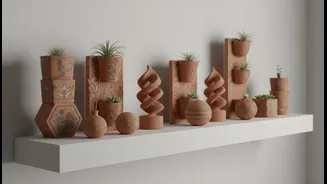
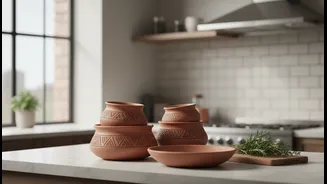
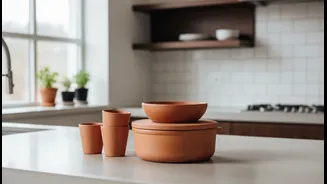
The phrase 'space-saving' is key to understanding this new wave of terracotta. Traditional clay pots can be bulky and difficult to store in a compact apartment kitchen. Artisans and modern design-led brands are addressing this challenge head-on. They are creating terracotta ware with a contemporary twist: think stackable bowl sets for serving dal and sabzi, sleek curd setters that fit neatly in the fridge, and versatile pots with lids that can be used for both cooking and serving. These modernised designs are not only functional but also aesthetically pleasing, with cleaner lines and polished finishes that appeal to modern tastes. You might find a water bottle with a chic wooden lid or a pizza platter made of baked earth, blending rustic charm with contemporary function.
From Local Markets to Online Stores
Scaling up production requires more than just new designs; it demands new ways of reaching customers. The rise of e-commerce has been a game-changer for many Rajasthani artisans. Online platforms and direct-to-consumer brands now connect potters in remote villages directly with buyers in major cities like Bengaluru, Mumbai, and Delhi. This digital bridge bypasses traditional middlemen, allowing artisans to earn fairer prices for their work while making their products accessible to a national audience. By showcasing their craft online, these artisans can tell their story, highlight the benefits of their products, and build a brand that resonates with a new generation of consumers who value authenticity and craftsmanship.
A Sustainable Future for an Ancient Craft
The modernisation of terracotta is more than a business trend; it represents a sustainable path forward for a craft that has faced challenges from cheaper, mass-produced alternatives. By innovating, Rajasthan's artisans are ensuring that their skills remain not only relevant but essential. They are proving that traditional crafts can thrive in the 21st century by listening to the market and adapting to its needs. This evolution secures their livelihoods and enriches modern homes with products that are healthy, beautiful, and rooted in a timeless Indian heritage. It is a powerful example of how tradition and modernity can cook up something wonderful together.