
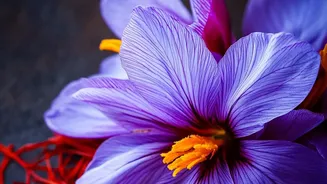
From the sun-kissed fields where it is harvested to the kitchens of Kashmir, Iran, and Italy, saffron has been treasured for centuries. This 'red gold' does more than just colour food; it transforms the humble rice grain into a canvas for culinary artistry
across the world.
The Royal Aromas of Kashmiri Pulao
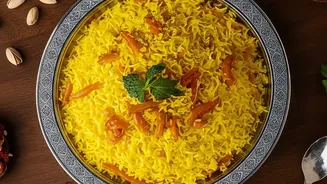
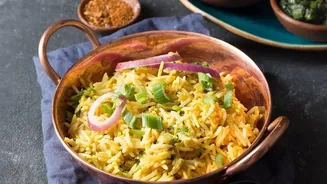
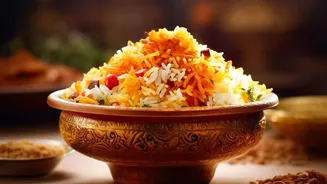
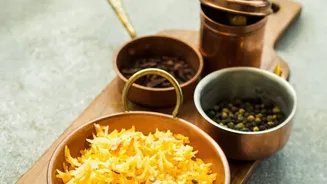
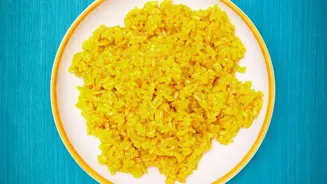
Kashmiri Pulao is a dish that speaks of its origins in the serene, beautiful valleys of Kashmir. Unlike many other savoury pulaos from the subcontinent, this version is known for its mildly sweet and aromatic profile. It's a celebration of the region's produce, combining fragrant, long-grain basmati rice with a generous mix of nuts and dried fruits like almonds, cashews, and raisins. The cooking process often involves ghee and whole spices such as cardamom, cinnamon, and cloves, which create a subtle warmth. However, the star ingredient is undoubtedly saffron, which imparts a beautiful golden hue and an unmistakable, luxurious aroma that makes the dish a festive centrepiece. Some modern variations even incorporate fresh fruits like pomegranate or apple, adding a refreshing twist to this classic dish.
The Golden Crunch of Persian Tahdig
In Persian cuisine, the most coveted part of a rice dish is often the 'tahdig', which literally translates to 'bottom of the pot'. Tahdig is not a mistake but a deliberate, celebrated creation—a crispy, golden layer of rice that forms as the rest of the rice steams to fluffy perfection above it. Achieving the perfect tahdig is considered a mark of culinary skill and a point of pride for any host. The process involves par-boiling basmati rice, then steaming it over a layer of oil or butter, sometimes with a saffron-infused yogurt mixture, sliced potatoes, or flatbread at the bottom to form the crust. When the pot is inverted onto a serving platter, the tahdig is revealed as a magnificent, crunchy cake, ready to be broken and shared. Its nutty, caramelised flavour and satisfying crunch offer a delightful contrast to the soft, separate grains of the steamed rice.
The Creamy Comfort of Italian Risotto
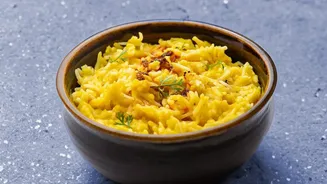
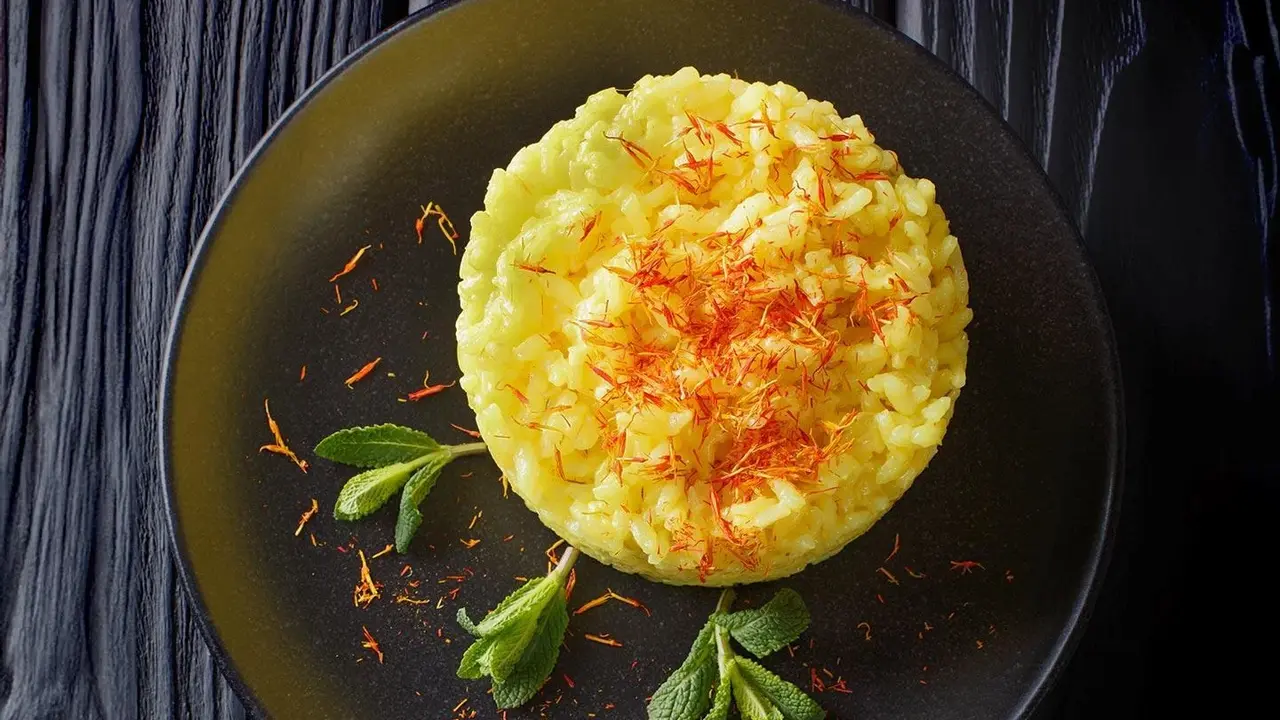
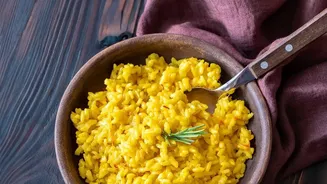
Journeying to Italy, we find saffron starring in one of its most iconic dishes: Risotto alla Milanese. Hailing from Milan, this dish is the epitome of creamy comfort. Unlike the separate, fluffy grains of a pulao or Persian chelow, the goal here is a velvety, almost sauce-like consistency. This is achieved by using short-grain rice varieties like Arborio or Carnaroli, which are high in starch. The rice is cooked slowly, with warm broth added ladle by ladle, while being stirred continuously. This technique encourages the rice to release its starches, creating the signature creaminess. Saffron is infused into the broth, giving the risotto its brilliant golden-yellow colour and a delicate, floral aroma. Finished with butter and a generous amount of grated Parmigiano Reggiano cheese, Risotto alla Milanese is a rich and luxurious dish that is both simple and profoundly flavourful.
Saffron's Global Rice Connection
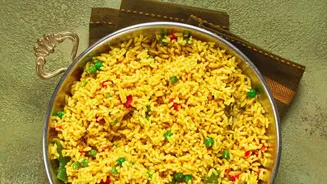
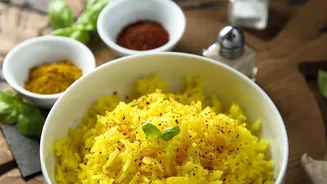
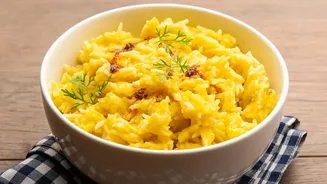
While Kashmiri Pulao, Tahdig, and Risotto are stunning examples, saffron's influence on rice is truly global. In Spain, it is the essential ingredient that gives paella its signature golden colour and flavour, working in harmony with seafood, chicken, and vegetables. Across the Middle East and South Asia, various forms of saffron pilaf and biryani are served at celebrations, where the spice signifies luxury and festivity. In some traditions, saffron is even used to flavour sweet rice puddings like Indian Kheer, lending its subtle floral notes to dessert. From savoury side dishes to grand main courses and even sweets, the ability of saffron to elevate rice is a testament to its enduring appeal and remarkable versatility in the kitchen.