

What Is the Portioned Plate?
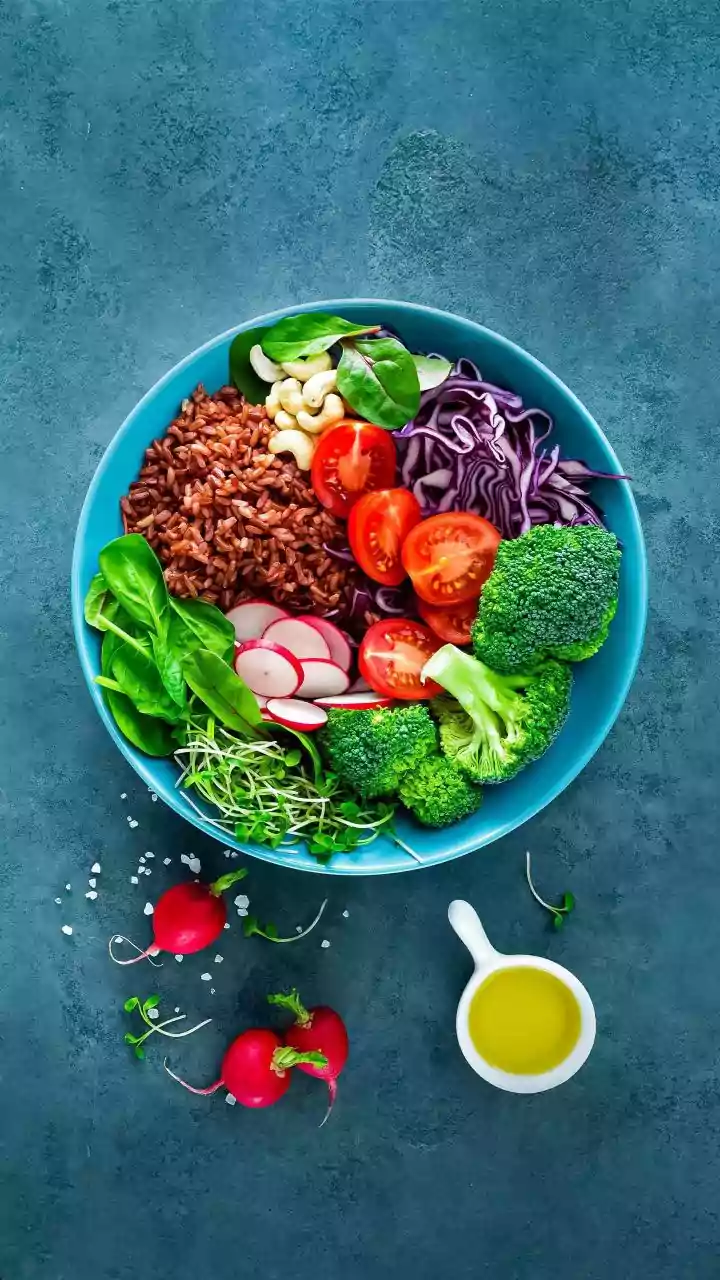
The portioned plate is a simple visual guide for building a balanced meal, recommended by nutrition experts worldwide. Imagine your plate divided into sections: half of it should be filled with non-starchy vegetables, a quarter with a protein source,
and the final quarter with carbohydrates. This framework shifts the focus from counting calories to ensuring you get a healthy ratio of essential nutrients in every meal. It's not about eliminating foods but about achieving balance and variety. The goal is to make nourishing meals a sustainable, everyday habit rather than a complicated task.
The Indian Thali Was Already Close
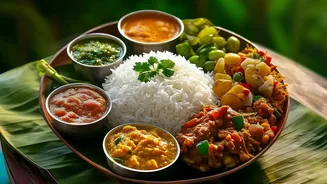
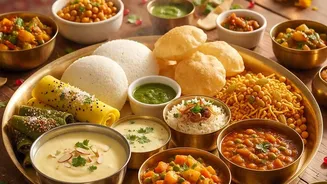
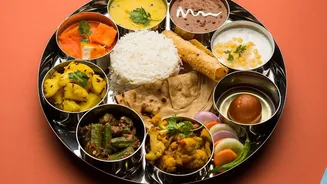
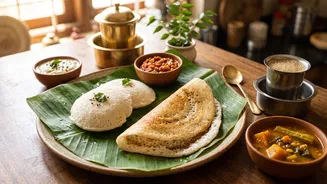
The traditional Indian thali is, by design, incredibly close to this balanced ideal. A standard meal of dal, sabzi, roti or rice, and a side of curd or salad naturally includes all the major food groups. However, modern habits have tilted this balance. Plates are often dominated by carbohydrates like rice and roti, with vegetables and protein serving as small accompaniments. The problem isn't that our curries are unhealthy; it's that the proportions have gone astray. Reclaiming the balance is as simple as rearranging the components already in your kitchen.
Building Your Perfect Indian Plate
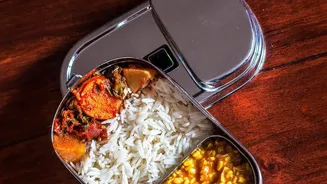
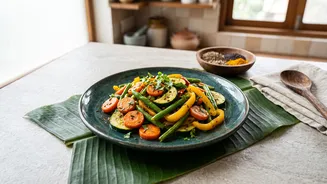
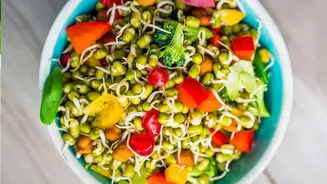
Applying the portion plate method to Indian food is intuitive. Start by filling half your plate with vegetables. This can be a generous serving of your favourite sabzi like bhindi or gobi, a fresh kachumber salad, or a combination of both. Next, dedicate a quarter of your plate to protein. This is where your dal, chana masala, rajma, paneer, fish, or chicken curry goes. The final quarter is for carbohydrates – one or two rotis, a controlled portion of rice, or millets like ragi or jowar. A small bowl of curd on the side adds more protein and probiotics.
Making Protein the Priority
A common shortfall in many Indian diets is insufficient protein. The portioned plate method solves this by making protein a dedicated quarter of your meal, not just a spoonful of thin dal. To make this work, ensure your dal is thick and substantial, or have a larger katori of it. Combining legumes with grains, like dal with rice or roti, creates a complete protein profile, providing all the essential amino acids your body needs. For non-vegetarians, grilled options like tandoori chicken or fish are excellent lean protein choices.
Embracing Vegetables and Smart Carbs
Most Indian sabzis are a perfect fit for the vegetable half of your plate. They are packed with fibre, vitamins, and minerals that keep you feeling full and nourished. Try to include a variety of colourful vegetables throughout the week, including leafy greens like spinach and methi. When it comes to carbohydrates, you don't need to eliminate them. The key is portion control and choosing wisely. Opting for whole wheat rotis, brown rice, or millets provides more fibre, which helps in better blood sugar control and sustained energy release.
It’s About Balance, Not Banning
This approach isn't about forbidding foods. A dollop of ghee on your roti, a small piece of pickle, or a creamy curry enjoyed occasionally are all part of a healthy relationship with food. The portion plate concept provides a sustainable framework that accommodates your favourite dishes. By ensuring most of your meals are structurally balanced, you create a diet that is both nourishing and enjoyable. It proves that you can honour traditional Indian cuisine while taking care of your health, one well-proportioned thali at a time.