





Begin with Better Leaves
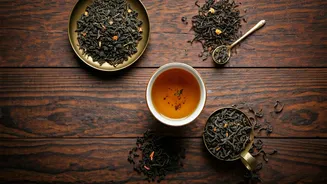
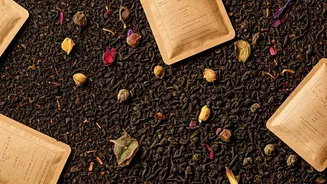
The foundation of a premium tea experience is, unsurprisingly, the tea itself. Moving from standard tea bags to loose-leaf varieties is the single biggest upgrade you can make. India offers a world of exceptional teas to explore. For a classic, robust
flavour, look for a single-origin Assam. If you prefer something more delicate and aromatic, a Darjeeling tea, often called the "Champagne of Teas," is an excellent choice. Nilgiri teas from the south offer a clean and smooth profile. Don't be afraid to explore beyond the basics; varieties like fragrant Elaichi Chai or even floral Kashmiri Kahwa can turn a simple break into a mini-getaway. The goal is to find a quality of leaf that offers complex flavours worth savouring.
Master Your Water
The quality and temperature of your water have a profound impact on the final taste. Using freshly drawn, filtered water is always preferable to water that has been boiled multiple times, which loses its oxygen and can result in a flat-tasting brew. More importantly, not all tea should be brewed with fully boiling water. Using water that's too hot can scorch delicate leaves, leading to a bitter, unpleasant taste. As a general rule, robust black teas and herbal infusions can handle boiling water (around 100°C). However, for more delicate green and white teas, it's best to let the water cool for a few minutes to around 75-85°C. Oolong teas fall somewhere in between, typically around 85-95°C. You don't need a special kettle; simply letting boiling water sit for a couple of minutes before pouring can make all the difference.
Perfect the Art of Brewing
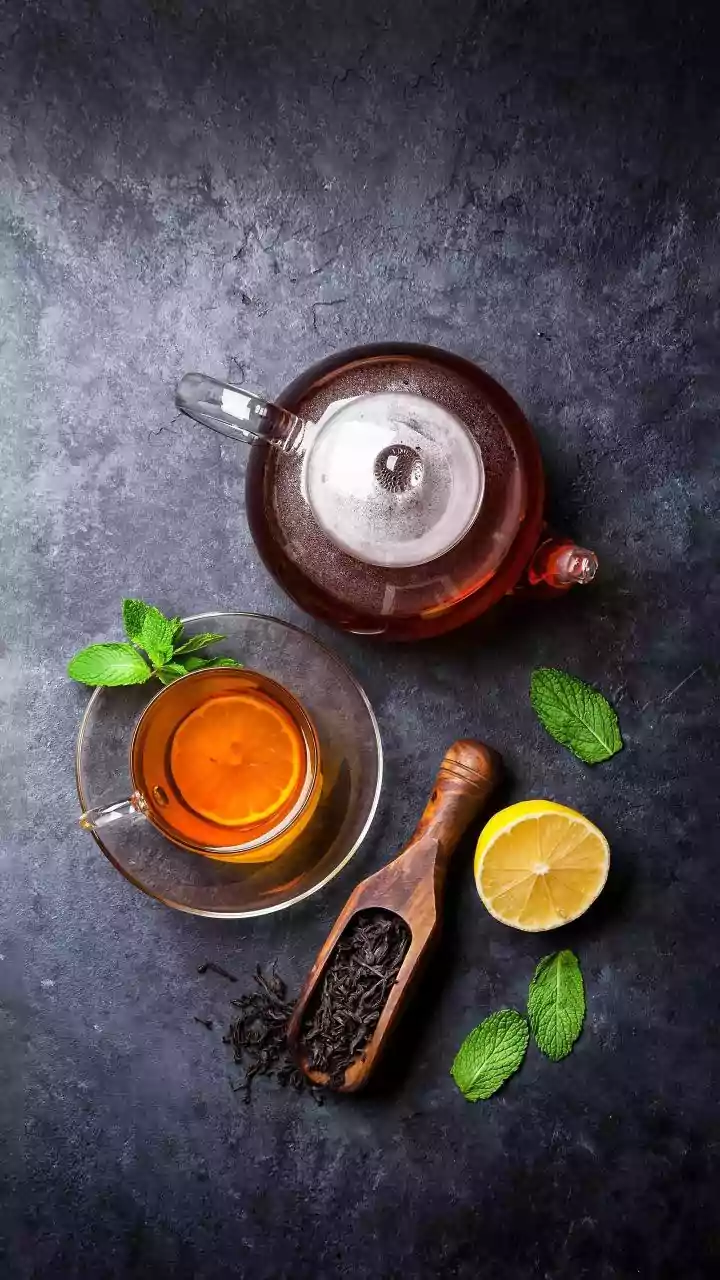
Once you have good leaves and the right water temperature, the next step is the brew itself. Give your loose leaves room to unfurl and release their flavour by using a teapot with an infuser or a dedicated infuser basket in your mug. This is far superior to cramped tea bags. Steeping time is also crucial. A typical guideline for black tea is 3-5 minutes, while green teas may need only 1-3 minutes. It’s worth tasting your tea as it steeps to find the strength you prefer. For a truly advanced technique, consider the Gong Fu Cha method, which involves using a higher ratio of tea to water for very short, multiple infusions, allowing you to taste how the tea's flavour evolves with each steep.
Choose the Right Vessel
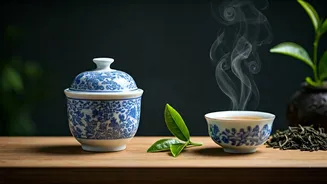
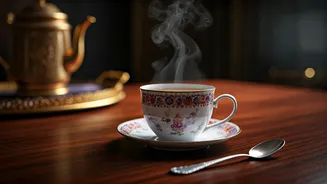
How you drink your tea matters. The experience of holding a beautifully crafted cup can enhance the ritual. Different materials can subtly influence the taste and temperature. A fine ceramic or porcelain cup is a classic choice that retains heat well. A glass cup or teapot allows you to appreciate the colour of the tea as it brews, adding a visual element to your break. Some enthusiasts prefer clay pots, especially for certain oolong and pu-erh teas, as the porous material can absorb and enrich the tea's character over time. Even having a designated special mug for your tea break can help mentally shift you into a more relaxed state.
Elevate Your Accompaniments
A premium tea break calls for snacks that complement, rather than overpower, your brew. Instead of grabbing the first packet of biscuits, consider a more thoughtful pairing. Bold black teas, like Assam, can stand up to rich flavours like dark chocolate or a classic scone with jam. The citrus notes in Earl Grey are wonderful with lemon-flavoured treats like shortbread or a slice of citrus tart. Delicate green teas pair best with milder foods; think light rice crackers or fresh fruits like pear and apple. For a savoury option, mild cheeses like brie or goat cheese can pair surprisingly well with green or white teas.
Create a Moment of Mindfulness
Ultimately, what makes a tea break feel premium is the act of turning it into a true ritual. It's about more than just a caffeine hit; it's a dedicated pause. Step away from your desk and your phone. Find a quiet spot where you can sit comfortably. Pay attention to the process: the aroma of the dry leaves, the sound of the water pouring, the warmth of the cup in your hands. This practice of mindfulness, of being fully present in the moment, is the final ingredient that transforms a simple cup of tea into a luxurious and restorative experience.