








The Allure of the Simple Rule
Diets like the carnivore or extreme ketogenic plans gained popularity for one main reason: simplicity. In a world of confusing nutritional advice, the idea of focusing on a single macronutrient—protein—was appealing. The rules were clear: eat meat, fish,
and eggs, and avoid everything else. For many, this offered a seemingly straightforward path to weight loss and improved body composition. The high satiety factor of protein meant people often felt fuller for longer, which helped in reducing overall calorie intake. Influencers and testimonials showcased dramatic results, further cementing the idea that more protein was always better. This 'protein craze' was built on the perception that it was a scientifically optimised way to achieve fitness goals quickly.
The Emerging Downsides of Restriction
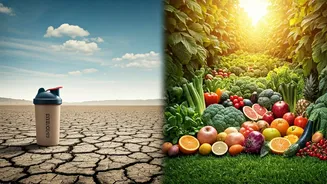
However, as these diets became more widespread, the nutritional drawbacks became harder to ignore. Eliminating entire food groups like carbohydrates means cutting out essential fibre, which is critical for digestive health and a balanced gut microbiome. This can lead to constipation, bloating, and other digestive issues. Furthermore, restrictive diets can lead to deficiencies in vital micronutrients, vitamins, and minerals that are abundant in fruits, vegetables, and whole grains. Long-term risks associated with very high intake of animal protein, particularly red and processed meats, include potential strain on the kidneys for those with pre-existing conditions and an increased risk of heart disease due to high saturated fat intake.
The Pivot to Macronutrient Balance
The conversation is now shifting away from demonising any single nutrient and moving towards a more holistic philosophy: balance. Nutrition experts are increasingly emphasising the importance of consuming all three macronutrients—protein, carbohydrates, and fats—in a healthy ratio. This balanced approach supports overall bodily functions, from providing energy to regulating hormones and absorbing vitamins. Instead of extreme restrictions, the focus is on the *quality* of food. This means choosing complex carbohydrates like whole grains and vegetables, lean proteins, and healthy fats from sources like nuts, seeds, and avocados. This method promotes steady energy levels, supports metabolism, and reduces the risk of chronic diseases—offering a more sustainable and enjoyable way to eat.
A More Sustainable Future for Nutrition
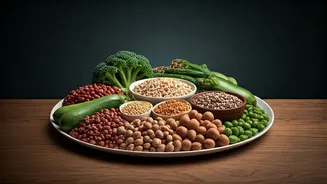
In India and globally, there's a growing understanding that long-term health isn't about quick fixes or fad diets. The new focus is on metabolic stability, hormonal balance, and digestive wellness. Trends show a move towards integrating protein more naturally into daily meals rather than relying on processed, high-protein snacks and powders. There's also a renewed appreciation for traditional, fibre-rich foods like millets and legumes. This shift suggests a more mature and personalised approach to nutrition. It’s less about following rigid, one-size-fits-all rules and more about creating sustainable habits that nourish the body, support steady energy, and contribute to overall well-being for years to come.