

A Campaign Riddled with Failure
The tournament was a brief and brutal affair for Team India. Placed in Group C, their journey to the main cup championship race was over before it truly began, after suffering comprehensive defeats in both their group matches against Pakistan and the United
Arab Emirates (UAE). This disastrous start saw them relegated to the lower-tier Bowl competition, a contest for the bottom-placed teams, a scenario few would have predicted for a squad filled with Indian Premier League stars. Their net run rate of -7.854 after the group stage told the story of their complete capitulation. The only solace came in a solitary victory against Bangladesh in the 11th-place playoff, a win that did little to mask the overall disappointment of the campaign.
The Humiliation Against Arch-Rivals
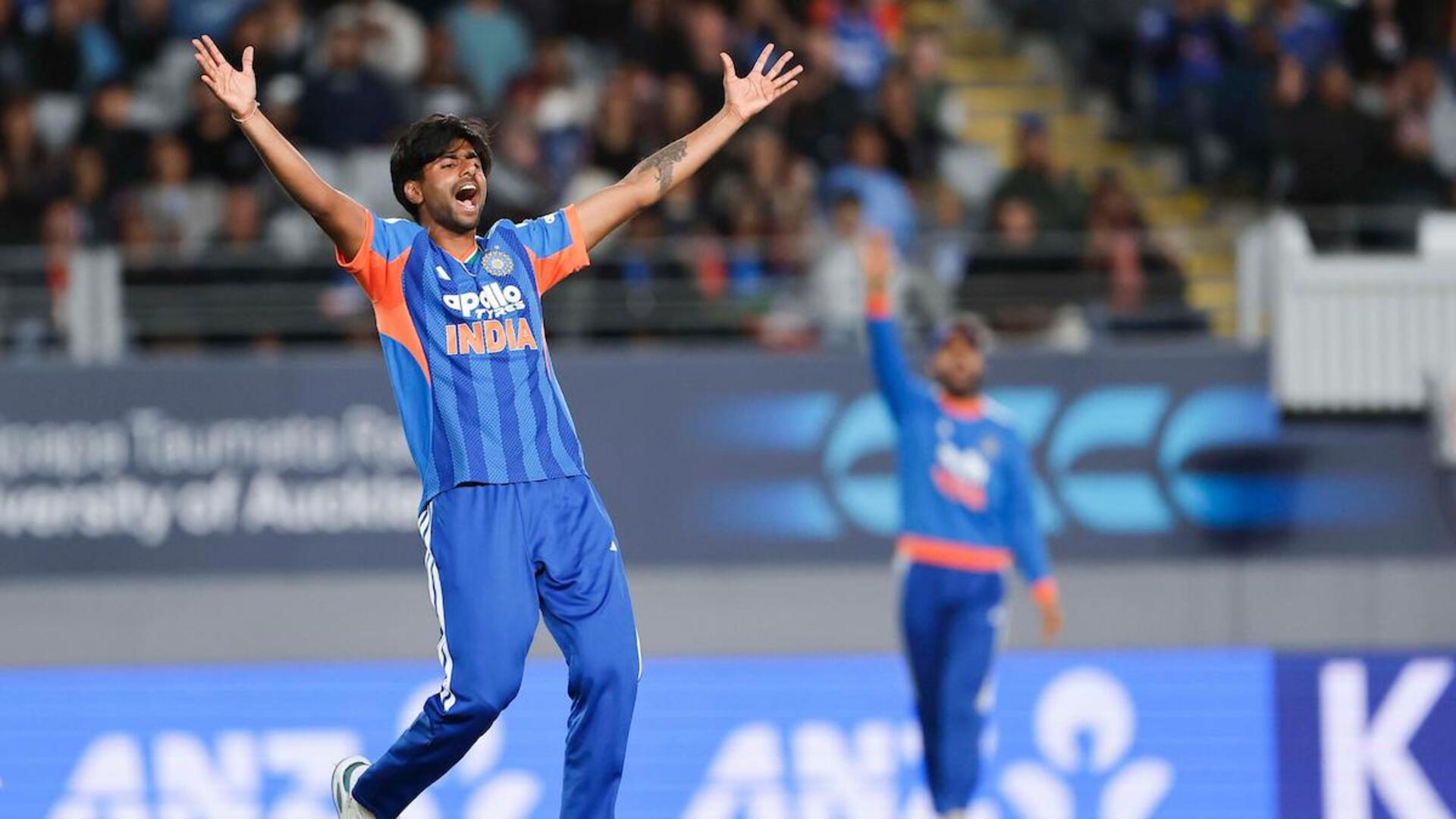
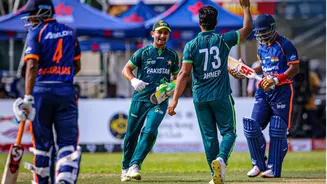
The much-anticipated clash against Pakistan turned into a nightmare. Batting first, India's star-studded lineup collapsed, managing a paltry 88 for five in their six overs, which was the lowest score of the day. Only Shashank Singh showed any resistance, while big names like Rahul Tripathi, Nitish Rana, and captain Krunal Pandya failed to fire. In response, Pakistan made a mockery of the target. Krunal Pandya's opening over was smashed for five sixes by Abbas Afridi, setting a blistering pace. Pakistan romped home by four wickets with 13 balls to spare, a thrashing that set a grim tone for the rest of India's tournament.
Compounding the Misery
If the loss to Pakistan was a shock, the defeat against the UAE was a confirmation of India's poor form. After posting a slightly better score of 94, the Indian bowlers had no answer to the UAE's onslaught. Openers Khalid Shah and Ansh Tandon chased down the target without losing a single wicket, winning by six wickets in just 4.2 overs. India's bowling appeared clueless and the fielding was subpar, highlighting a complete lack of strategy and intent for this fast-paced format. Even a semi-final in the Bowl competition resulted in a narrow 3-run loss to England, sealing India's fate near the bottom of the standings.
Questions Over Squad and Strategy
The squad, led by Krunal Pandya after Bhuvneshwar Kumar's late callup to the national team, was not short on talent. With proven IPL performers like Rahul Tewatia, Nitish Rana, and T. Natarajan, the team looked strong on paper. However, their onfield performance suggested a severe lack of preparation for the sixaside format. The batting was largely carried by Shashank Singh, who was the lone bright spot, scoring a blistering halfcentury in the playoff match and finishing as Indias secondhighest rungetter. The collective failure of the other established players raises serious questions about team selection and whether these players were the right fit for the unique demands of Sixes cricket.
A Minor Tournament or a Major WakeUp Call?
It is easy to dismiss the Hong Kong Sixes as a nonserious, festivalstyle tournament. It does not carry the weight of an ICC event or even the Asia Cup. However, the manner of the defeats and the listless performance from a team representing India cannot be ignored. For players on the fringes of the national team, this was a chance to make a statement, but most failed spectacularly. The performance serves as a stark reminder that talent alone is not enough without specific preparation and tactical planning for different formats. While the loss may not have longterm implications, it is a blow to national pride and a wakeup call that every tournament, big or small, requires a professional and committed approach.