




Tired of that mid-morning energy crash? The solution might not be another cup of coffee, but a simple tweak to your breakfast. Adding fibre-rich seeds can help stabilise blood sugar and provide the steady, lasting energy you need to power through.
How Fibre Fights Fatigue
Before
we get to the seeds, it helps to understand why fibre is so effective. Many breakfast foods are high in simple carbohydrates that cause a rapid spike in blood sugar, followed by a sharp crash that leaves you feeling drained. Plant-based fibre, particularly soluble fibre, works differently. It forms a gel-like substance in your digestive system, slowing down the absorption of sugar into the bloodstream. This process prevents dramatic blood sugar swings, leading to more consistent and sustained energy levels throughout the morning. By making you feel fuller for longer, a high-fibre start to the day also helps manage appetite and prevent the urge to reach for sugary snacks.
1. Chia Seeds (Sabja)
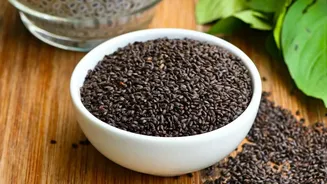
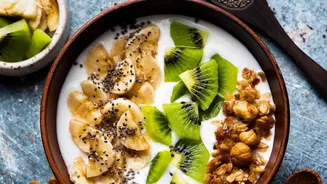
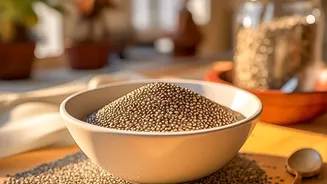
These tiny black seeds are a fibre superstar. Just two tablespoons contain nearly 10 grams of fibre, a significant portion of your daily needs. Most of this is soluble fibre, which is what makes chia seeds form a gel when mixed with liquid. This gel-forming action is key to slowing digestion and regulating blood sugar for steady energy release. Rich in protein and omega-3 fatty acids, chia seeds were historically used by Aztec warriors for endurance. How to use them: Stir a tablespoon into your morning oatmeal, yoghurt, or smoothie. For a ready-made breakfast, prepare chia pudding by soaking the seeds in milk or a plant-based alternative overnight.
2. Flax Seeds (Alsi)
Flax seeds, or 'Alsi', are another fibre powerhouse, celebrated for their combination of soluble and insoluble fibre. This duo not only supports digestive health but also works to moderate blood sugar levels, preventing energy dips. Flax seeds are one of the richest plant sources of alpha-linolenic acid (ALA), a type of omega-3 fatty acid known for its anti-inflammatory benefits. To unlock their full nutritional potential, it's best to consume them ground; otherwise, the whole seeds may pass through your system undigested. How to use them: Sprinkle ground flaxseed over cereal, blend it into smoothies, or mix it into the batter for dosas and chillas for a nutty flavour and a fibre boost.
3. Pumpkin Seeds (Kaddu Ke Beej)
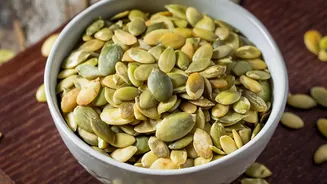
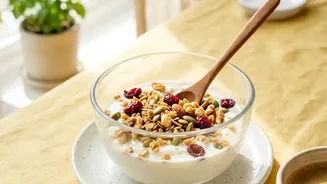
More than just a snack, pumpkin seeds are a nutritional treasure for energy. They offer a balanced mix of protein, healthy fats, and dietary fibre. This combination helps slow down digestion and promotes a feeling of fullness, contributing to stable energy. Pumpkin seeds are also an excellent source of magnesium and iron, two minerals that play a critical role in the body's energy production processes. Low levels of these minerals are often linked with fatigue, making pumpkin seeds an ideal food to keep your energy levels topped up. How to use them: Enjoy a small handful as a snack, or toast and sprinkle them over poha, upma, or salads for a satisfying crunch.
4. Sesame Seeds (Til)
A staple in Indian kitchens, sesame seeds ('Til') are a simple way to increase your fibre intake. They provide a good amount of both soluble and insoluble fibre, alongside plant-based protein and healthy fats. Sesame seeds are also rich in B vitamins, which are essential for converting food into usable energy. Additionally, they contain beneficial plant compounds called lignans, which have antioxidant properties and contribute to overall health. How to use them: Sprinkle toasted sesame seeds on salads or vegetable dishes. They are also a key ingredient in tahini, which can be used to make hummus, or traditionally in til ladoos for a nutrient-dense treat.
5. Sunflower Seeds (Surajmukhi Ke Beej)
Often found in trail mixes and health bars, sunflower seeds are valuable for sustained energy. They provide a good amount of dietary fibre, protein, and healthy fats, a combination that helps slow the release of sugar into the bloodstream. This supports more stable blood sugar and energy levels. Sunflower seeds are particularly rich in vitamin E, a powerful antioxidant, and selenium, which supports a healthy metabolism. They also contain B vitamins like pantothenic acid, which is vital for energy production from food. How to use them: Add a spoonful to your breakfast cereal, yoghurt, or simply eat them raw or roasted as a quick and filling snack.