


The Familiar Story of Holiday Burnout
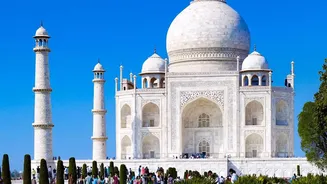
For many Indian travellers, the words 'peak season' bring to mind a specific kind of organised chaos. Think of long queues snaking outside popular monuments, jam-packed hill stations where every hotel is sold out, and the constant pressure to move on to the next
destination on a jam-packed itinerary. The period from October to March, and especially around major festivals like Diwali or New Year's, sees a massive surge in domestic travel. While the weather is pleasant, the experience can be overwhelming, with high prices, crowded airports, and the feeling that you’re competing with everyone else for the same experience. This often leads to a common complaint: returning home feeling more exhausted and stressed than when you left. The holiday becomes a checklist of places seen rather than a genuine break for mental and physical restoration.
Introducing Slow Travel: More Than a Trend
In response to this travel-induced stress, a different philosophy is gaining ground: slow travel. This approach isn't about being lazy or missing out; it’s about being intentional. Emerging from the 'slow food' movement in Italy, slow travel prioritises depth over breadth. Instead of racing through five cities in five days, it encourages travellers to spend more time in fewer places, fostering a meaningful connection with the local culture, people, and environment. It’s a conscious decision to swap the frantic highlight reel for a more immersive and authentic experience. Recent trends show Indian travellers are increasingly seeking these kinds of holistic and experience-driven trips, prioritising personal interests and wellbeing over just ticking destinations off a list.
The Psychological Perks of a Slower Pace
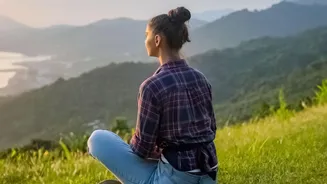
The benefits of slowing down are not just anecdotal; they are psychological. Traditional, fast-paced tourism can keep our nervous systems in a state of high alert, similar to the stress of our daily work lives. Constantly navigating new places, sticking to tight schedules, and dealing with crowds can keep stress hormones like cortisol elevated. Slow travel acts as a powerful antidote. By reducing decision fatigue and removing the pressure to constantly be 'doing' something, it allows the nervous system to genuinely recover. This can lead to improved sleep, reduced anxiety, and a state of mindfulness that allows you to be fully present and savour your surroundings. It provides the mental space for reflection and restoration, something a rushed itinerary rarely allows.
Connecting with India on a Deeper Level
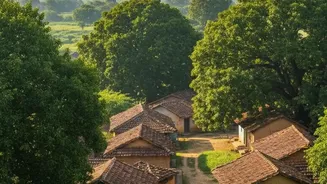
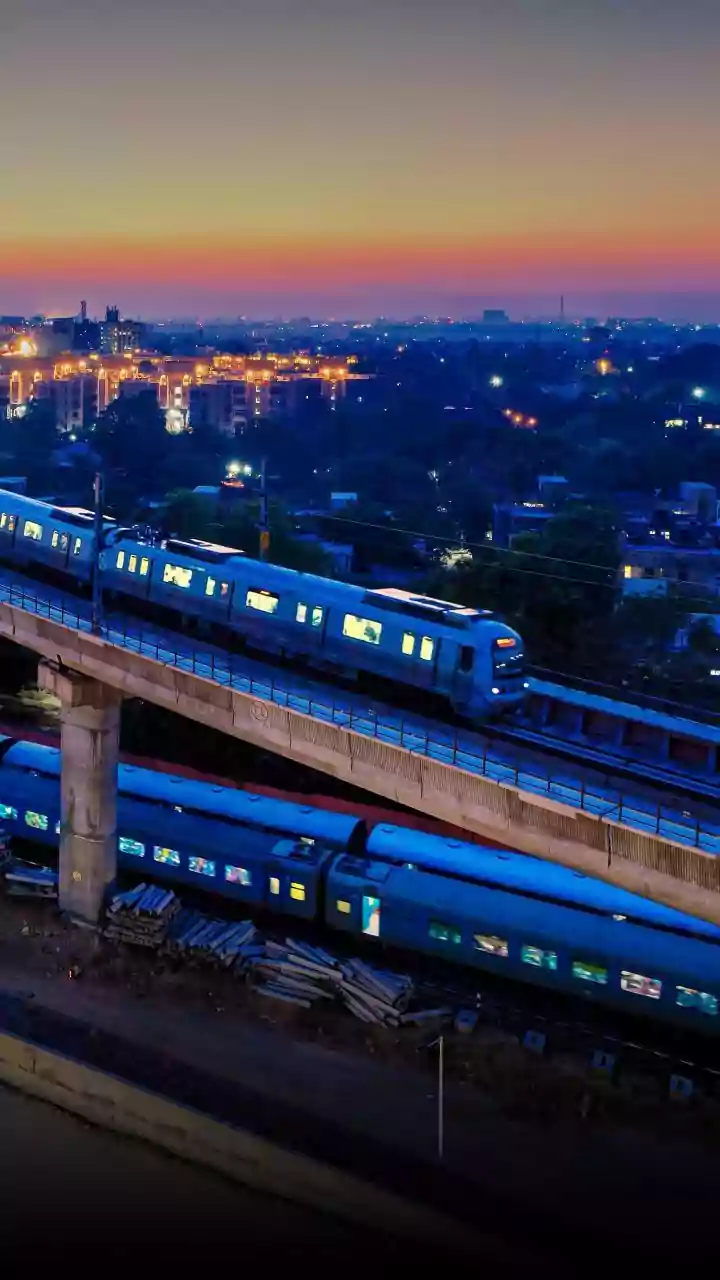
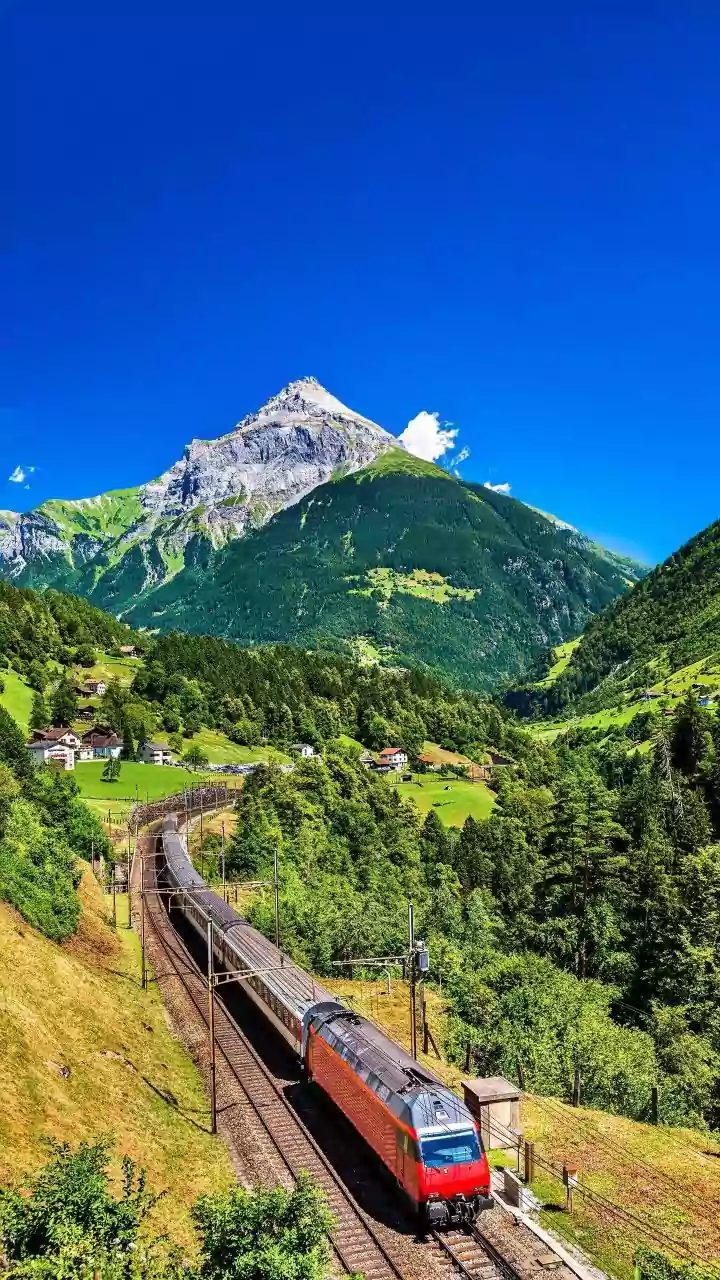
For a country as diverse as India, a slow approach unlocks experiences that a quick tour simply cannot offer. Instead of just visiting a major fort, you might spend an afternoon wandering through the nearby village, discovering local crafts and stories. Rather than rushing between cafes, you could become a regular at one, getting to know the owner and observing daily life. This might mean choosing a homestay in Kerala's backwaters over a large hotel, allowing for home-cooked meals and genuine conversations. It could involve taking a train journey to soak in the changing landscapes or dedicating a week to learning a local art form. This approach fosters a greater appreciation for the destination while also supporting local economies and artisans directly.
Practical Tips for Your First Slow Trip
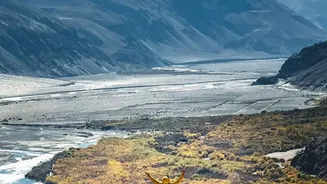
Adopting a slower pace doesn't require a complete overhaul of your travel style, just a shift in mindset. Start by choosing one region or even a single city instead of multiple. Leave some days completely unscheduled, allowing for spontaneity. Consider travelling during the 'shoulder season'—like October or February—which offers a good balance of pleasant weather and fewer crowds. Opt for offbeat destinations that are just as beautiful but less commercialised. Instead of a packed sightseeing list, pick one or two key experiences and give yourself ample time to enjoy them. The goal is to return with lasting memories and a sense of rejuvenation, not just a camera full of photos and a feeling of exhaustion.